A Boy With Autism Is Increasing Autism Awareness One Necklace At A Time

Drew Elliott - Age 8

Drew Elliott (from Drew Elliott & Friends FB page)

Earlier in the month I wrote about the challenges children with disabilities have in making friends.  Sadly, I look back over Ryan’s school years and remember that in those 12 years he was invited to two birthday parties of his classmates.  For that reason I was truly inspired when I read about the eight-year-old boy with autism in Boise, Idaho, who began a movement with a friendship necklace.

The story began when Drew Elliott told his mom that he asked a bunch of his classmates to wear the other half of his BFF necklace.  No one was willing.  Fortunately, his conversation with his mom was overheard by a group of construction workers and they told Drew they wanted to wear one.  However there was a catch.  The construction workers would only wear a necklace if Drew made them himself.  The word spread via social media and soon there were hundreds of people requesting necklaces.  With over 2,600 likes, Drew’s mom said, “He truly feels that he has friends everywhere, instead of acquaintances.”

Drew Elliott - Fan Club

Drew Elliott Fan Club (photo from Drew Elliott & Friends FB page)

What can you do?

  • Like his Facebook page Drew Elliott and Friends
  • Contact Drew for your necklace and make a donation
  • Host your own Friendship Necklace party

Most importantly reach out to a child with autism and let him/her know that you are a friend.   Please read my earlier post to get ideas on how to encourage friendship between typically developing children and children with special needs.

Posted in Uncategorized | Tagged , , , , , , , , , , , , | Leave a comment

Love Your Pet Day – A Day of Celebration

Did you have a pet growing up?  My famikerryblue011ly had Doodles, a spirited Kerry Blue Terrier who we all adored.  Doodles was very gentle, loyal and affectionate.  He would even allow little children to ride him like a horse.  I remember my special bond with him and that he was an excellent secret keeper.  Each of us had Doodle responsibilities, whether it be taking him out for a walk, feeding him or picking up after him.

child and catThere are many benefits to having a pet if you have a child with special needs.  A pet can provide comfort to a child who is anxious by generating a calming effect that reduces stress.  Your child can acquire a sense of self satisfaction by learning how to care for his pet and having his pet depend on him/her.  There are numerous social advantages as well.  Taking your dog for a walk in your neighborhood or on the beach is the perfect way to practice greeting skills.  Everyone loves a beautiful dog.

Certainly there are considerations.  A pet requires work, many responsibilities and expenses.  You need to consider your lifestyle as well as the demands of your child.  Ryan has not had a pet because I recognized my limitations due to my work 2.14.14 Valentine's Day Cardschedule, his schedule and other challenges.

If your family is ready for a pet there are many resources that can guide you in the right direction.

Jessie & Eliz

Jessie bonding with Eliz, a student at ELBS.

“Animals offer all children the chance to connect to another living being,” says Adrian Sandler, M.D., head of the American Academy of Pediatrics’ Committee on Children with Disabilities.

Here are some touching videos of pets loving their humans and vice versa.
A Heartwarming Story about a Boy and His Dog
Jessie – A Service Dog at our School
A Soldier and His Dog

Please share some of your favorite stories of you and your pet and celebrate Love Your Pet day with us.

Posted in Uncategorized | Tagged , , , , , , , , , , , , , , , , , , , , , | Leave a comment

As I read that February ispediatric-dentist-denver National Children’s Dental Health Month, my thoughts turned back to Ryan’s first visit with the dentist.  I definitely approached it with anxiety, if not trepidation.  At 3, Ryan frequently had temper tantrums. The thought of introducing a new person, new location and a new procedure was troublesome.  However, Erie has a pediatric dentist who specialized in working with children with special needs.  As soon as I found that out, I was quick to schedule an initial introductory appointment.

?????????????????????Our first visit was “getting to know you” for both Ryan and the dentist.  He was able to experience the routine of the office visit, have a cursory look at his mouth, receive his stickers for reinforcement and be off.  On subsequent visits, the dentist or hygienist would explain what they were going to do, show him their tools and allow him to hold them and then complete the procedure.  There was always lots of praise and the opportunity to play on a Game Boy upon completion.

As he grew older, his tolerance increased and for the most part our problems were minimal.  However, I’ll never forget the visit that as our dentist was counting his teeth, Ryan bit his finger.  I was mortified.  As soon as we went home Ryan wrote a letter of apology to the dentist and asked if he could please come back.  And he promised to never bite him again.

I share this personal story because I think many parents struggle with visits to the dentist.  Fortunately, today there are many resources that I did not have 17 years ago.  Autism Speaks has a dental guide.  There is even a My Healthy Smile app for iPhone and iPad.

Ryan's Graduation Picture 2013
Ryan’s beautiful smile

As you plan your visit I would suggest that you consider:

  • What time of the day is your child at his/her best?
  • What time of the day is the least active in the dentist office?
  • Who can accompany you as a support?
  • How familiar is the dentist with the specific disability of your child?
  • What do you want the dentist to know about your child?

I’ve also summarized a number of articles that may assist a parent with their child’s dental health.  Oral health is essential for daily healthy living for children and adults.  It’s never too early or too late to start.

Posted on by all about autism | Leave a comment

Happy Valentine’s Day

Fun Facts about Valentine’s Day

Did you know …

IMG_1672
ELBS students at the 2014 Valentine’s Day Dance
  • The oldest surviving love poem was written on a clay tablet from the times of the Sumerians around 3500 BC.
  • Not much is known about St. Valentine, but there was more than one.
  • One of the St. Valentine’s was sentenced to death around 270 AD because he performed marriages in secret when Roman emperor Claudius II banned marriage for young Roman men. Why was marriage banned? Because Claudius II thought young single men made better soldiers.
  • It was during the 1300s that Valentine’s Day became associated with love and romance.
  • During Medieval times, girls would eat unusual food on Valentine’s Day to make them dream about their future husband.
  • Wearing your heart on your sleeve is more than a phrase.  In the Middle Ages, young
    IMG_1777
    Fun at the Valentine’s Day Dance

    men and women drew names to see who their Valentine would be.  They would wear the name pinned to their sleeve for one week so that everyone would know their supposed true feelings.

  • The oldest know Valentine’s Day card is on display at the British Museum in London.  It dates back to the 1400s.
  • The first box of chocolates for Valentine’s Day was made by Richard Cadbury in the late 1800s.
  • Money can buy love.  Americans spend more than $20 billion on Valentine’s Day.

Happy Valentine’s Day!

Posted in Uncategorized | Tagged , , , , , , , , , | 1 Comment

Calling All Friends – It’s Make A Friend Day!

“It’s hard to make friends when you’re different,” says AJ Starr.

As we acknowledge today as “Make A Friend Day” I sadly report that too few children with disabilities have friends.  However, we know that typical children who regularly interact with children with special needs are more positive, empathic and even less fearful.

My vision over 30 years ago when I began BNI Happy Hearts Inclusive Preschool was to provide our students with special needs an opportunity to interact and model their typical peer.  Many, many parents tell me that years later their typical child has a deeper understanding of the importance and value of diversity because they attended Happy Hearts preschool.

My nephew, Joe Pinto, serves as an example of the impact of friendships between typically developing children and children with special needs.  Joe, currently a junior in high school, attended Happy Hearts preschool.  Always an advocate for persons with disabilities, Joe founded a Best Buddies chapter at McDowell High School.   Through Best Buddies, the students learn about leadership, community service, and most importantly, they become advocates for their new friend to be afforded equal opportunity in the school culture.

6844I asked my son Ryan last night what he liked about having friends.  He said, “Friends are so exciting.  They do fun things with me.  Friends make me feel happy, help me a lot and care a lot for me.”  He quickly made a list of his friends.   “Mark (his mobile therapist) calms me down, helps me with anger.  Andrew helps me exercise and ski better.  Bryant is lots of fun to be with and goes to action movies with me.  Ryan F. plays Wii with me.”  I asked Bryant what he found rewarding about being Ryan’s friend.  “You can laugh with each other, share interests and have fun doing things together,” he said.  “I’ve learned a lot from Ryan and we have both grown through our friendship.”

What can you do to encourage friendships between typically developing children and children with special needs?PreK PJ day 2013

  • Reach out to parents with children with special needs and encourage a playdate.  Make a genuine connection.
  • Volunteer with service organizations who support children and adults with disabilities
  • Be a mentor to a Special Olympic athlete
  • Welcome persons with disabilities to worship at your church or synagogue

All of us want to have friends.  Friends boost self-esteem, reduce stress, offer emotional and social support, and provide a safe ground to explore new areas.   As Henry Ford aptly commented, “My best friend is the one who brings the best out of me.” 

You too can follow AJ’s lead and make a friend today.  Please share ways that you have been successful in fostering friendships.

Posted in Uncategorized | Tagged , , , , , , , , , , , , , , | Leave a comment

Why Reading To Your Child So Important

Ryan reading with Aunt Kathryn

Ryan reading with his Aunt Kathryn

Do you think reading is fun?  I do!  Growing up I was not the athlete, but I definitely was the reader.  Whenever I had the opportunity you would see me sitting in an overstuffed chair reading a book.

One of my dreams for Ryan was that he would enjoy reading as well.   When Ryan was a newborn I read “How Much Do I Love You” to him at least once a day.  From there we moved on to the classics, “Is Your Momma A Llama” and “Goodnight Moon,” to name a few.

Twenty years ago we did not have the research that we have today that tells us reading is 7300516238_bcfa7a6ae61the single most important thing that a parent can do to help their child acquire language and prepare their child for school.  In fact, today we know that reading with your child should start at birth.  When a child is born the brain is not completely developed and will continue to develop over the first year of life.  Reading to an infant helps create brain pathways and lays the groundwork for language development.

When we read to a child, he/she is not only being exposed to words on a page, but is also learning critical language and enunciation skills.   As a child listens to someone reading, there is increased activity in the language output center in his/her brain as they are trying to store the spoken words into their memory.  Reading aloud builds the language skills that are essential for later success in learning to read.

A father reading to his childrenReading also strengthens the bond between parent and child.  When the parent is excited to read, the child is excited to listen and research shows that reading to a child makes learning and achieving in school easier.

So, how do you incorporate reading into your busy schedule?  Today it is easier than ever with technology.  Books are available with the touch of a button.  Libraries rent eBooks, iPads have apps that make reading fun and researchers are creating wearable and interactive books.

Below are some examples of different apps and reading activities that you can do with your banner-mother-child-smallerchild.

  • iPad apps: 7 Little Words for Kids, Word Puzzles, Rhyming Words, Comics Head, Poetry Magnets
  • Get Blogging: this is a great way to stay connected with family and friends.  Have your child write, proof read, pick out pictures to use, etc.
  • Create a Family and Friends Newspaper:  look at a newspaper and online newspapers to get ideas and then have your child create his/her own newspaper article (iWork app)
  • Talk with Teachers, Family and Friends: set up reading groups, book clubs.  Share books, apps and creative ideas.
  • Celebrate Library Lovers Month: February is Library Lovers Month and many libraries are celebrating with a variety of activities.

I encourage you to find different books and reading activities to do with your child.  I would also love to hear how you incorporate reading into your daily life and any suggestions you have to help other busy parents.

Posted in Uncategorized | Tagged , , , , , , , , , , , , , , , , | Leave a comment
SONY DSC

Jude Shingle, Artist in Residence, working with an ELBS student.

Do you know what today is?  It’s the third annual Digital Learning Day!  So get out your iPads, mobile devices and laptops and get ready to celebrate.

Digital Learning Day (DL Day) is a nationwide celebration of innovative teachers and effective applications of digital learning in America’s schools.

Teacher & Student

Student using the TAP-IT Interactive White Board

It provides us with the opportunity to showcase how digital learning can improve student outcomes and support educators.

Sponsored by the Alliance for Excellent Education, DLDay is a day for us to focus on the importance of digital learning and the need to systematically address technology planning in our schools.

What are we are doing to celebrate the day?

Here are some fun ideas to celebrate DLDay in your own school or home.

  • Watch the Digital Town Hall Live Simulcast

    Teacher, Student & iPad

    Incorporating iPad technology in the classroom.

  • Check out the live chats that are occurring throughout the day
  • Follow the action on Twitter #DLDay and Facebook
  • Use social media to share your experiences

Now that you know about #DLDay what will you do to promote the day?  Please share your ideas with me and I will forward them on to others.

Posted on by all about autism | Leave a comment

Video Games – Good, Bad or Both?

boy and a girl playing video gameToday I hope to summarize some of the good and bad effects of video games according to the latest in research.

Yes, video games can be highly rewarding, stimulating and motivating activities.  We know that video games change our brains in the same way that learning to read or ride a bicycle does.  Similar to exercise, gaming releases the mood regulating chemicals dopamine and glutamate in the brain.  A concern is that over time this release will require an increased amount of gaming in order for the child to receive the same rewarding effects.  It is for these reasons that the American Medical Association has speculated that 15% of teens and adults may be addicted to video gaming.

Video GamesIn a recent study of game usage of 141 boys between the ages 8 – 18, (56 boys with autism, 44 with ADHD, 41 typically developing) researchers found that boys with autism played video games about twice as long as their typical peers (2.1 vs 1.2 hours/day).   In addition, the study found that problems with inattention were strongly associated with problematic game use in children with ASD and ADHD.

An additional study of 160 boys with ASD between the ages of 8 – 18 found that access to a video game system was associated with greater oppositional behavior in homes where parents reported no rules on the child’s video game use.

I was also very concerned to read that there is considerable evidence that violent video games cause increases in aggression when the gamer has a predisposition to volatile behavior while others are seemingly unaffected.

There certainly are positive effects of video games.  These include:family-playing-video-game-console

  • Problem Solving and Logic
  • Executive Functioning Skills (planning, doing and evaluating)
  • Developing reading and math skills
  • Teamwork
  • Simulation, real world skills
  • Increase in self confidence and self-esteem as he / she masters games.

Some suggestions to help your child play responsibly can include:

  • Give your child a variety of entertaining things to do (books, sports, social events)
  • Limit the amount of time your child plays video games
  • Monitor how the video games affect your child

How to choose the right video game for your child:

  • Check the Ratings of the game before allowing your child to play it
  • Recognize your child’s maturity level and then determine which game is suitable for him/her
  • Choose a game that requires strategy and decision making skills
  • Look for games involving multiple players to encourage group play / social skills

When played responsibly video games can support children with ASD.  We simply need to monitor their use and maximize the benefits as we minimize the potential risks.

Posted in Uncategorized | Tagged , , , , , , , , , , , , , | 4 Comments

child tired and cryingWhat can I do to help my child go to sleep at night?  How can I help my child sleep through the night?

These are two questions I’ve asked on numerous occasions and are two of the most common questions of parents with children on the autism spectrum.  Sleep problems are reported to be as high as 80% in children with ASD.   We know that sleep related disturbances are an important issue for children with ASD because they can increase and worsen repetitive and stereotypic behaviors, inattention and hyperactivity, and can interfere with learning.  It’s also challenging for mom or dad to be up throughout the night and still have to go to work the next day.

Looking back, I remember too well the period when I slept outside Ryan’s bedroom on the floor because he was waking up numerous times during the night and walking through the house.  Fortunately for me, that challenge eventually passed and today he sleeps through the night.

I recently read some new research looking at the role of in-bedroom video game usage and losingits potential in contributing to sleep disorders.  A study of 141 boys between the ages of 8 – 18 looked at children’s video game usage.  The researchers found that boys with autism played video games about twice as long as boys with typical development (2.1 vs 1.2 hours respectively).

In another study looking at media use and sleep among boys with ASD, boys with in-room access to video games (i.e. access to a computer or dedicated game system) spent less time sleeping per night than boys without an in-room system.  Additionally, the amount of time spent playing video games per day was negatively associated with the number of hours sleeping per night.  Since we know that children with ASD have more difficulty disengaging from screen based media, it could be that the media is contributing to bed time resistance and delayed sleep onset.  It’s also been suggested that the brightly lit screen might disrupt melatonin production, which could affect sleep quality with children with ASD because they are already at risk for low melatonin concentrations.

sleep-photoSo, what should we as parents do? I would suggest that we limit the amount of time that our children have to play video games during the evening.  Take some data and look at sleep patterns based upon the amount of time your child has access to video games.  Talk to your physician if you’re finding that your child is sleeping less and you cannot determine why.

There are a number of resources available in helping you establish positive sleep patterns for your child.  Two I found especially helpful are: Establishing Positive Sleep Patterns For Children On The Autism Spectrum and Sleep from Autism Speaks.

If you have any special tips to share with our readers, I would love to hear them.  Please share below.

On Thursday, I am going to discuss video game use and problematic behaviors in boys on the autism spectrum.  Tune in then.

Posted on by all about autism | 9 Comments

child_learn“Education is the most powerful weapon which you can use to change the world” ~ Nelson Mandela.
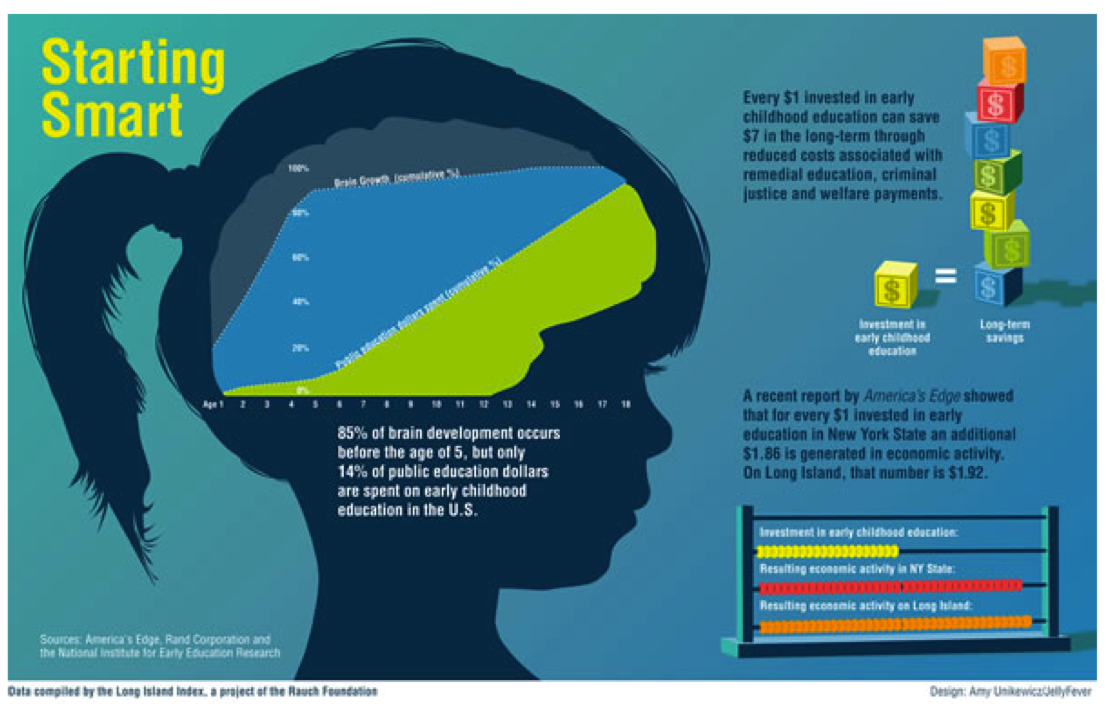
Did you know that at risk children who don’t receive a quality early education are:

  • 25% more likely to drop out of school
  • 40% more likely to become a teen parent
  • 50% more likely to be placed in special education
  • 60% less likely to go to college
  • 70% more likely to be arrested for a violent crime

So what are we doing about this?  Municipalities are increasingly seizing the momentum on early education.  In many cases, cities around the country are offering programs that are available to more students than state funding would allow.

The latest initiative is New York Mayor Bill de Blasio’s plan to create a universal preschool program for the city’s four-year-olds through a tax on the city’s highest earners.  The next step would be whether Albany lawmakers grant the Mayor the authority to increase taxes on the approximately 40,000 city residents who earn more than $500,000 a year.

Early-EdCertainly most cities would not have the tax base to allow this; however, research has demonstrated that quality early learning programs have positive effects that extend beyond the first years of school, well into adulthood, and benefit society as a whole.  For every $1 spent on early childhood programs for at risk children, society sees a savings of $7.

I encourage each of you to contact your legislators and tell them about the importance of early childhood education programs to our community, state and society.   It’s not too late to start paying it forward for the young children in our communities.   Below are some additional links on how communities and businesses are advocating for early education programming.

PNC Grow Up Great
Sesame Street
HighScope Perry Preschool

Posted on by all about autism | 5 Comments