
The latest report released by the 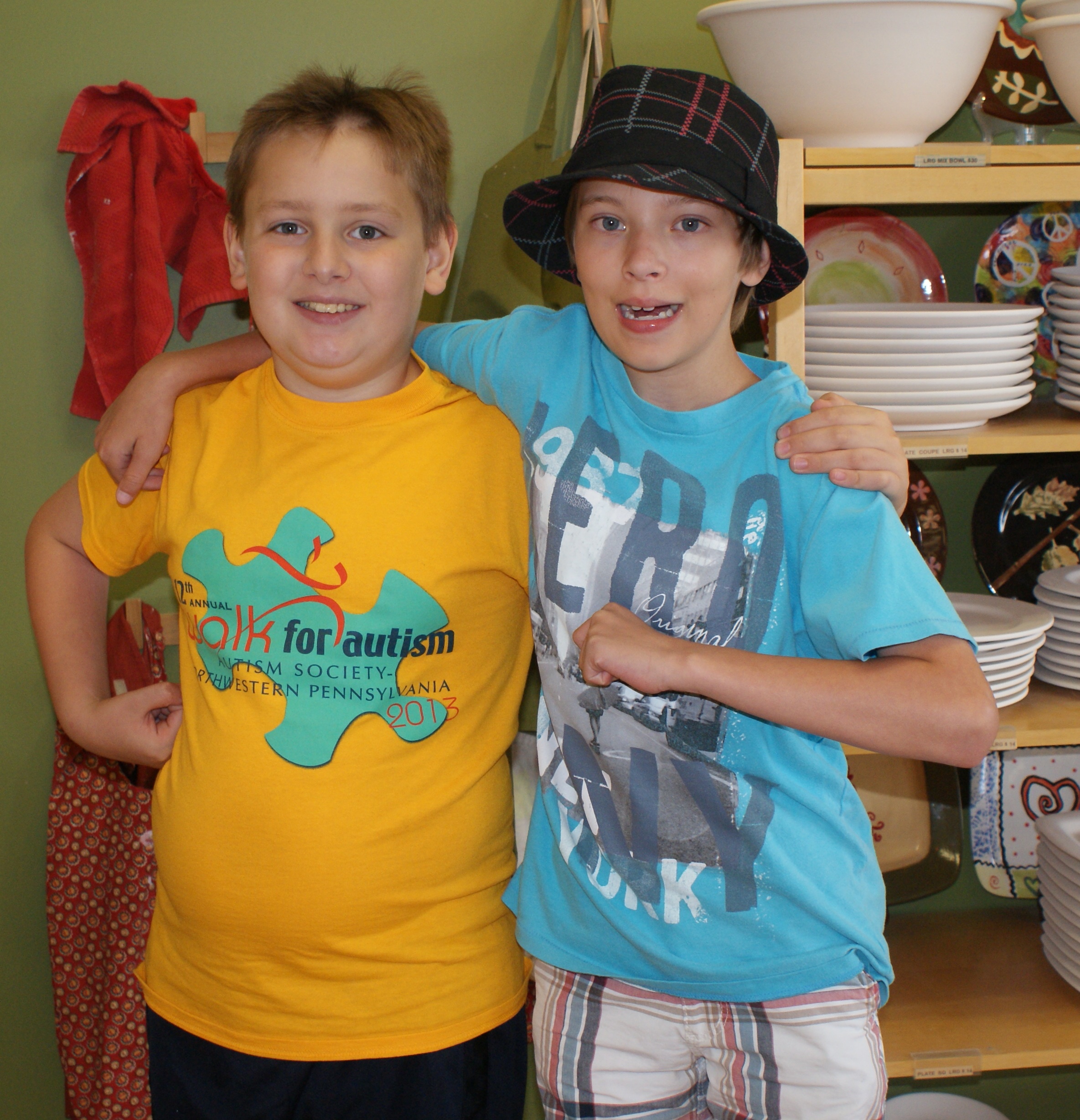 CDC indicating one in 68 8-year- olds has Autism Spectrum Disorder (ASD) has everyone talking. This 30% increase since 2012 tells me that every elementary classroom probably has one child on the spectrum. Looking back to Ryan’s preschool and elementary years in the mid-1990s this certainly was not the case. Yes, there were children with ASD and significant cognitive challenges in public schools, but typically they were in special education classrooms. Today, most children are included in regular education.
Even with a growing number of children with autism in our schools, I hear from many  parents who are concerned that their child has few friends. This is an issue that Ryan and I experienced throughout his educational career. Children with ASD face many challenges including isolation from their peers. Having friends to help them through difficult times can boost their self-esteem, enhance their social skills and protect against bullying.
As this is Autism Awareness Month I wanted to share my thoughts on how to be a friend to someone with autism.
- Take the initiative, find common interests, be patient. Friendship doesn’t happen overnight but will develop over a series of
 interactions.
 - Keep the first few interactions short as meeting with other people may cause stress and anxiety.
- Talk at an even pace and volume. Allow your friend time to process your comments and form a response.
- Eye contact is not needed to engage in conversation.
- Ignore repetitive behaviors unless they are inappropriate for the situation. If that is the case, just tell him/her what the right
 thing is to do because he/she may not know that.
 - Celebrate your friend’s successes while accepting his/her differences.
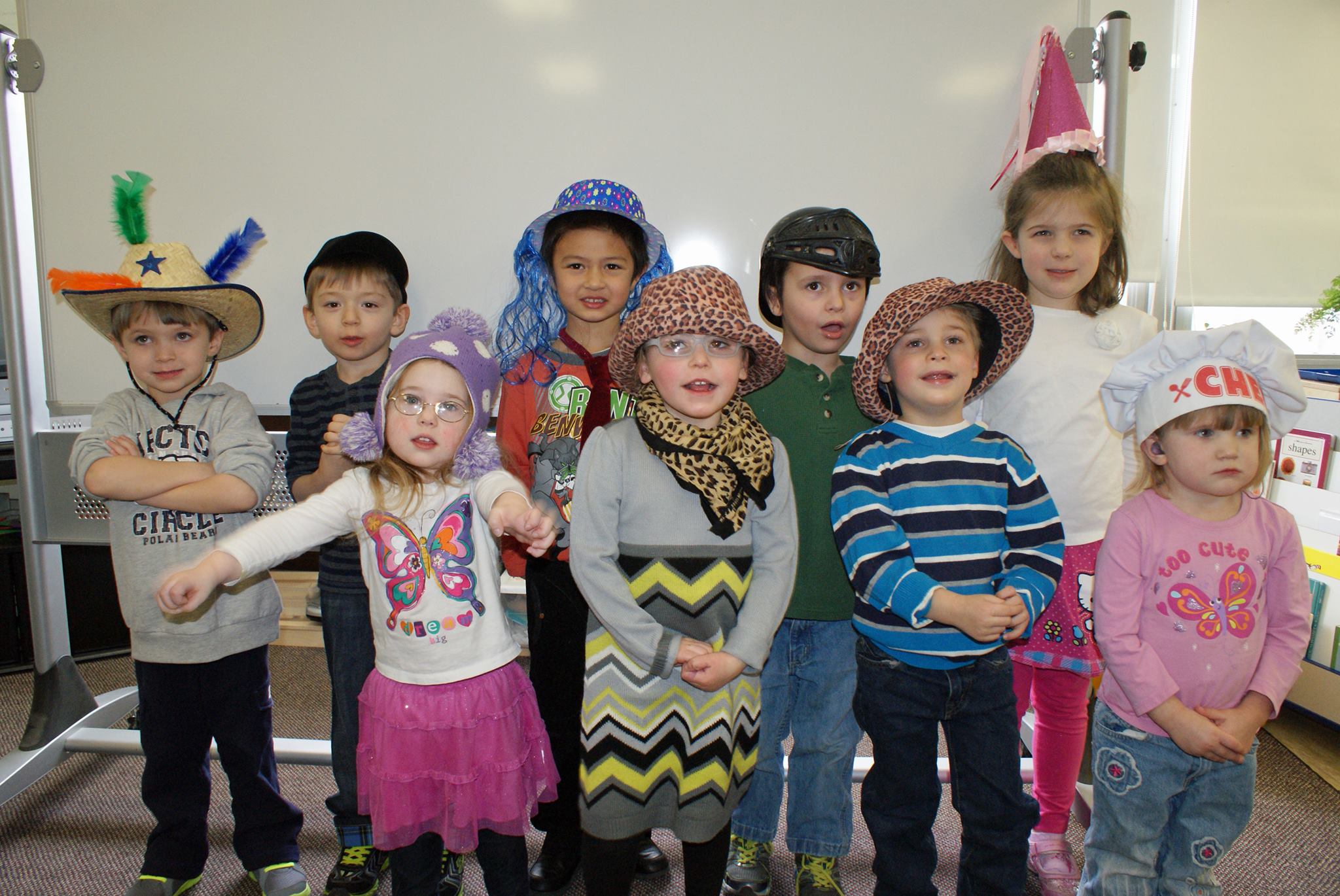

As a parent I encourage you to:
- Create a culture of acceptance within your family
- Encourage your child to play with children who are different than he/she (culturally, differently abled)
- Be proactive and initiate a playdate with a child with ASD.
- Help a child with ASD by including him/her or simply hanging out one-on-one watching how you interact with people will help the child learn the rules for friendship and make it easier to develop friendships with others.
As we continue to celebrate Autism Awareness Month let’s establish a goal of creating and nurturing new friendships with people with ASD.

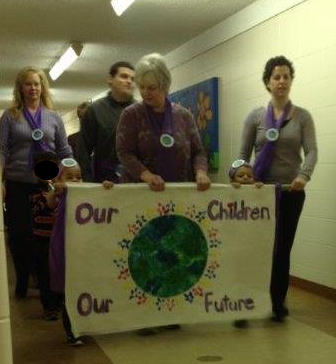




 What are you going to do to shine a light on autism? Each April 2nd we celebrate
  Last year more than 8,400 buildings and landmarks on all 7 continents illuminated bright blue on the evening of April 2nd. Locally the Bicentennial Tower and Mercyhurst University went blue. As I drove throughout our community it was amazing the number of families who changed their
  You can register your participation with Light It Up Blue (link) and


 I was startled to read the
 Given these latest statistics, I am even more grateful that
  11,821 visitors from over 113 countries. Some of the topics that I have written on include:
  Today I had a fascinating opportunity to Skype with Dr. Karen Guldberg, director of University of Birmingham –
  many of the same challenges as we do. They too have experienced the tsunami of adolescents with autism becoming adults. Interestingly, new laws will go in effect next year which will expand services for persons with autism from birth to twenty five years of age. They also hope to integrate the departments of Education, Care and Health to better meet the needs of persons with autism. We in Pennsylvania often decry the fact that our departments of Education, Welfare and Health are silos which never communicate.
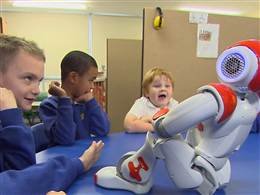 Dr. Guldberg is very interested in bridging the research and practice communities so that all children can benefit from this knowledge. Technology enables us to break down geographic boundaries with Dr. Karen Guldberg (link to her site). We will continue to share our research practices and knowledge via email and Skype.


 All About Autism