
 Hard to believe it’s July 4th and summer feels like it’s halfway over! Growing up, I loved seeing the fireworks! Our family would take blankets and refreshments to sit on the golf course, OOHing and AAHing as they went off. Ryan was three when I took him to the fireworks for the first time. I thought for sure he would enjoy the variety of colors and lights high in the sky. However, he immediately started screaming and asking to leave. Of course, we did, and that was the one and only time that we watched the fireworks from outside.
Every child reacts to fireworks differently, but here are a few tips I’ve learned over the years that may help you:
- Prior to the fireworks, watch some videos from YouTube on the computer so that he/she knows what to expect.
- Consider watching the fireworks from indoors. You can still enjoy the lights in the sky without the booming noises.
- Have headphone available, in case the sound – even inside – is too much for your child.
- Celebrate the 4th by making your own fireworks with these fun craft ideas:
- Painting Fireworks: http://www.learning4kids.net/2015/12/27/painting-fireworks/
- Fireworks Salt Painting: http://busymommymedia.com/firework-salt-painting/
- Popsicle USA Flag: http://www.makeandtakes.com/popsicle-stick-button-flag-kid-craft
- Teach your child the true meaning of the 4th of July with these great illustrated books on America’s birthday: http://kidsactivitiesblog.com/30010/best-books
Be safe and have a fabulous holiday weekend!

 New Findings on Probiotics & Autism
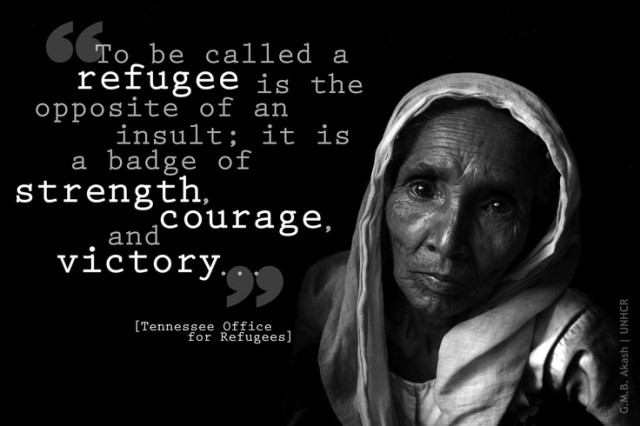
 As I listened to CNBC this morning and learned that today, June 20th, is World Refugee Day, I thought about the number of children we have in our school who are former refugees. One little girl in particular, Angela, is a remarkable story of courage and resilience. Her mother fled her native country because her daughter was unable to get the care and the education and support that she needed. She spent two years in a refugee camp prior to being relocated to Erie. Within two weeks, she was enrolled in our school, began receiving therapies, and soon had a wheelchair. Almost a full school year later, she uses a walker throughout our halls, speaks fluent English, and is preparing to move on to public school. As I look at Angela, I only wish that all refugee children with disabilities could have as a bright a future as she!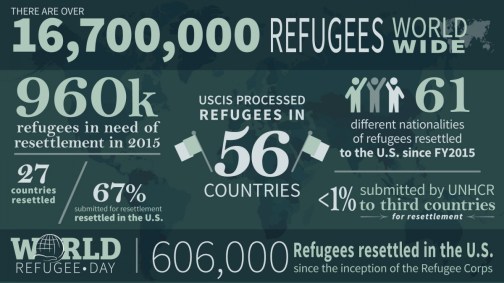
 I wanted to read the definitions of these words so that I could be reminded of their meaning. I was initially put off by the idea that kindness was defined by the term “humane.” However, the more I thought about it, the more it seems spot on. Kindness is the most basic act of humane-ness that there is. To be humane implies that we don’t hurt one another, by words or by actions. That got me thinking about another word:


