
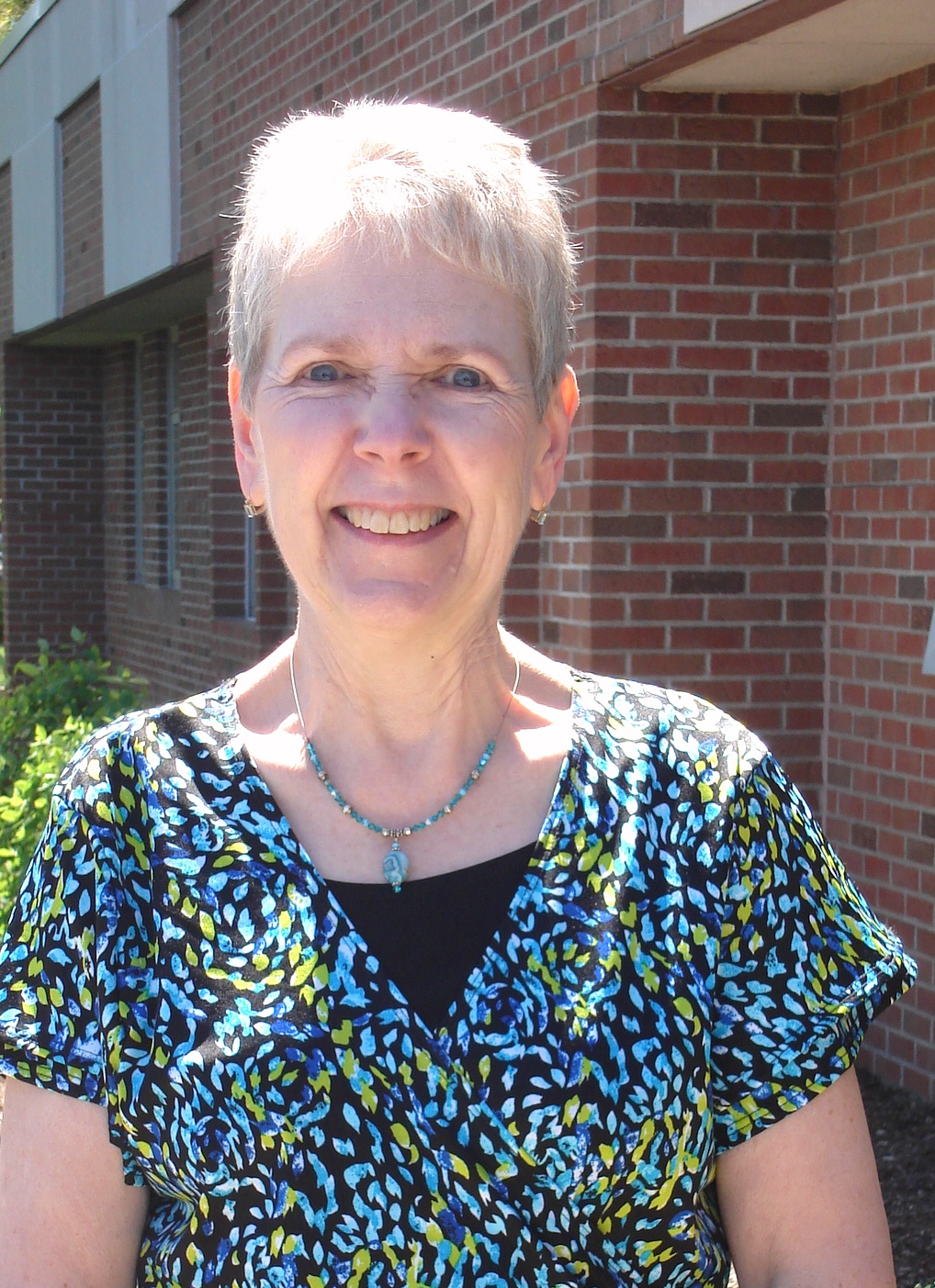
Stephanie Rose-Briggs, SLP
Communication difficulties affect the most vulnerable in our society – children and adults with disabilities. And, without communication, we are separated from people ultimately missing life’s most vital element: the human connection.
May is designated as Better Hearing and Speech Month. For over 75 years this is the time to raise awareness and understanding of the various forms of communication challenges including hearing, speech, language and voice.
This is why I felt it so important to interview Speech-Language Pathologists from the school at the Barber National Institute. As I reflect on their statements, I am reminded of the importance of their role with our children.
Stephanie Rose-Briggs, M.A.
Speech-Language Pathologist
Stephanie attended SUNY in Plattsburgh, New York for her bachelor’s degree and Edinboro University of PA for a master’s degree in Speech-Language Pathology.
Erik Undzius, M.A.
Speech-Language Pathologist
Erik earned his Master of Arts in Speech-Language Pathology and teaching certifications from Edinboro University.
Stephanie explained that upon completion of graduate studies, Speech-language Pathologists must complete an additional year of training as a Clinical Fellow in a work setting. Following the completion of the fellowship year, candidates can then apply for their Certificate of Clinical Competence through the American Speech-Language-Hearing Association. Having this certificate allows them to work in both clinical and school environments.
Why did you choose your profession?
EU: I chose speech-language pathology as a career due to having been involved in many different aspects of special education my whole life. My parents were both school psychologists and my mother eventually became a high school guidance counselor and I really enjoyed the kids she interacted with on a daily basis and the positive changes my mother made to their lives in general. I felt as though I would like to contribute to a profession that helps, nurtures and promotes growth as well as being an advocate for children and individuals with disabilities.
SRB: I sometimes think the profession chose me! I knew from about the age of 13 years that this was the career I wanted. My mother was fluent in Latin and French. She loved the rhythm, music and creativity of language and I think her love of all things written and spoken rubbed off on our family. And, by the way, I have never changed my mind about the choice of career. I continue to think it is an exciting and challenging field with new things to learn all the time! Continue reading
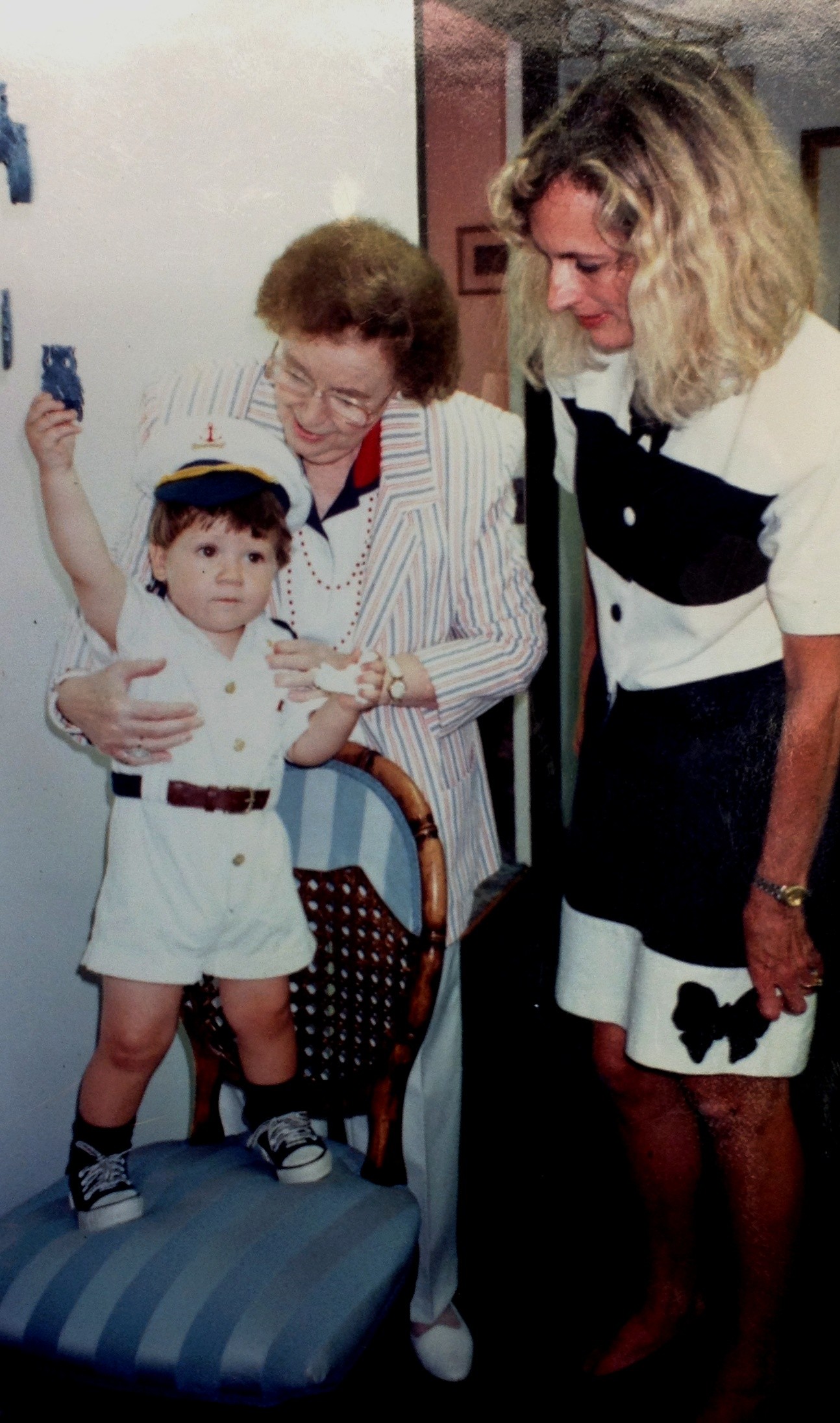

 Mother’s Day celebrates moms, but I believe that it’s a day we can celebrate the women in our lives.

 I feel a sense of gratitude as I reflect on how far we’ve come since the early 90s on this journey called autism. To all who work to keep autism on the forefront, thank you. Parents, teachers, physicians, researchers and advocates all played, and continue to play, an integral role in these advancements.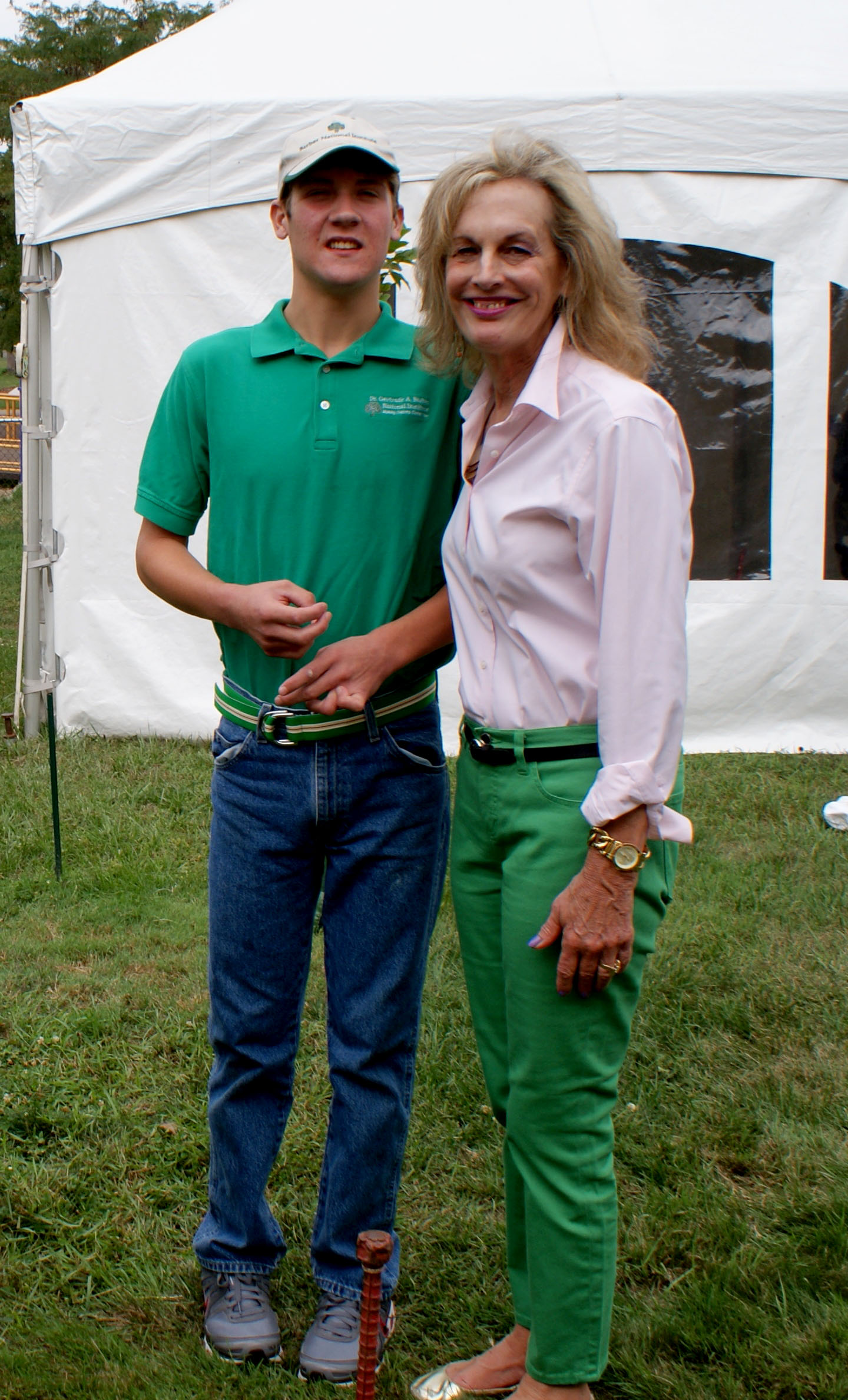


 All About Autism