The Journey of Autism: A Mom’s Latest Challenge

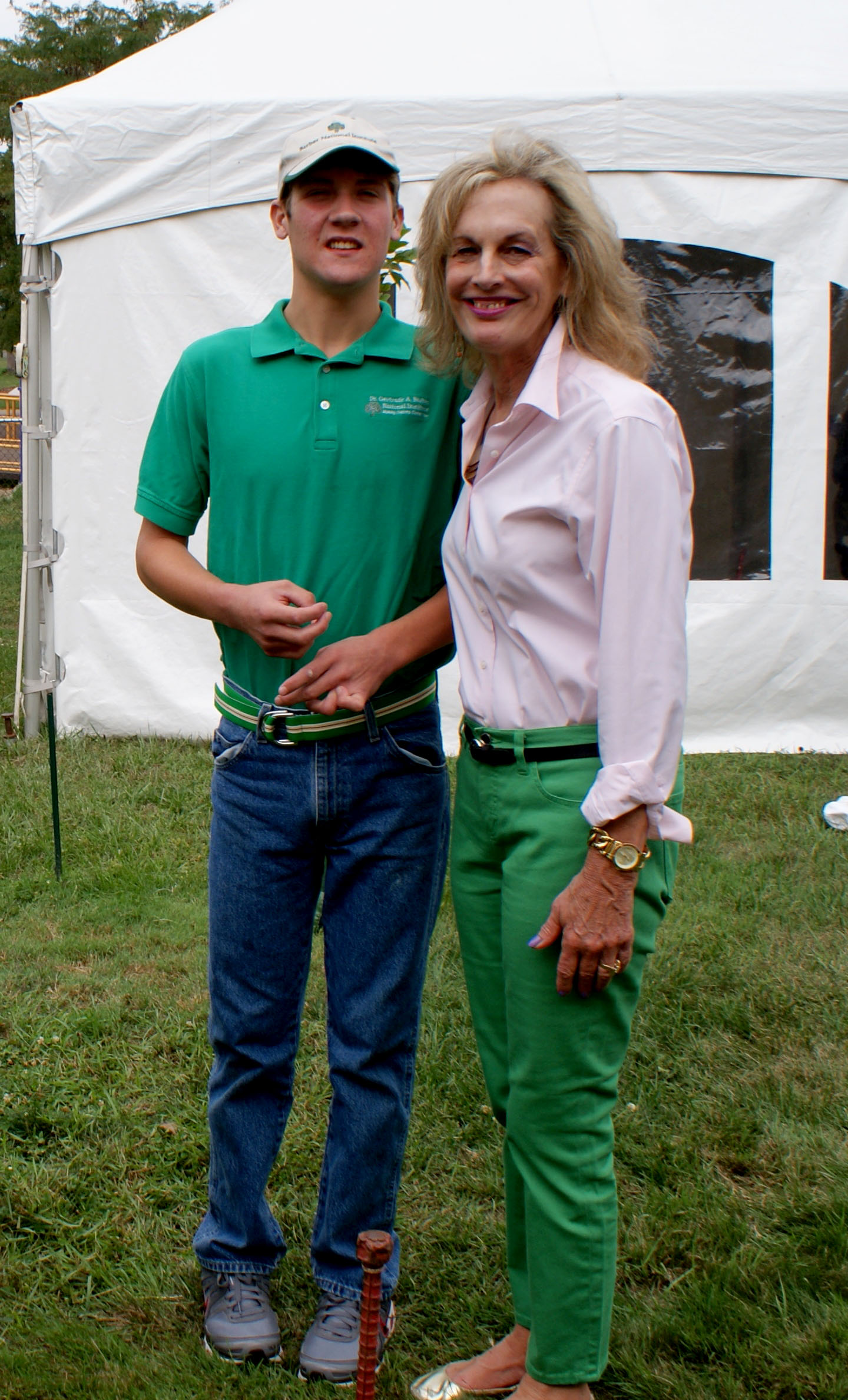
ImageI felt so proud of Ryan for sharing his perspective on living with autism in my last post. I also felt it might be helpful for me to share my views on our latest challenge as we travel the journey of autism together.

Ryan’s cousins moved on to college and living away from home after high school graduation.  He sees them, talks to them, and wonders “why am I not living in my own apartment?” He understands that college wasn’t an option for him and thoroughly enjoys his training program. However, he is “stuck” on wanting to live away from the house. He often says “I don’t want to live with you” or “I don’t want to be with you” and becomes agitated. This often feels frustrating, although I understand it’s Ryan’s desire for independence.

The Challenge: Provide Independence Safely

Living on his own at this stage of his life is not a realistic option for him.  We talk about the advantages of living with his parents.  For instance, the power recently went out.  Ryan and I went into various rooms lighting candles and placing flashlights strategically.  Afterwards, we talked about how, if he had been living by himself, this would have been very difficult.  This is one example I shared with Ryan of an advantage to living with someone, or as he describes it, a “precaution”.  However, he continues to get “stuck” on wanting to live away and not be with mom and dad.  I’ve been searching for the answer of how to resolve this dilemma.

The Solution: Create a “Studio Apartment”

Independence for Ryan feels like he has own place and is making his own decisions. To help him experience this independence, I explained to Ryan that many young men live in a studio apartment – one room that serves as a bedroom, living room, and kitchen.  His bedroom is now his “studio apartment.”  He can choose to go there to watch TV, use his iPad and relax.  Second, we identified all the jobs that need to get done in his apartment (laundry, cleaning, cooking etc.)  Ryan chose what he wanted to do and then which jobs I would do (I’ve been assigned the cooking).  We are still in the trial and error phase as we only began last week.  It is a work in progress, and it would feel fabulous to see this idea fulfill Ryan’s desire.

Ryan is transitioning into adulthood and there will be bumps in the road. However, I feel hopeful that he will succeed as he has in the past. The journey continues. 

Posted in Uncategorized | Tagged , , , | 6 Comments

I Have Autism: Ryan’s View

Ryan41813

MTV’s mini-documentary series “True Life: I Have Autism” introduced viewers to Jeremy, Jonathan and Elijah, three high school students whose autism is old hat to themselves and their families.  It was 2007, and the research suggested that 1:150 children were on the spectrum. The research now suggests that 1:50 individuals are diagnosed. The 2013 series “World of Jenks” chronicled the life of one of those individuals, Chad a 21-year-old with autism. The series revealed a raw, intimate look at the daily struggles and victories, as well as what it means to be a young person today. Continue reading

Posted in Uncategorized | Tagged , , , | 14 Comments

What Does 1:50 Really Mean?

Image1:500 – The incidence of autism diagnosed in children during the 90s. It was also the decade Ryan was born. Today, 2013, we know that number is 1:88. The latest study by the CDC is now reporting that 1 in 50 children have autism. What does this mean and why the increase?

The 1:88 study was based upon the review of the educational and medical records of eight-year-old children. The latest study was a telephone survey of 100,000 parents of children between the ages of six and 18, who were asked, “Does your child have autism and at what age was he or she diagnosed?” The magnitude of the increase was greatest for boys 14-17 years of age. A 2011 study screened for autism among school children in South Korea and found a prevalence of 1:38. One of the unique aspects of the South Korea study is that all the children attending school were screened. Continue reading

Posted in Uncategorized | Tagged , , , , | 2 Comments

How Autism Aware Are You?

Image“Autistic tendencies” – the term used in the 1970s describing children with intellectual disabilities who also fell within the spectrum.  As educators at that time, we weren’t aware that some children without intellectual disabilities would be diagnosed with autism. Why? High functioning autism and Aspergers were not diagnoses. The early 90s is when we began seeing children diagnosed. Today, in 2013, we are infinitely more knowledgeable about autism as a spectrum disorder, and that knowledge is advancing autism awareness.  However, misconceptions about autism still cloud the community at large. The question is, “How aware are you?”

See if you know whether these statements are true or false.

Autism is 3x more common in boys than girls.

False – Autism is 5x more common.

If your child is not speaking by the age of four, the likely probability is that he or she will never learn to speak fluently.

False – being nonverbal at age 4 doesn’t mean your child will never speak. Nearly half of all children with autism will learn to speak fluently.

Pre-symptom markers of autism can be diagnosed as early as 6 months.

True – Some of the common early signs are:

  • Not responding to his or her name by 12 months
  • Not making eye contact
  • Repetitive movements like hand flapping or rocking
  • Not talking or saying view few words
  • Having one or more of these doesn’t mean your child has autism, but if you see any of these behaviors it’s important to talk to your doctor.

 Vaccines cause autism.

False – No studies have found a link between vaccines and autism.

Men who fathered children after turning 50 increased their grandchildren’s risk of developing autism.

True-if your dad was 55 when he had you; you might have a higher risk. Researchers have also looked at prenatal folic acid and pollution contributing to autism development. There are many factors at play to consider.

1 in 88 children and 1 in 55 boys are diagnosed with ASD.

True and False – One year ago the CDC released a study stating that 1:88 children had a form of ASD. In less than a year, the CDC released an updated survey reporting 1:50 children and 1:33 boys with autism.

While immensely valuable, research in the field of autism sometimes creates a large pool of confusing and often conflicting information.   By staying current on the latest research findings, I hope to provide clarity and help navigate the body of information.

Up next, Tuesday’s post: What does it truly mean when we say 1:50 children are diagnosed with autism?

To learn more about autism, go to www.barberinstitute.org

Posted in Uncategorized | Tagged , , | Leave a comment

You Don’t have to be Holly Robinson Peete to be Aware of Autism

holly and rodney peete

Holly Robinson Peete and her husband Rodney
Photo courtesy of zimbio.com

Actress Holly Robinson Peete and her husband NFL star Rodney Peete are aware of autism. Their son, R.J., was diagnosed with autism at the age of three.  Inspired by their son, Holly and Rodney embarked on the journey of autism with faith, a willingness to learn, a passion to educate and a desire to bring autism awareness to parents, friends and the world.  They have a platform, through their celebrity status, to highlight autism and are using it for the betterment of awareness, research, advocacy, and information for families — the very same four pillars of the Autism Speaks mission. Continue reading

Posted in Uncategorized | Tagged , , , , | Leave a comment

What’s the Secret to Autism Awareness?

TRR_0340Autism Awareness Month is not simply for parents raising a child or
children diagnosed with autism.  This month is for everyone. For parents of typical children, grandparents, friends, coworkers, teachers, social workers, police officers, employers, store clerks, etc. This is the month — I hope — that the world discovers the secret to autism awareness. What’s that secret?

The secret to autism awareness is Continue reading

Posted in Uncategorized | Tagged , , , | 2 Comments

10 Reasons Why World Autism Awareness Day Matters to Me

ImageToday is the 6th Annual World Autism Awareness Day, and I think that is something to celebrate. Here’s why:

  1. Because in my experience as a mom, educator and administrator, autism awareness is working! It’s evolving from awareness to acceptance.
  2. Because of the history of this special day. Recognized in countries across the continent as World Autism Day, The United Nations established this day in 2008 to promote greater understanding about autism, the fastest growing developmental disability in the United States.  Continue reading
Posted in Uncategorized | Leave a comment

8 Tips for Successful Holidays or Events for Kids on the Spectrum

christmas-kidsHolidays and family events are a joy and a stress in many families for both parents and children. If you have a child with special needs, these celebrations can become challenging. In a previous blog I offered some tips to making the most of holidays. Whether Christmas or Easter, I hope you find them helpful as the weekend approaches.

Look at the holiday through your child’s eyes

What aspects of the holiday would your child enjoy? Many parents simply enjoy buying gifts for a child. However, too many gifts can be too stimulating for some children. I found that with Ryan, three gifts work for him. Focusing on what he finds interesting is most important.

Adapt an Advent Calendar

Ryan and I often do a countdown while focused on the religious aspect of Easter. I also prepare Ryan for visits with family and social outings by using social scripting. By creating a countdown and practicing expectations, Ryan is better prepared for the events.

Decorate Throughout the House

If your child is over stimulated by sensory experiences, you may wish to limit the amount of decorations in one room and/or gradually decorate your home. Decorations are fun, but they are a change, and with change, comes anxiety.

Keep it Simple

Limit your schedule. When Ryan was about three years old, I noticed that he was quickly bored when visiting other’s homes, causing various behavior challenges. At that point, I made visits shorter. We followed the same routine starting early around 4:30 p.m. and ending by 6:30 p.m. Talking to your family about your schedule and why you need to keep your visits short and structured will not only help you, but allows them to understand.

Two Cars are Better Than One

Continue reading

Posted in Uncategorized | Tagged , , , , | 2 Comments

Autism: Questions and Answers

Image

There were activities for children and autism resources for parents at Autism Awareness Day.

Last Saturday, we hosted an “Autism Awareness Day” at the Millcreek Mall in Erie, PA. I had the opportunity to talk with a number of people who asked questions about some of the latest research findings.

The most frequently asked question revolved around the news that 1 in 50 school aged children are affected by autism disorders. This new statistic was the result of a recent government health telephone survey of 100,000 parents with children ages 6-17. While this number will not replace the official estimate of 1 in 88 American children, it indicates that the current estimate may in fact be lower than previously thought. Another point noted in the survey was that many children are not getting a diagnosis until 7 years of age or older, which is a surprise because we stress the importance of early diagnosis. This new information highlights the importance of increasing autism awareness, not only during April but all year long. Continue reading

Posted in Uncategorized | Tagged , , , , | Leave a comment

Real Choices, Real Jobs

ImageWhat happens after your child graduates from high school?

Will he or she be able to get a job?

Will he or she be able to live independently?

These are questions that parents of children with disabilities ask themselves, often when their child is still in elementary school.  For the parent of a “differently-abled” child, these questions are imperative because the traditional paths of college, career and independent living may or may not be on the horizon — A journey I’ve experienced personally.

My son Ryan was born in 1993. I remember thinking that he would be a Notre Dame student, class of 2016. That dream quickly transformed to questions, and at the time that he received his diagnosis, I keenly remember saying to my friend, Jeanne, “I guess that he won’t be going to Notre Dame.”

In that moment I knew his future would take him down different paths and questions began to swirl through my mind: Would he go to school? What would his future hold? Will he work? Continue reading

Posted in Uncategorized | Tagged , , , , | Leave a comment