National Direct Support Professional Recognition Week, September 13th – 19th, 2015, is a great opportunity for organizations and communities to honor the direct support workforce and the tremendous difference they make each day in the lives of millions of Americans with disabilities.
 You’re probably thinking: “What is the role of a direct support professional?” since this job title is relatively new. 20 years ago, a person might have been called “Aide” or “Paraprofessional.” Today, they are most commonly referred to as “Direct Support Professional.” Regardless of their title, the job description is typically the same:
A direct support professional is a person who assists an individual with a disability to lead a self-directed life and contribute to the community, assists with activities of daily living if needed, and encourages attitudes and behaviors that enhance community inclusion. (Source)
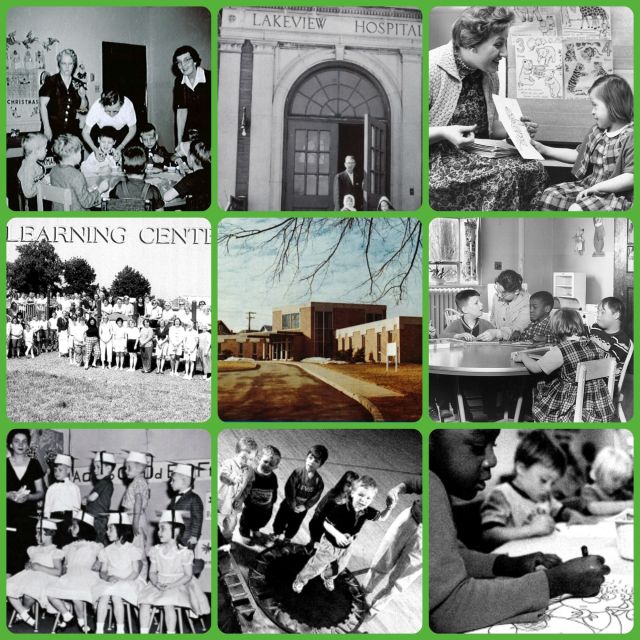
At the Barber National Institute, Direct Support Professionals are an integral part of our team. They support our fundamental belief that learning is a lifelong process, and that all individuals should be provided the opportunity to reach their greatest potential.
To honor our DSPs, we created banners for the day programs, sent cookie trays to each of the programs and entered each staff member into drawings for gift cards.
People who need support are more likely to fulfill their life dreams if they have well-trained, experienced, and motivated people at their side in long-term, stable, compatible support relationships. These are the people who we hire as Direct Support Professionals. They are truly “Making Dreams Come True!”
Resource: National Alliance for Direct Support Professionals: https://www.nadsp.org/



 Research Suggests Toddlers Who Have Poor Motor Skills May Be Bad in Math
 One of the fundamental building blocks in education is reading. So perhaps it’s no surprise that the “Back to School month” September carries holidays like National Library Card Month and International Literacy Day (September 8th).
 Strong, engaged readers become knowledgeable, strategic, motivated, and socially interactive persons. Thankfully, because of public libraries across our country, literacy no longer needs to be something that only the privileged and educated can access. During this month, the American Library Association and libraries across the country join together to remind parents and children that signing up for a library card is the first step towards academic achievement and lifelong learning.