I was thrilled when Senator Bob Casey agreed to be a guest blogger for Autism Awareness month during his recent visit to Erie and the Barber National Institute. His tireless efforts in the Capitol have made such a wonderful impact. I’m honored to share his words with you today.
~ Maureen
Eight years ago, a group of parents came to Congress, asking for help with a pressing issue- adequately saving for their children’s future. Among these parents was a gentleman named Steve Beck, who knew firsthand the challenges many families face when a loved one has a disability. Faced with a lifetime of extraordinary expenses, parents are told not to save or put assets in their child’s name. Thanks to Steve and other countless parents, we were able to change this dynamic with the passage of the ABLE Act.

Senator Casey
This law will impact many individuals. One person is a woman named Sara Wolff. Sara is from my home county of Lackawanna County. She is someone who has a disability but is very able. She is a law clerk, a well-known speaker and a dynamic person who is an inspiration to many, including me. And in this month, when we celebrate Autism Awareness Month, I want to commend the dedication and commitment of people who are, to borrow a phrase from the Bible, like ‘laborers in the vineyard’ fighting battles on behalf of those who have disabilities.
Throughout my time in public office I have worked to improve and expand opportunities for people with disabilities, and to support those with disabilities such as Autism throughout their lives. In caring for and supporting people with disabilities we must ensure they have access to support services and a health care workforce that allows them to achieve everything they wish to and can achieve.
Thanks to the continued hard work of disability advocates and families, we are seeing widespread adoption of state implementing legislation—the vast majority of states have enacted laws to pave the way for the opening of ABLE accounts. I’m especially pleased that the Pennsylvania General Assembly passed and the Governor recently signed implementing legislation so that families across the Commonwealth can soon begin to open ABLE accounts. Shortly before the ABLE Act was passed by Congress in 2014 Steve Beck passed away suddenly and unexpectedly. The progress of the ABLE Act in so many states is a testament to his vision and tireless advocacy.
The ABLE Act is grounded in a simple but vitally important belief—that people with disabilities have a lot of ability. That they can not only contribute substantially to our quality of life and the success of our nation, but if we give them some tools, they can lead as full a life as possible. That’s the belief that has guided us in this effort.
Autism Awareness Month stresses the need to recognize, understand, and study autism. We need to continue our research efforts to understand the causes of autism and look at ways to help individuals reach their full potential. I look forward to joining you in those battles along the way.

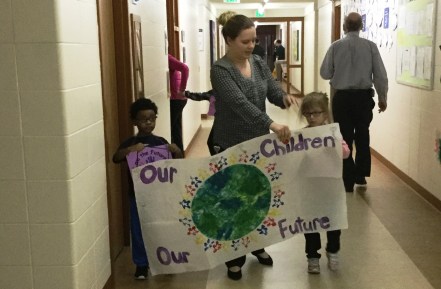 The WOYC is a time to plan how we—as citizens of a community, of a state, and of a nation—will better meet the needs of all young children and their families.



 How does being an employment first state affect us all? As we celebrate Autism Awareness Month in April, consider that approximately 50,000 adolescents with autism spectrum disorder turn 18 each year in the U.S. Without employment opportunities, these young people will be idly sitting at home, and yet they have the abilities to be doing so much more.
 Tomorrow begins our month-long celebration of Autism Awareness. For the past seven years, we have worn the color blue on April 2nd in honor and recognition of April’s Autism month. Many people have asked me the question: “Why do we wear blue on April 2nd?” My response is often, “Well, why do we wear a specific color in recognition of any month?” After all, a color cannot fund autism programs, secure jobs, or provide respite to families. But wearing blue unites us in a common cause; allows us to realize that there are thousands of people who not only know of the cause but also support it; and encourages us to advocate and remain strong in our convictions that children and adults with autism have the right to develop to be the best that they can possibly be.
 Scientists and researchers are constantly uncovering more information related to autism, offering insights into the origins, possible causes and even at times potential cures. I come across dozens of articles on a weekly basis, some of which seem more important than others. I thought I would share on a monthly basis stories that caught my eye.
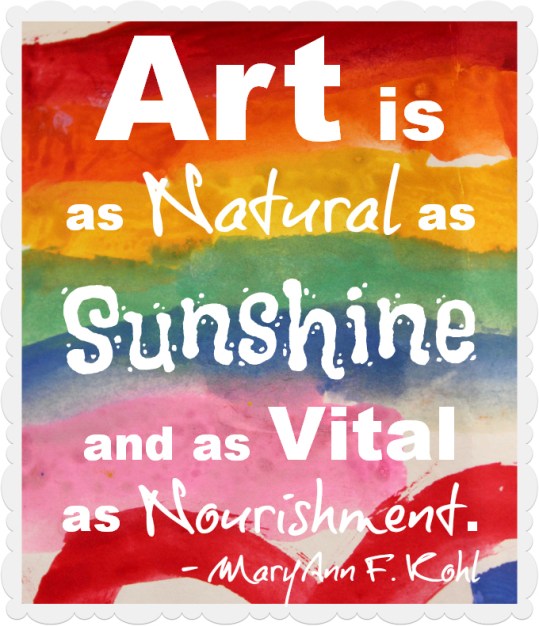
 It was 9 years ago when I presented to John Barber the concept of holding an art show during March for children and adults with autism. As we discussed further, it made the most sense that our art show would bring the entire community together, both artists and amateurs, as well as children and adults with and without disabilities. We were unsure of whether this event would be of interest; to our surprise, the support was overwhelming!