
Dressing up as a favorite superhero, trick-or-treating for goodies, and spending the evening with friends are just a few reasons why Halloween can be such a fun holiday for parents and kids alike. However, for many children with autism this night also has the potential to be a difficult and stressful time of year.
If you or someone you know has a child with special needs but still plans to trick-or-treat, here are some ideas to make sure everyone has a safe and fun Halloween:
– Flashlights: Ryan carried one to help him see in the dark/dim evening. It gave him a sense of comfort and some means of control.
– Practice: Try on the costume, including make up or masks, to make sure he/she is comfortable; walk the route you intend to take; and talk about what will happen after trick-or-treating. Predictability is key to helping children with autism feel safe and calm.
– Role play: Similar to practicing, role playing provides structure and outlines specific behavior for trick-or-treating. Halloween is also a great opportunity to reinforce good manners, such as waiting their turn to ring the doorbell, saying “Trick or Treat,” only taking one treat, and always saying “thank you” before leaving.
– Be aware of sensory triggers: Although Halloween decorations can be very entertaining, flashing lights or loud sounds may evoke unpleasant sensory reactions for your child.
– Know your limits: As soon as you see your child becoming over-stimulated or agitated, it’s time to go home. It’s okay the end the evening earlier than planned.
– Be prepared: If your child is nonverbal or has difficulty communicating, it’s important to make sure that he or she wears an identification bracelet in the event that you are separated while trick-or-treating. Another idea is to create a “Trick-or -Treat” card explaining your child’s special needs and pass it out to houses on your intended route in advance of the evening. It’s a simple way to make everyone feel more comfortable.
 Although Ryan hasn’t gone trick-or-treating in many years, he enjoys the Halloween ESO dance and has always enjoyed this holiday very much. That’s not to say that we haven’t used many of the tips above!
Any suggestions I may have missed? I would love to hear what has worked for your family!



 Autism in motion
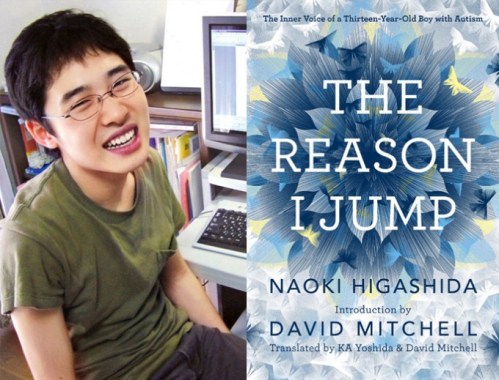 That is was why I was excited when I read a review of The Reason I Jump, which is written by a then-thirteen-year-old boy with autism, Naoki Higashida. Naoki uses an alphabet grid to construct phrases and thoughts that he previously was unable to express.
 I recently found a memo written by Dr. Barber in the early 90s that reflects her commitment to these principles. I wanted to share some excerpts here; who better to tell you of our mission than Dr. Barber herself?
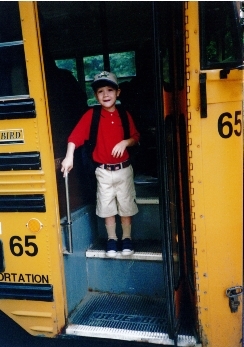 As we enter our second week of school, I find myself a bit nostalgic as I think back to Ryan’s time in school. It’s hard to believe that it has been five years since he graduated high school! I truly believe that one of the reasons he was successful in his school career was my willingness to commit to working with his teachers.
 I also believed it was important to meet weekly with the teacher(s) to discuss his progress and challenges. This assured consistency between home and school – a critical variable for Ryan. Looking back, I drove to his school in blizzards as well as frightening early morning meetings at 7:00 AM! I was fortunate that my best friend, Jeanne, attended as Ryan’s advocate. She was great support. I would encourage all parents to take a friend to team meetings. So much is being discussed and it’s helpful to have someone taking notes.
 Welcome back to the start of this 17-18 school year! Judging by the smiles on your faces, I’m sure that you all had a great summer. I’m really looking forward to the positive changes that our PBIS team will bring about this year, and I wanted to share a few thoughts of my own.

 As this past Sunday was Friendship Day in the US, I wanted to share a few of my thoughts about friendship. Friendship can be a challenge for children on the spectrum. From my personal experience, Ryan sadly had no friends during his years at school. I often thought, “Wouldn’t it be wonderful if someone would invite him to their birthday party?” Unfortunately, that never happened. Ryan preferred the company of adults. I think that was because the adults would take the time to listen to him when he would speak in a rapid manner and would wait patiently for him to him to formulate his thoughts. I think that these adults recognized the importance of kindness more so than Ryan’s peers.
 If there is not a chapter at your school, consider working with administration to start one. Ryan participates in


