
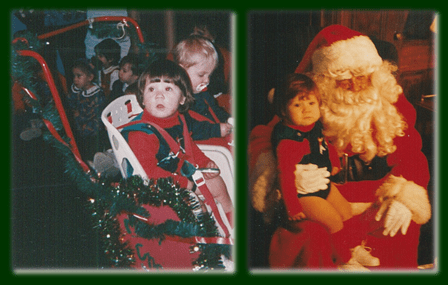
 As we approach Christmas, I began thinking about Christmases past. Ryan’s first Christmas was quite eventful. Erie was in the midst of the Blizzard of ‘93, and we were picking up my mother and driving to Uncle Joe’s house for Christmas dinner. Typically, it takes 45 minutes to get to his home – on this evening, it took one hour just to get to my mother’s home! There was no visibility, but we forged ahead in hopes that the weather would get better. By the time arrived, there were “No Travel” advisories on every TV station. Rather than risk driving off the road with a newborn baby, we turned around and drove home.
Since that first year, Ryan has experienced every kind of Christmas imaginable. Regardless of the weather, we have been fortunate to spend this special day surrounded by family and good friends.
From the start I encouraged Ryan to think about baby Jesus and the story of the first Christmas. As the wise men brought Jesus three gifts, Ryan would receive three gifts on Christmas. We’ve continued this through the years. ! I have encouraged many to use the story of the three gifts of the magi for their children.
This year his gifts will be a Holiday Valley ski pass, Waldameer/Waterworld pass and golf lessons… but it’s a surprise, so don’t tell him! Just yesterday, Ryan wondered out loud what his three gifts would be.
This year, while it may not be a white Christmas, Ryan is hosting a Jingle & Mingle party for many of his cousins, aunts, and uncles. Ryan is turning out to be quite a party planner! He loves the idea of people coming to his house, choosing the goodies to eat and drink, and being in charge.
It will be a very Merry Christmas – I hope yours is as well!!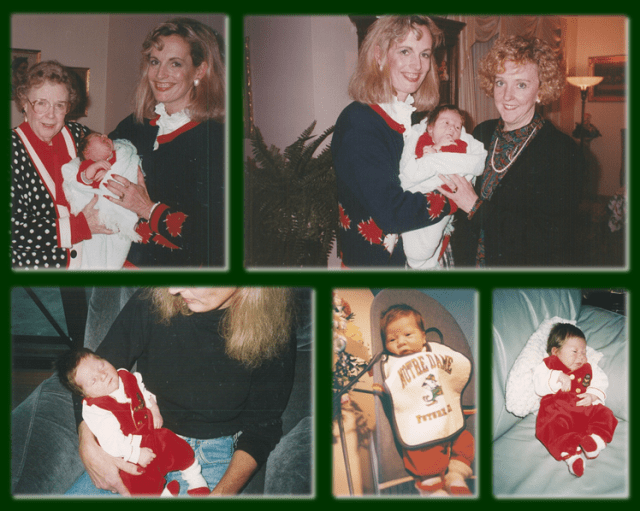
 Scientists and researchers are constantly uncovering more information related to autism, offering insights into the origins, possible causes and even at times potential cures. I come across dozens of articles on a weekly basis, some of which seem more important than others. I thought I would share on a monthly basis stories that caught my eye.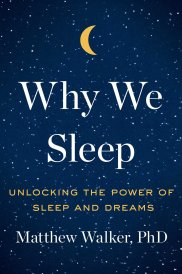
 After reading this book, I believe that some of his lack of focus, inattentiveness, and increase in anxiety and repetitive behaviors may in fact be, in part, due to a poor night’s sleep. I recently purchased Ryan a “Queen size” bed and he seems to be sleeping better. Whether incidental or not, it does seem correlated to better focus and job performance! This book has helped me understand some of the “scientific” reasons for his behaviors. We are working on some new ways to promote better sleeping habits – I’ll keep you in the loop as we move further down that road!
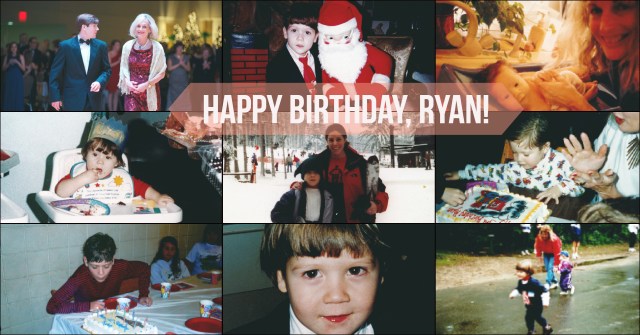 Oh my goodness! Ryan turns 24 tomorrow!!!!!!!!!!!!!!!!!!!!!!!!!!!!!!!
 hanksgiving is one of my favorite holidays; no, not because of the turkey and stuffing! This holiday provides the opportunity to do some soul-searching and reflect upon what I’m grateful for. Moreover, this special time of year, when people go out of their way to be a little bit kinder and warmer, is a rejuvenating reminder of what we are grateful for all year long.


 Initiated in 1997, this is a day set aside to focus on extending kindly acts towards others, without the expectation of anything in return. While it would be nice to say that every day should be World Kindness Day, the reality is that sometimes work, current events, and other personal challenges can get the best of us. Not to mention that as soon as we open the newspaper or turn on the television, we are confronted with everything from violence in the world to political debates that sometimes focus on the negative. We could certainly use an entire day dedicated to kindness!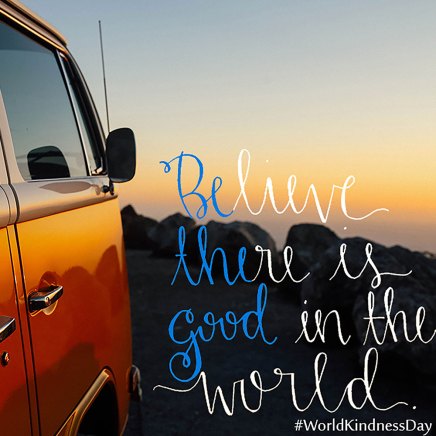

 Although Ryan hasn’t gone trick-or-treating in many years, he enjoys the Halloween ESO dance and has always enjoyed this holiday very much. That’s not to say that we haven’t used many of the tips above!


