
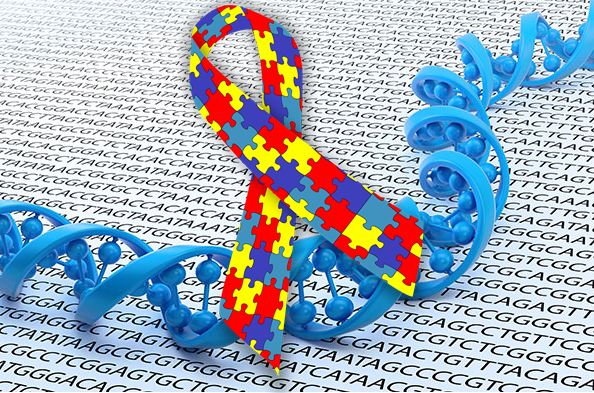
 Autism Speaks recently announced that they are collaborating with Google to transform genomic research on ASD. This is a very complicated, scientific concept so I have been researching it further to ensure that I understand what this means. What I’ve learned is:
- For the first time ever researchers have analyzed the entire DNA sequence (whole genome) of individuals with ASD and were able to link autism symptoms to specific genetic changes in half of the families studied.
- Autism Speaks will use the Google Cloud platform to manage, analyze and share this information.
- The goal is to sequence the whole genome of 10,000 individuals with ASD living throughout the world. Upon completion this collaboration could lead to the identification of various subtypes of autism.
- “Whole genome sequencing has shown its potential to fundamentally transform the future of medical care for people with autism,” said Autism Speaks Chief Science Officer Rob Ring.
So now that I understand the impact of this research I decided to investigate how you and I can participate. The site that I found most helpful was Interactive Autism Network.
I’d encourage you to consider registering with this network. Wherever you live you can make a difference by participating … and it only takes 10 minutes.




 The sun is shining on our students who are graduating this evening from the
  elementary school or
  That is what I will see tonight – 45 children and their families who’s “dreams have come true.”
 Our children are excited as they approach their final countdown to summer vacation. We as parents have probably been planning our children’s vacation schedule since the beginning of April. I know I always did. Summer is a time when we are vacationing at the beach, visiting amusement parks, out and about and having fun. Even though summer is a fun and exciting few months, it is also a worrisome time because our children may have opportunities to wander.
 wandering with a purpose of getting something he/she wants
 tips
tips



 As we focus on May as Mental Health Awareness Month, we know that there is a great deal of misunderstanding about mental illness. Unfortunately, negative attitudes and beliefs toward people who have a mental health condition are common. Although 1 in 4 people have some form of a mental health disorder, a recent study found that in Europe and the United States up to 75% of those affected don’t receive the treatment they need.
 and are afraid to let anyone know they have an issue. Those most affected by the stigma are young people, those from minority ethnic groups, members of the military and healthcare professionals.




 All About Autism