Week of the Young Child

This week is the Week of the Young Child, an annual celebration sponsored by the National Association for the Education of Young Children (NAEYC). weekoftheyoungchildThis week was created in 1971 in order to focus the public’s attention to the early childhood programs and services that young children so greatly need. Early childhood years, which are generally considered to be birth through age 8, are vital to a child’s health and development and will lay the foundation for a child’s success in school as well as life. This week is an ideal time to come together as citizens of a community, a state, and a nation to think of ways we can continue to improve the education and services for young children everywhere.

PNC Bank’s Grow Up Great program is just one of many organizations that is committed to celebrating this week. Volunteers from PNC will be reading to children in the classroom, running book and supply drives, and coordinating other team volunteer activities throughout the month to honor what they are calling Great Month.

sesame-streetAdditionally, Grow Up Great has been working with their partner, Sesame Street®, to develop a set of “Adventure Cards,” a set of ten bilingual cards that encourage parents and caregivers to help children learn new vocabulary through activities such as gardening or farming. Similarly, they are launching a new Sesame Street podcast series which will follow Abby, Elmo, and Buzz Word on their weekly word adventure. The cards and podcasts are available on www.pncgrowupgreat.com.

Each day, NAEYC has fun activities for your child to do. They ask that everyone shares photos of their activities on Facebook, that way we can connect with others around the world! At ELBS, we are kicking off the celebration on Monday morning with a parade around school! The school will wear purple for the celebration, and children will be asked to describe what school means to them. Other activities during the week include a guest reader, picture sharing from home, digital yoga, and an ice cream and movie party!

How will you celebrate Week of the Young Child?

Posted in Uncategorized | Tagged , , , , , , , | Leave a comment

Make ‘Em Laugh!

Next week, on April 14th, celebrate International Moment of Laughter Day by making someone smile and laugh.laugh This is a day to laugh often and laugh loudly. After all, they say laughter is the best medicine!

For kids with autism, creating moments of laughter to their daily life can add immeasurable joy to not only their life, but yours as well. It may take months to detect a pattern of humor, but taking the time to observe what makes them laugh is well worth it. As you learn what triggers their giggles, write down these ideas in a journal. This is also a great place to write down some of the funny things your kids say. It is equally as important to realize when to stop – only you know when they have had enough stimulation.

Did You Know?

  • When we laugh, our pulse, heart rate and blood pressure go up, we breathe faster, and we send more oxygen to our tissues. In other words, laughter can be like a mild workout – and offers the same advantages!
  • Laughter burns calories like a workout as well! In a small Vanderbilt University study, it was measured that 10-15 minutes of laughing burned 50 calories.
  • Laughing reduces the levels of stress hormones your body produces, which can result in a higher immune system performance.
  • When you laugh, you activate T-cells – immune system cells – to kick in and help fight off sickness. Next time you feel a cold coming on, be sure to throw on a funny movie!
  • By laughing, we release endorphins, the body’s natural pain killer. Laughing can help ease pain and make you feel good.
  • Doctors have found that people who have a positive outlook on life, laugh and smile more, tend to fight off diseases better and live longer than people who tend to have a more negative outlook.

laughter

So, stay positive and laugh often!

Posted in Uncategorized | Tagged , , , , | 1 Comment

World Health Day: How Safe Is Your Food?

large-poster-hi-res_001Today is World Health Day! Each year, the World Health Organization draws worldwide attention to a subject of major importance to global health. This year’s theme is food safety. Unsafe food, such as food that may contain harmful bacteria, viruses, parasites, or chemicals, is the cause of death for more than two million people, mostly children, every year.

In recent years, there have been several major changes in the ways that food is produced, distributed and consumed. While this fact alone is not necessarily a threat, as a nation we need to ensure that standards are imposed and met in a way that does not compromise food safety in light of these changes. Over the past half century, the process by which food gets from the farm to the plate has changed drastically. Food contamination that occurs in one place may affect the health of consumers living on the other side of the planet. This means that everyone along the production chain, from producer to consumer, must observe safe food handling practices.

Other challenges to food safety are the new and emerging pathogens, as well as an increasing antimicrobial resistance, some of which has been in the news recently.

The WHO is working with countries and partners to strengthen efforts to prevent, detect and respond to foodborne disease and is raising awareness about the importance of the part everyone can play in ensuring that the food on our plate is safe to eat.

I have been encouraging Ryan to “chef” with me so that he becomes more confident in cooking. As we cook, I try to remind him of food safety tips. These tips are important to teach all children as they learn to “chef” in their own kitchens:

5keys_en_001

  • Always wash hands before and after preparing food.
  • Cook meat, poultry, fish and eggs thoroughly. Use a cooking thermometer to make sure meats are a safe temp for eating.
  • Wash fruits and vegetables well before eating.
  • Always check the expiration date – don’t use food that has expired!
  • Follow your nose and eyes – if fish or meat has a strong odor or looks like the “wrong” color, don’t eat it!
  • Never rinse raw chicken, which can spread dangerous bacteria such as E.coli or salmonella.

For more great tips on food safety visit: http://kidshealth.org/teen/food_fitness/nutrition/food_safety.html#

Posted in Uncategorized | Tagged , , , , | Leave a comment

Happy Easter!

EasterCollage

Posted in Uncategorized | Tagged , | Leave a comment

Happy Passover!

passover

Posted in Uncategorized | Leave a comment

How To Get Involved This April

1_april_autism_awareness_month_ribbon_sticker_rectaApril is Autism Awareness Month! In honor of that, there are several great events going on in our community. Since it can be hard to keep up, I’ve created a timeline below for families to reference during this fun-filled month.


April 2: Light it Up Blue Day! This is World Autism Awareness Day, organized by Autism Speaks. And make sure to stop and see the bicentennial tower and Mercyhurst University’s Old Main Tower. Both will be lit in blue in commemoration.

April 10 – 13: The Guelcher Art Show. This free event at the Barber National Institute will begin on April 10 from 10:00 – 8:00. A wine and cheese reception is open to the community that evening from 5:00 – 8:00. The event will continue on April 11th, from 12:00-3:00, and April 12th, from 12:00- 3:00, with a Youth Artist Award Ceremony from 1:00-6:00 in conclusion. Enjoy more than 400 works of art created by adult professional, amateur, and youth artists in our region.

April 9: Spouses on the Spectrum. 6:00 – 7:30. Janet Pawlowski, Licensed Psychologist, will host a discussion with spouses/partners of adults with ASD regarding advantages and obstacles as well as information needed to improve your relationship. KaleidAScope will hold this event in their office at 4934 Peach Street. Reservations are appreciated, please call 824-4515.

April 10: ESO “Oldies but Goodies” Dance. 7:00 – 9:00. Created for young adults ages 18-35 with developmental disabilities as a chance to expand sociability opportunities. Hosted by Mercyhurst University and held at St. Peter and Paul’s Social Center at 3415 Wallace Street. No reservation required, a $3.00 donation is requested. For questions, call Joyce Krahe McDonnell at 878-5905.

April 11: “Spread the Word to End the Word” Dance. 7:00 – 9:00. Hosted by the Gannon University Occupational Therapy Honor Program and Society – Pi Theta Epsilon. A RSVP is required, email Schnur002@knights.gannon.edu.

April 12: Roller Skating Night. 5:00 – 7:00. Hosted by the NWPA chapter of Autism Society. An evening of roller skating in a sensory-friendly environment with lights left on, strobe lights turned off, and music turned down. Free and open to families and individuals living with an autism spectrum disorder. A RSVP is required by April 8, visit http://www.nwpa-asa.org for more details.

April 13 – 19: The Pieces for Hope Autism Campaign at Panera Bread. Puzzle piece shortbread cookies will be for sale at all four Erie locations. 100% of the cookie proceeds benefit the NWPA Autism Society.

April 15: “Raise the Roof for Autism: My hike to the top of Mt. Kilimanjaro.” 7:00 PM. Brad McGarry, the Director of the Autism/Asperger Initiative at Mercyhurst University, will present in the Taylor Little Theatre at Mercyhurst. Doors open at 6:30 p.m. This event is free and open to the public.

April 23: Adult Social Group. 5:30 – 8:00. This evening offers adults with autism, ages 18 and older, a chance to meet new people, plan activities, and the opportunity for a weekly social engagement. This free, open-to-the-public event is held by KaleidAScope in their office at 4934 Peach Street. Reservations are appreciated, please call 824-4515.

April 23: Autism Awareness Event. 6:00 – 8:00. This is a parent/professional forum featuring parents of children with autism, clinicians, educators & healthcare professionals. Join the discussion as the Achievement Center talks about practical approaches to treatment, the latest interventions, challenges, and tips for success. Including breakout sessions by Janet Pawlowski, Bob Gulick, and Dr. Karen Morahan. The event will be held at 4950 West 23rd Street. Free admission and childcare. Please RSVP to Bob Gulick, 814-459-0519 or email BobGulick@Achievementctr.org, no later than April 9th.

April 24: ESO Beach Party Dance. 7:00 – 9:00. Created for young adults ages 18-35 with developmental disabilities as a chance to expand sociability opportunities. Hosted by Edinboro University in their Crawford Center. No reservation required, a $3.00 donation is requested. For questions, call Joyce Krahe McDonnell at 878-5905.

April 25: 14th Annual Walk for Autism. Walk begins at 11:00 AM. Presque Isle. This is an annual fundraising walk that raises money for the Autism Society NWPA. Sign up to walk here: http://nwpa-asa.org/events/walk-information/.

April 30: Ask the Experts. Noon – 1:00. This is an open Q & A Session at Barber National Institute, hosted by the ELBS Parent Group. A panel of experts will be available to answer questions on topics such as Special Education, Technology, Behavior Management, and Communication and Sensory Issues. Admission is free and open to the public; refreshments provided. RSVP required at laurenglass@barberinstitute.org or 878-5903.


If there are any other events I’ve missed, please be sure to share in the comments below. And don’t forget to download and print your free copy of the events calendar below!

April 2015 Calendar

Posted in Uncategorized | Tagged , , , , , , , , , , , | Leave a comment

Do You Know BrainSTEPS?

CPToday’s guest blogger is Cindy Priester, OTR/L, MS. Cindy is the Educational Program Coordinator at the Elizabeth Lee Black School. She was an OT for 31 years at BNI before accepting the coordinator position. She currently volunteers as a team member of BrainSTEPS.

~ Maureen


In addition to my full-time job, I also volunteer as a team member of the statewide program BrainSTEPS. Recently, we just held our annual goal planning session. I was reminded of how sobering and serious brain injuries can be, which makes the BrainSTEPS initiative all the more important in our community.

The damaging effects of concussions and other head injuries of professional athletes have been in the spotlight more than ever before, but sadly, there is very little awareness about brain damage in children. Brain injuries are a leading cause of death and disability in children and adolescents. Injury to the brain can have a significant impact, either temporary or lifelong, on a student’s ability to learn and classroom performance. Children do not always need to strike their heads to sustain a brain injury. Even a sudden, severe jolting of the head may be all the force necessary to inflict brain damage.

Unfortunately, brain injury can’t always be accurately measured based on outer appearance. Following an accident, a child may appear physically recovered but may in fact still have significant brain injury, the effects of which are not immediately apparent. In some cases, the damage may only become evident over time as the child passes through important developmental stages and begins expanding his/her use of the brain.

BSBrainSTEPS (Strategies Teaching Educators, Parents, & Students) is a brain injury school re-entry consulting program that assists PA schools in creating educational plans for students following an acquired brain injury (ABI). There are a total of 30 BrainSTEPS teams throughout PA. Team members are volunteers as well as professionals in their field. Each team is comprised of education professionals and a wide range of medical rehabilitation professionals to allow proper assessment and care for each case. Every staff member must be fully trained at a day-long program and retrained every year.

Schools and families consult with the BrainSTEPS team in the development and delivery of educational services for students who have experienced any type of ABI. Such services include intervention selection and implementation, educational plan development, concussion management, teacher, peer and family training, access to community resources for continued training and rehabilitation, and continued monitoring until graduation.

For the coming year, BrainSTEPS plans to grow by holding regional training for all districts on brain injury topics, as well as establishing stronger partnerships with other school districts for student referrals.

For more information, please visit www.brainsteps.net, and be sure to share this important information!

Posted in Uncategorized | Tagged , , , , , , | Leave a comment

Nutrition and Autism

March is National Nutrition Month. For parents of children with autism, the idea of ensuring adequate nutrition to a child who may likely have many food issues such as allergies, sensory issues, or even behavioral challenges, can be daunting. school-dinnersa-460_781013c

Unfortunately, these worries have a basis: studies confirm that having inadequate nutrition is more likely in children with ASD than in typically developing children, particularly in low intake of calcium and protein. Both of these nutrients are important for growth, and protein is especially important for mental health and development.

Some parents may choose to prepare “alternative diets,” such as removing gluten from a diet. It has been reported that some children’s symptoms and even related medical issues seem to dissipate with these changes in diet. Conversely, diets such as this may only increase the challenge of ensuring adequate nutrition.

It is really important to discuss changes in diet with your child’s physician, and to evaluate potential risks, costs, and impact to your family before introducing dietary changes into your routine. Ultimately, you and your child will figure out what helps and what doesn’t. Don’t be afraid to try a new diet or introduce a new food, but if you don’t see a clear improvement in a few weeks, you may want to consider stopping it. Also, before you introduce any new supplements into a diet, be sure to consult with your doctor about appropriate combinations and dosages.

I recognize that I am very lucky in that Ryan is not a picky eater, nor does he have any rituals about meal times. I did not consider a gluten-free diet because I felt there was not sufficient research to support that extreme change in diet. However, I do see many of our school students with gluten-free lunches. Fortunately, there are a number of gluten-free products now available commercially at your local grocery store, which should make it easier should you wish to try this diet.

Some simple ideas I’ve come across for improving nutrition include:

  • Digestive issues are common among children with ASD. If your child has digestive issues, talk to your physician about digestive enzymes and probiotics, as they can be a way to restore the balance of gut bacteria.

Try: A probiotic yogurt.

  • Watch blood sugar. For children with autism who show signs of hyperactivity, this is a must. Regular snacking and drinking sugary substances – even natural sugar, glucose – without a balance of fiber to help proper absorption can trigger issues with concentration, focus and behavior.

Try: Water with a splash of cranberry juice (not cocktail!) for a little added sweetness without all those sugar grams.

  • I have written before about reported positive results from introducing a variety of vitamins in the diet of children with ASD, from Vitamins B and D, to magnesium, to zinc. There are plenty of research papers sharing signs of improvement after the regular use of certain vitamins.

Try: Discussing the idea of introducing some level of vitamins or minerals into your child’s diet with your physician.

Many of these tips are great not just for individuals with autism, but for all of us. Nutrition is one of the most important factors in an overall healthy lifestyle. Do you have any great nutritional tips? Please share below!


SOURCES:

http://www.foodforthebrain.org/nutrition-solutions/autism/about-autism.aspx

https://www.autismspeaks.org/science/science-news/nutrition-and-autism

Posted in Uncategorized | Tagged , , | 8 Comments

Women’s History Month

March is Women’s History Month. There are certainly numerous women throughout history that are worthy of a moment’s recognition. In the world of children and adults with special needs, I’m grateful for the contributions of these four women below, who truly have made history.

GABDr. Gertrude A. Barber

Gertrude began her career as an educator and administrator in the Erie City School District. Frustrated by a lack of options for children with intellectual disabilities, Dr. Barber, along with a small group of local teachers and parents, opened a one-classroom school in the local YMCA. Today, the Barber National Institute serves over 4,000 children and adults with disabilities throughout Pennsylvania.

HKHelen Keller

Although an illness left 19-month-old Helen deaf and blind, she overcame these enormous challenges and went on to become a world-famous speaker and author. She is remembered as an advocate for people with disabilities, amid numerous other causes. She was a suffragist, a pacifist, and a radical socialist. In 1915, she and George Kessler founded the Helen Keller International (HKI) organization. This organization is devoted to research in vision, health and nutrition, with a mission to save the sight and lives of the most vulnerable and disadvantaged.

EKSEunice Kennedy Shriver

A longtime advocate for children’s health and disability issues, Shriver was a key founder in 1962 of the National Institute of Child Health and Human Development (NICHD), a component of the National Institutes of Health. In 1968, Shriver founded the Special Olympics, for which she is perhaps best known. She has also assisted in establishing numerous other health-care facilities and support networks throughout the country, including the Eunice Kennedy Shriver National Center for Community of Caring at University of Utah, Salt Lake City.

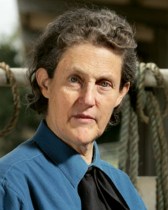
TGTemple Grandin

Diagnosed with autism at age 2, Grandin is a prominent and widely cited proponent of the rights of persons with autism and of animal welfare. Based on personal experience, Grandin advocates for early intervention to address autism and supportive teachers, who can direct fixations of the child with autism in fruitful directions. She is the best-selling author of many books and was the subject of HBO’s 2010 documentary, “Temple Grandin.”

Are there any special women in history that you would add to the list?

Posted in Uncategorized | Tagged , , , | 2 Comments

Absolutely Incredible Kid Day!

Celebrating its 19th anniversary, Camp Fire’s Absolutely Incredible Kid Day honors our nation’s youth by asking adults to write, post, tweet, and tag (#AIKD) notes of encouragement and inspiration to the incredible kids in their lives. It is a simple, meaningful way to let youth know how much they are appreciated. Lives are changed by this simple act of love and kindness._DSC1633

With this in mind, I decided to write a letter to my own absolutely incredible kid.

Ryan,

Did you know that:

  • You motivate me to get out of bed at 5:30 AM, when its -10 below to go to LECOM, because you’re already up and ready to take off
  • Your sweet exclamations of “You’re so pretty” make me smile on a day when I’ve had more challenges than I can count
  • I’m proud as I watch how you always remember the importance of being polite and considerate, whether it’s holding a door open, saying ‘thank you’ for each small item, or always asking how I’m doing
  • It brings me so much joy to see how much you enjoy exercising, skiing, swimming, and golfing
  • I smile to myself when you repeat the same question numerous times because I know that’s how you deal with anxiety

I’d encourage you to take part in Camp Fire’s Absolutely Incredible Kid Day and take a moment to celebrate and recognize the amazing kids in your life. You can also follow Camp Fire on Facebook, Twitter and YouTube to share the story of your #AIK with the world.

Posted in Uncategorized | Tagged , | Leave a comment