 Scientists and researchers are constantly uncovering more information related to autism, offering insights into the origins, possible causes and even at times potential cures. I come across dozens of articles on a weekly basis, some of which seem more important than others. After the positive response I received when I posted Top Research Stories of2014, I thought I would share on a monthly basis stories that caught my eye.
~ Maureen
Children Who Lose Autism Label Subject of New Research
Some children who are diagnosed with an autism spectrum disorder go on to lose that diagnosis, but according to their parents, that change is not because of treatment or the child’s maturity. Rather, health professionals often make a different diagnosis based on more information on the child’s behavior, often ADHD.
Read the full article here.
Poverty Affects Children’s Brains at a Crucial Time
Children from families below the poverty line exhibited “systematic structural differences” in their brains, with 7-10% less gray matter in the three tested areas than those children living above the poverty line. The participants below the poverty line also scored significantly lower on the academic achievement tests; the researchers estimate that 15 to 20% of this difference can be attributed to the differences in brain development.
Read the full article here.
Study Finds Way to Track Exposures That May Contribute to Autism
Autism researchers have found a promising new method to detect prenatal exposures that may increase risk for autism – and to do so years after the exposures occurred. They will now look for markers for less-obvious toxic exposures suspected to increase autism risk. These include exposure to pesticides, air pollution, plasticizers and maternal inflammation during pregnancy.
Read the full article here.
Novel Technique Shows How Autism Affects Social Brain
Brain areas linked to social behaviors are both underdeveloped and insufficiently networked in youths with high functioning autism spectrum disorder, according to research published in the journal Brain and Behavior.
Read the full article here.
Signs of Dyslexia May Be Present in the Brain from Birth
5 to 17% of all children have developmental dyslexia, or unexplained reading difficulty. When a parent has dyslexia, the odds jump to 50%. Typically, though, dyslexia isn’t diagnosed until the end of second grade or as late as third grade, when interventions are less effective and self-esteem has already suffered. A new study has found that the writing is on the wall as early as infancy—if only there were a way to read it and intervene before the academic, social and emotional damage is done. In 2012, the Gaab Lab showed that pre-readers with a family history of dyslexia (average age 5½) have differences in the left hemisphere of their brains, according to MRI results.
Read the full article here.
Tune in next month for an update on autism research!
Merry Christmas!

 As we approach Christmas, I began thinking about Christmases past. Ryan’s first Christmas was quite eventful. Erie was in the midst of the Blizzard of ‘93, and we were picking up my mother and driving to Uncle Joe’s house for Christmas dinner. Typically, it takes 45 minutes to get to his home – on this evening, it took one hour just to get to my mother’s home! There was no visibility, but we forged ahead in hopes that the weather would get better. By the time arrived, there were “No Travel” advisories on every TV station. Rather than risk driving off the road with a newborn baby, we turned around and drove home.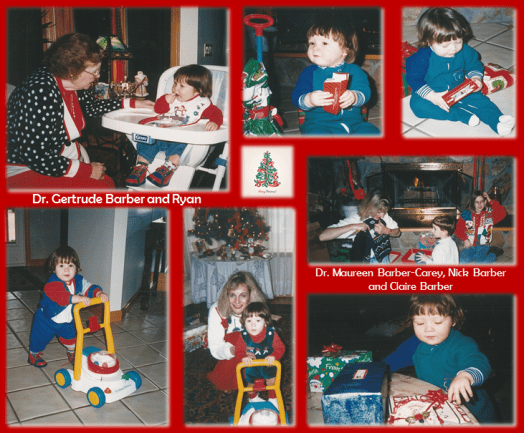

 This is always a favorite event of mine. Not only do we get to see the hard work and efforts of our students and staff, but because this is a wonderful day to celebrate the uniqueness of each of our students. As I have touched on in the past, there was certainly a time when students like ours were not celebrated for “being different.” Quite the opposite, they were hidden away in institutions or stayed at home with their parents with minimal contact with society at large.
 Over the years, I’ve developed strategies that help him calm down after events such as this. First, I talk to him about what occurred in general, omitting the morbid details as much as possible.
 These powerful words by the Secretary of the U.N. serve as the framework for the 2015 International Day of Persons with Disabilities. My initial thought was: how does sustainable development relate to persons with disabilities? Doing a bit of research, I found that there are three dimensions of sustainable development – environmental, economic, and social. It’s in the social dimension that most of us think about inclusion.
 Ryan was 4 months and starting Happy Hearts, the Barber Center child care program located down the street from our main building. Its close proximity provided me the opportunity to visit during lunch and check in on him. And then he celebrated his first birthday with a “party” with his fellow classmates.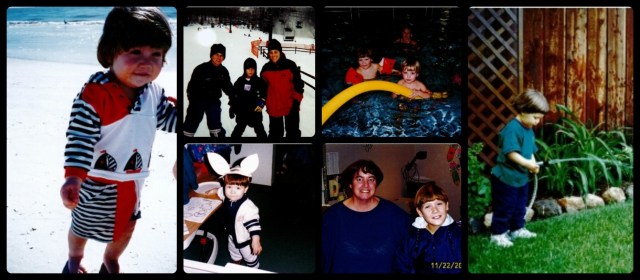


 All About Autism