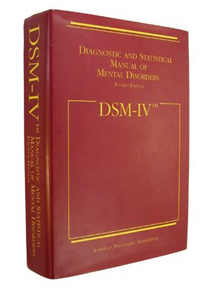
 The definition of autism has evolved over the years. I remember teaching (many years ago) when children who are now considered on the spectrum were diagnosed as “mentally retarded with autistic tendencies”. Then DSM-IV was published in 1994, and we began using the terminology including “PDD-NOS,” “High Functioning Autism,” and “Asperger’s.” Ryan was diagnosed in1995 under this version’s criteria.
The DSM has always been considered the “go to” when diagnosing. It carries weight because it’s one benchmark people use, diagnostically and in research, to identify autism. The new version, DSM-5, streamlines autism under one single umbrella disorder, which is believed to improve the diagnosis of ASD without limiting the sensitivity of the criteria, or substantially changing the number of children being diagnosed. Also, children and adults previously diagnosed under DSM-IV criteria will continue to be eligible for services. However, concerns remain on the implementation of DSM-5.
A recent study showed that 46% of toddlers diagnosed under the new DSM criteria no longer meet the autism diagnosis. The study looked at challenging behaviors of 3,300 children ranging in age from 17-37 months. The largest group was children who didn’t meet the criteria for ASD under the new DSM.
It’s still uncertain if and/or how the new diagnostic criteria will be a doorstop or helpful diagnostic criteria. What is certain is that it will affect children, families, therapists, teachers and insurance companies. As the effect of the new criteria unfolds, I am hopeful that educators, doctors and advocates will monitor the developments closely and work to make sure children and adults on the spectrum receive all the assistance needed to live an abundant, meaningful life.
If you or your child have been diagnosed using the DSM-5, please participate in a study being conducted by Autism Speaks: http://www.autismspeaks.org/what-autism/diagnosis/dsm-5/survey/individuals
Let’s continue to make dreams come true for all of our children!




 All About Autism