
October is an important month – it is National Bullying Prevention Awareness Month. While it is encouraging to see communities take a stand against bullying and to make people aware of the issue, the unfortunate reality is that one out of every four students report being bullied during the school year. And while this isn’t an issue that affects only children with disabilities, studies show that these children are two to three times more likely to be bullied than their nondisabled peers. Being bullied may also lead to problems later in life; children who experience bullying are at increased risk for anxiety, depression, and other mental and behavioral health issues. (Source)
There is no doubt that these statistics are upsetting; however, there is much that we can do to bring an end to bullying!
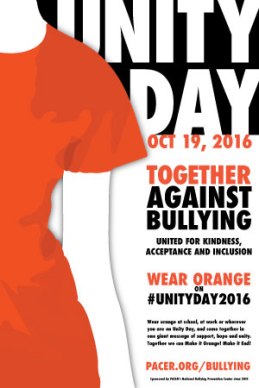 In your community, consider planning or taking part in an event that celebrates Unity Day. Held this year on Wednesday, October 19th, Unity Day is a chance for communities to stand united for kindness, acceptance and inclusion. Participants wear orange as a way of visually demonstrating solidarity. You may also choose to hold a local walk or run in your town. This is a wonderful, family-friendly way to show your community’s commitment to keeping students safe while at school, in the community, and on-line. The event can be accompanied by pre-and post- activities such as games for kids, speakers, music, prizes and dance.
Both at home as well as at school, you may decide to share some resources with your children to help them understand what they can do if they see bullying occur. There are a number of wonderful resources online – here are just a few to choose from!
- “You Are Not Alone” Toolkit http://www.pacer.org/bullying/yourenotalone/event-toolkit.asp
- gov offers a series of fantastic cartoon videos designed for children to learn about bullying: https://www.stopbullying.gov/kids/webisodes/
- “Project Connect” http://www.pacer.org/bullying/classroom/schoolwide/project-connect.asp
- Safe Schools’ Bullying Prevention Toolkits http://www.safeschools.info/bp-toolkit-guides
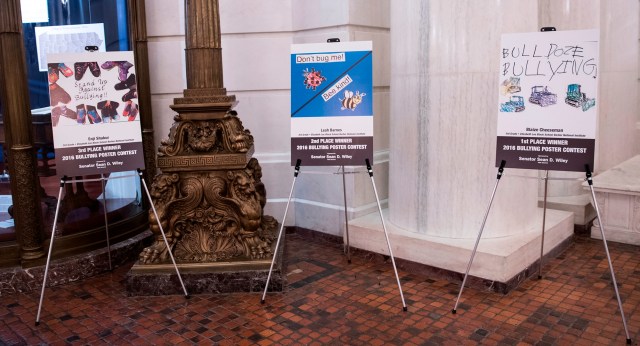
At the Elizabeth Lee Black School, teachers do a wonderful job of incorporating anti-bullying lessons into their plans during October. Students also participate in a state-wide Anti-Bullying Poster contest. This year, three of our students were the lucky recipients of the first, second and third place awards for their posters! They are on display in the Rotunda room at Capitol Hill!
 While knowing the signs and symptoms of mental or emotional health issues is of course critical, equally as important is knowing where to get help. How common are mental health issues?
 .
.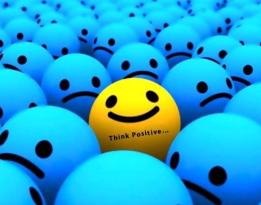 It’s too easy to be a negative thinker these days. The headlines of the newspapers often focus on controversy and conflict in the United States and overseas. Page after page of troubling stories can make you think, “There’s nothing happy in the world anymore.” Unfortunately, turning on the news programs shows much of the same. So, what can we do?
 At ELBS, we’ve been embracing the Positive Attitude month as more of a year-long theme. Emotional well-being of our faculty and students is our first priority. We brought in a guest speaker to help us begin this journey. Our next step is to develop a school-wide Positive Behavior Supports plan. I’ve also begun emailing staff bi-weekly with a short note that shares a resource, quote, a book, etc., that has inspired me to work on positivity and kindness.
 As I read that September is National Preparedness month, I began thinking about what parents of children with disabilities should be thinking about and planning for in the event of an emergency. Certainly, there are lots of different types of emergencies. One immediately considers natural disasters such as hurricanes, tornadoes and flooding. But even smaller scale events can have the feel of an emergency if you aren’t prepared. For example, often our power goes out during a thunderstorm. If it’s dark outside, the house becomes pitch black in an instant. Candles aren’t a consideration, as they are too easily knocked over. So I went out and purchased some battery-operated lights that I keep in all of our rooms. This way, instead of panicking in the dark, I am prepared.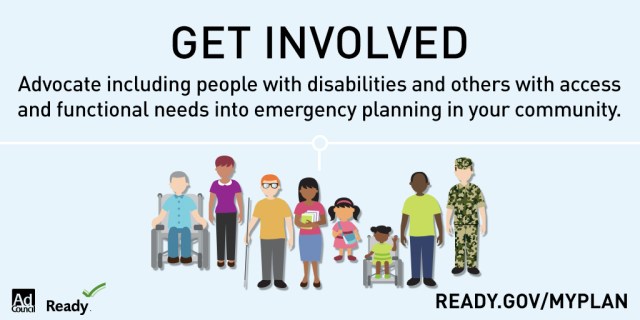
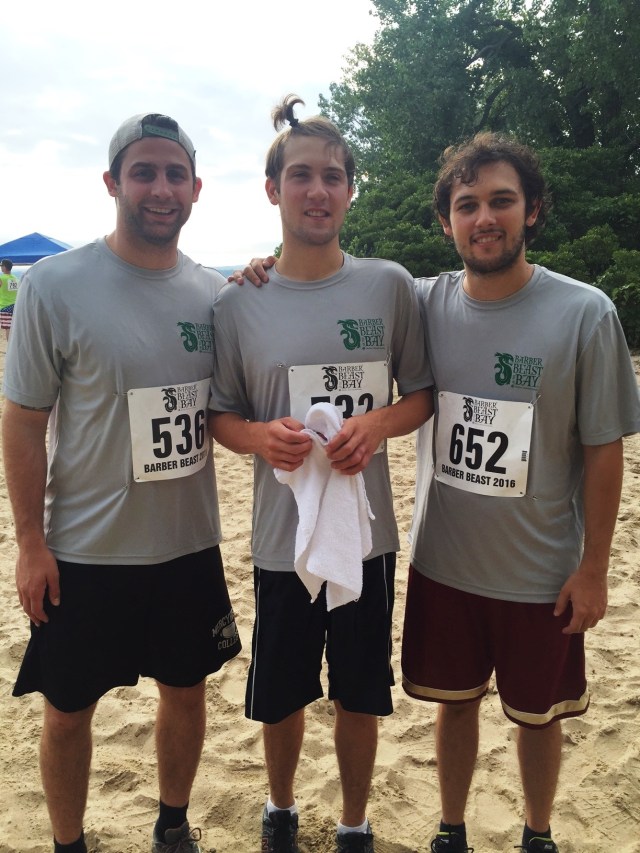
 This past Saturday was our fourth annual “Barber Beast on the Bay.” For those readers who are not from the Erie area, the Beast on the Bay is an adventure obstacle course challenge that includes natural and manmade obstacles on Presque Isle State park. The annual event helps support the Barber National Institute and its work with children and adults with disabilities and behavioral health challenges.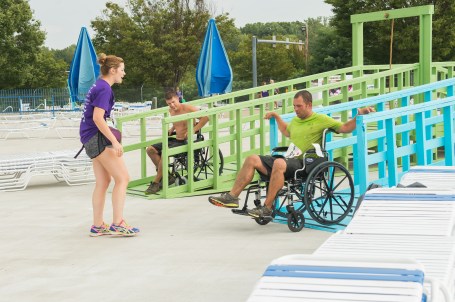

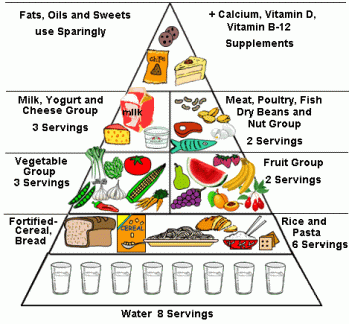 Unfortunately, some medications can contribute to weight gain and physical limitations can reduce a child’s ability to exercise. There is no easy fix for these restrictions, but I would suggest you talk to your physician as well as your child’s team at school for their suggestions and ideas on these challenges.
 Scientists and researchers are constantly uncovering more information related to autism, offering insights into the origins, possible causes and even at times potential cures. I come across dozens of articles on a weekly basis, some of which seem more important than others. I thought I would share on a monthly basis stories that caught my eye.


