Scientists and researchers are constantly uncovering more information related to autism, offering insights into the origins, possible causes and even at times potential cures. I come across dozens of articles on a weekly basis, some of which seem more important than others. I thought I would share on a monthly basis stories that caught my eye.
~ Maureen
 Brain scans may forecast effectiveness of autism treatment
Patterns of activity in the social brain predict how much a child’s autism features will improve after a behavioral therapy called pivotal response treatment, according to a new study. The study is small, but the findings hint that brain scans, or an equivalent technology, could help clinicians select the most promising treatment for a child with autism.
Read the full article here.
https://spectrumnews.org/news/brain-scans-may-forecast-effectiveness-autism-treatment/
Robots spark social play in children with autism
In the past couple of years, dozens of children visiting the Yale Child Study Center have played with a green and wide-eyed robotic miniature brontosaurus called Pleo. These are children with autism, who normally have tremendous difficulty communicating with other people — but they eagerly interact with the robot.
Read the full article here.
https://spectrumnews.org/news/robots-spark-social-play-in-children-with-autism/
Study links heightened stress reaction to autism-related GI problems
Chronic gastrointestinal problems are unusually common among people who have autism. Now, researchers in the Autism Speaks Autism Treatment Network report evidence that these painful issues correspond with a heightened hormonal reaction to stress. While more study is needed, the finding raises hope for more effective treatment options.
Read the full article here.
Rapid brain growth in infancy may signal autism
The faster the brains of children with autism grow in their first year of life, the more severe their autism features are likely to be at age 2, according to a study published today in Nature. This rapid growth can in fact predict whether a child will later be diagnosed with autism. The findings point to a possible biomarker that could help doctors identify autism in infants —two to three years before the typical age of diagnosis.
https://spectrumnews.org/news/rapid-brain-growth-in-infancy-may-signal-autism/
Tune in next month for an update on autism research!
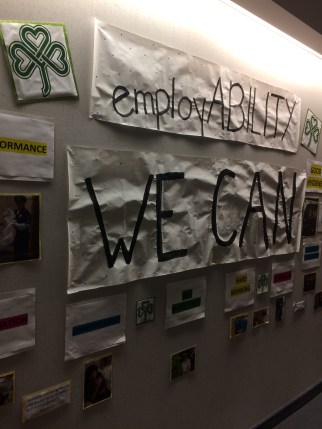
 Started in 2012, Digital Learning Day has provided a great opportunity for schools to showcase their innovative technology programs and share all of the creative ways they use technology in the classroom. More than just a chance to celebrate technology, it’s a chance to celebrate learning.
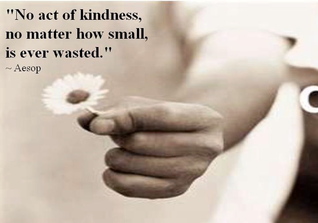

 I recently read an article that discussed the benefits of optimism and the possible correlations between an optimistic outlook and physical health. Researchers measured physical health outcomes in a variety of different compromising health issues, including cancer, heart disease, infections, diabetes, kidney failure, and more. They found that better health was in fact tied to optimism – some studies even point to a longer life span in people who are generally optimistic!
 Of course, although we bring an abundance of love and care with us to this “job,” I think few would disagree that being a caregiver is also a challenging job. Each of us has experienced “burnout,” a time when the emotions associated with caregiving surface and cause a person to become overwhelmed, or worse.
 Are you a mentor? What does it mean to be a mentor? I would suggest that mentors come in all shapes and sizes; they can be a parent, a teacher, a coach or a volunteer who pours his/her time and expertise into helping young men and women develop to their fullest potential. Nobody succeeds on their own; every young person’s strength and resilience is fostered by those who have taught them they can do anything they put their mind to.
 s I grew older and began working at the Institute, there were many professionals and para professionals who graciously offered me guidance and helped me to grow. Now, many years later, I consider it a privilege to be able to mentor the many young students and professionals who come to our school ready to begin a career in special education. In this way, I’m continuing to carry on Dr. Barber’s vision for the Barber National Institute by echoing her beliefs today.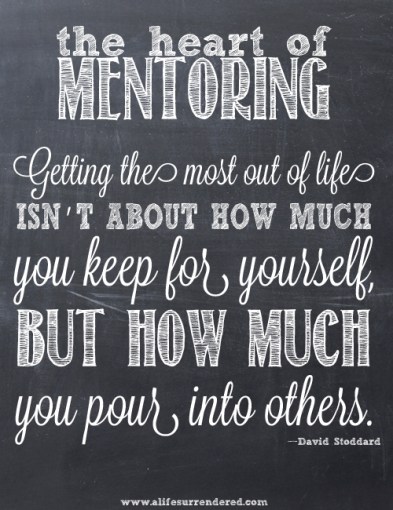
 “Come right back and be sure not to talk to strangers!”
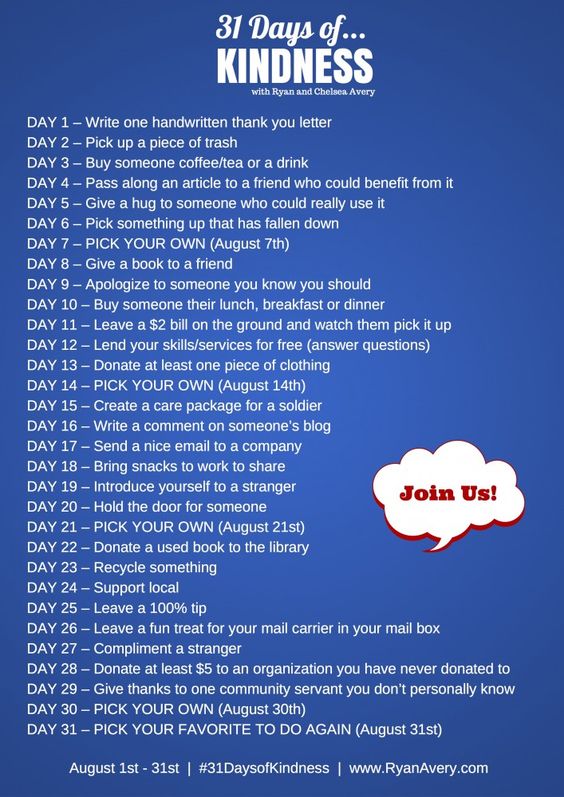 (Note: As you can see, this challenge was designed in August, but you can easily adapt it for any month! Source: