
A few weeks ago, I wrote a blog, How do we talk to children about the news?, on talking to children with special needs about the racial unrest, riots and police violence.
I received many comments and questions from parents who were wondering, as I, how to deal with these topics.
First and most importantly, I do want to emphasize that you know your child best and his/her ability to deal with these serious issues.
I would start with your child’s developmental level. If it is within the age range of 3-5, you can begin discussing racial differences in a very positive way and how we truly are fortunate that the world is made up of so many different kinds of people.
 With elementary-aged children, you can have a conversation about violence against African American people without being too explicit. As I told Ryan, there were some policemen who made bad choices because of the color of someone’s skin. Most police are community helpers, but these persons were not. This can lead into a discussion of how unfairly people with black and brown skin have been treated throughout our history. People who protest are good people who want everyone to be fair, though unfortunately, some protesters are vandals and are interested in stealing what does not belong to them.
To provide further help to families, I have been investigating books to have in your home library to help you tell the story about race and racism.
I have grouped them by age:
Ages 0-3
- Ezra Jack Keat’s books about Peter
- “The Snowy Day”
- “A Letter to Amy”
- “Hi, Cat!”
- “Whistle for Willie”
Ages 3-5
- “Saturday,” written and illustrated by Oge Mora
- “hair Love,” by Matthew A. Cherry and illustrated by Vashti Harrison
- “We’re Different, We’re the Same,” by Bobbi Kates
Ages 5-8
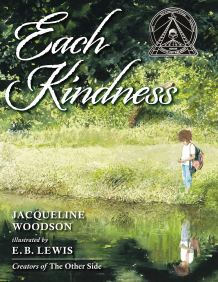
- “Each Kindness,” by Jacqueline Woodson and illustrated by E.B. Lewis
- “The Youngest Marcher,” by Cynthia Levinson and illustrated by Vanessa Brantley Newton
Ages 9-12
- “Resist: 35 Profiles of Ordinary People Who Rose Up Against Tyranny and Injustice,” by Veronica Chambers and illustrated by Paul Ryding
- “Not My Idea: A Book About Whiteness,” written and illustrated by Anastasia Higginbotham
Ages 12+
- “All American Boys,” by Jason Reynolds and Brendan Kiely
- “Stamped: Racism, Antiracism, and You,” by Jason Reynolds and Imbram X. Kendi
However, I truly believe that books cannot be the end of your child’s education about race and racism. We as parents must be the models for the attitudes, behaviors, and values that we wish to see in our children.
Do you have any resources to recommend?
 Rachel Cheeseman is a 2nd degree black belt and has studied the martial arts for the past 28 years. She founded Street Smart Self Defense Academy in Erie, PA 17 years ago to empower women, due to the rape of her sister in her off-campus college apartment. She is a certified instructor for the national full-contact self-defense program called “Model Mugging” and a certified instructor for the MUNIO Self Defense Workshops. Rachel is also a member of and former seminar instructor for the American Women’s Self Defense Association, and she has been inducted into the USA Martial Arts Hall of Fame, Action Martial Arts Magazine Hall of Honors and the World Karate Union Hall of Fame.

 If two heads are better than one, think about the painting that four artists could create if they worked together.

 I then began to think about police violence. In our lexicon, the police are a community helper, someone we turn to if we should get lost or need help. I explained that unfortunately, there may be policemen and women who make bad choices and do not follow the laws. They may be aggressive and hurt someone. For doing this, they will go to jail for the rest of their lives. Almost all police men and women are kind people, but there may be a few who are not and they commit crimes. We don’t know anyone like that and we probably never will, but it can happen.


 All About Autism