I have written many blogs this past year on the health and safety requirements for our students. Last Friday, the Centers for Disease Control and Prevention (CDC) updated their mask guidance for schools. In this update, they stated that:
Vaccinated teachers and students no longer must wear masks inside school buildings.
Unvaccinated individuals including young children should still wear masks and maintain three feet social distancing. Currently, children twelve and under are unable to be vaccinated.
Despite the new guidance, some states including Rhode Island, Iowa and Texas have dropped mask mandates, while others like California are continuing to require masks for the 2021-22 school year. Other states, such as Oregon, New Jersey, and Connecticut, are allowing individual school districts to determine whether students and staff are to wear masks.
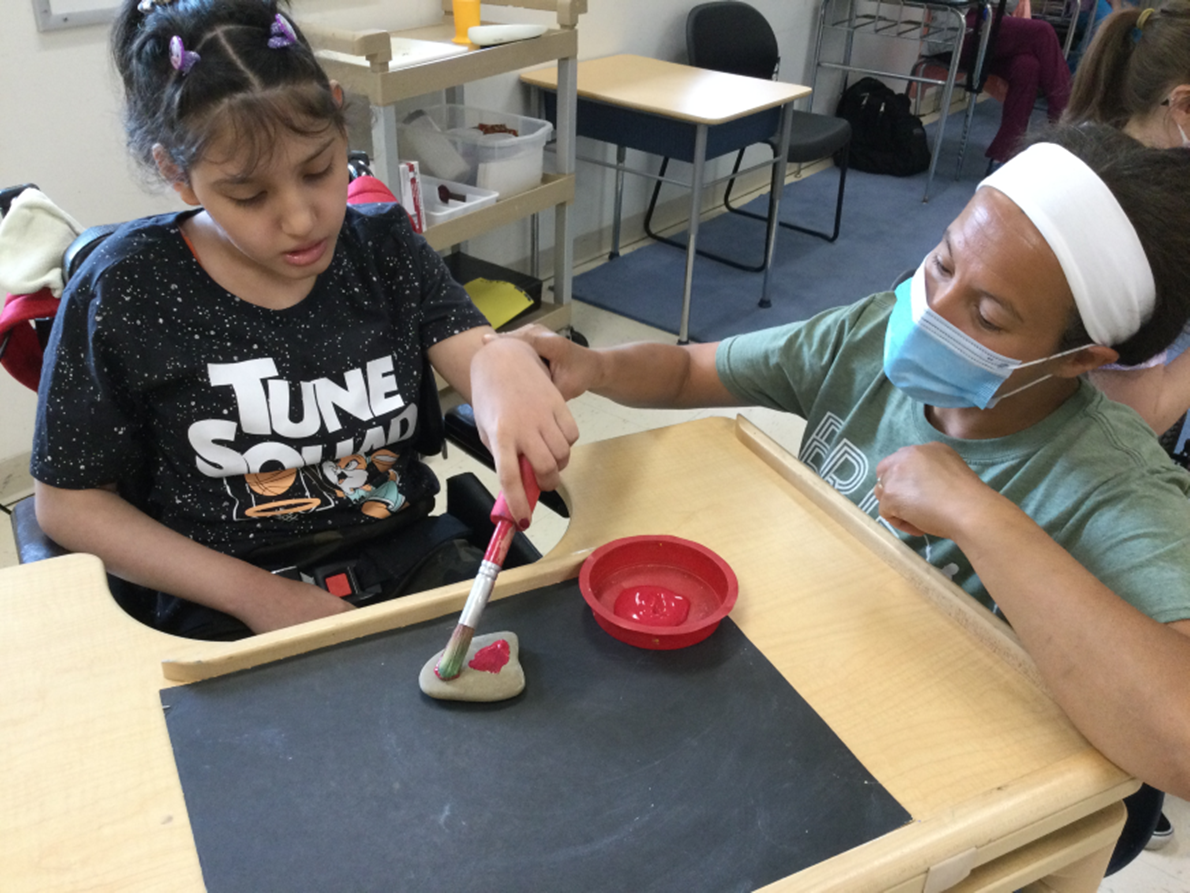
At the Elizabeth Lee Black School, we are maintaining our current position on mask wearing and social distancing as we await further guidance from the Pennsylvania Department of Education (PDE). This means that all students and staff will continue to wear masks and maintain six feet social distance as outlined in our Health and Safety Plan. Furthermore, we still require daily temperature checks of our staff and continue to ask parents to check their child’s temperature each morning.
The health and safety of our students, their families, and our staff are paramount as we continue our Extended School Year programming and begin planning for the 2021-22 school year.
Governor Tom Wolfe signed Act 66 of 2021 into law on June 30, 2021. Act 66 allows students in Special Education who were enrolled during the 20-21 school year and have “aged-out” of school (by either turning 21 during the 20-21 school year or before the beginning of the 21-22 school year) to attend school during the 21-22 year and receive services as outlined on their most recent IEP.
These students are referred to as “staying an additional year.” Also, parents of children in K-12 can make the decision if they wish for their child to repeat a grade level. These provisions are to make up for any lost educational opportunities due to COVID-19 pandemic. This does not apply to preschool as preschool is not a grade level.
In the past, the decision to repeat a school year was made by the school districts and the teachers who were in consultation with the parents. However, as so many students were remote this year and saw their teacher only via a screen, it makes sense to have parents determine what is the best course of action for their child. For the students in Special Education, the last year of school is vital as it is when the students prepare to transition into the “real” world of employment. Certainly, with the goal to have the students experience success after school, this additional year should have positive outcomes for all.
Each month, I provide updates on some of the latest research I have found relevant to us. Read on!
Brain structures grow differently in boys, men with autism
From childhood to adulthood, there is a notable difference in brain development in males with autism. Over the span of 16 years—2003 to 2019—researchers completed up to five brain scans of 105 males with autism and 125 males without autism. Throughout the course of the study, 73 percent of the participants with autism and 50 percent of the participants without autism underwent all five scans.
Results showed that while boys with autism tended to have more gray matter in early childhood, by age 12, they had a similar volume as the boys without autism. However, their ventricles, which produce and transport cerebrospinal fluid throughout the brain, begin as the same size in early childhood, but tended to expand by age 21. The corpus callosum, a band of nerve fibers that connects the brain’s two hemispheres, also tended to grow more slowly and be smaller by age 36 than that of those without autism.
Study reveals long-term language benefits of early intensive behavioral intervention for autism
Early Intensive Behavioral Intervention (EIBI) programs are an encouraging answer for improving language outcomes in children with autism, suggests a recent study. This was the first research study to explore how long-term EIBI programs affect language outcomes. Researchers collected language measures from 131 children with autism throughout their time in the EIBI program.
Results showed that children receiving EIBI made significant increases in language compared to children not in EIBI. Improvements in language grew even greater if children began EIBI at an earlier age.
Brain activity patterns may distinguish girls with autism
New findings lend support to the idea that autism has sex-specific biological roots. Researchers scanned the brains of 45 girls with autism, 47 boys with autism, and an equal number of girls and boys without autism. All participants were between 8 to 17 years of age.
The research team examined DNA samples for rare mutations in the participants’ genes, focusing on the size of copy number variations (CNVs), which are duplications or deletions of stretches of a chromosome. Girls with autism had larger CNVs on average when compared to boys with autism. This result supports the theory of the female protective effect, which suggests that girls need to inherit more genetic factors of autism than boys do to show traits of the condition.
Alexithymia, not autism, may drive eye-gaze patterns
A new study suggests that eye-gaze patterns are driven more by alexithymia than by autism. Alexithymia is a reduced or complete inability, to produce, detect or interpret emotions. In the study, 25 participants with autism and 45 participants without autism watched short videos of people showing a neutral expression followed by an expression of one of five emotions: happiness, sadness, anger, fear or disgust.
Sometimes the participants were told in advance which emotion they would see. In those instances, gaze patterns became more unpredictable in participants with higher levels of alexithymia. Participants with more alexithymia traits also looked at eyes less often than people with fewer traits did.
Enzyme blockers may counteract excess protein levels in fragile X syndrome
Fragile X syndrome is the most common genetic cause of autism and intellectual disability. In a new study, the development of brain cells in males were partially stabilized by trial medications that prevented enzymes in engaging in protein production. Previous methods targeted cell surface receptors and failed in clinical trials. This new medicine blocks a specific component on a cell-growth enzyme, PI3K. It remains unclear if the findings will apply to females with fragile X syndrome.
The Barber National Institute has been offering the Pre-K Counts program for fourteen years in Erie and Corry.
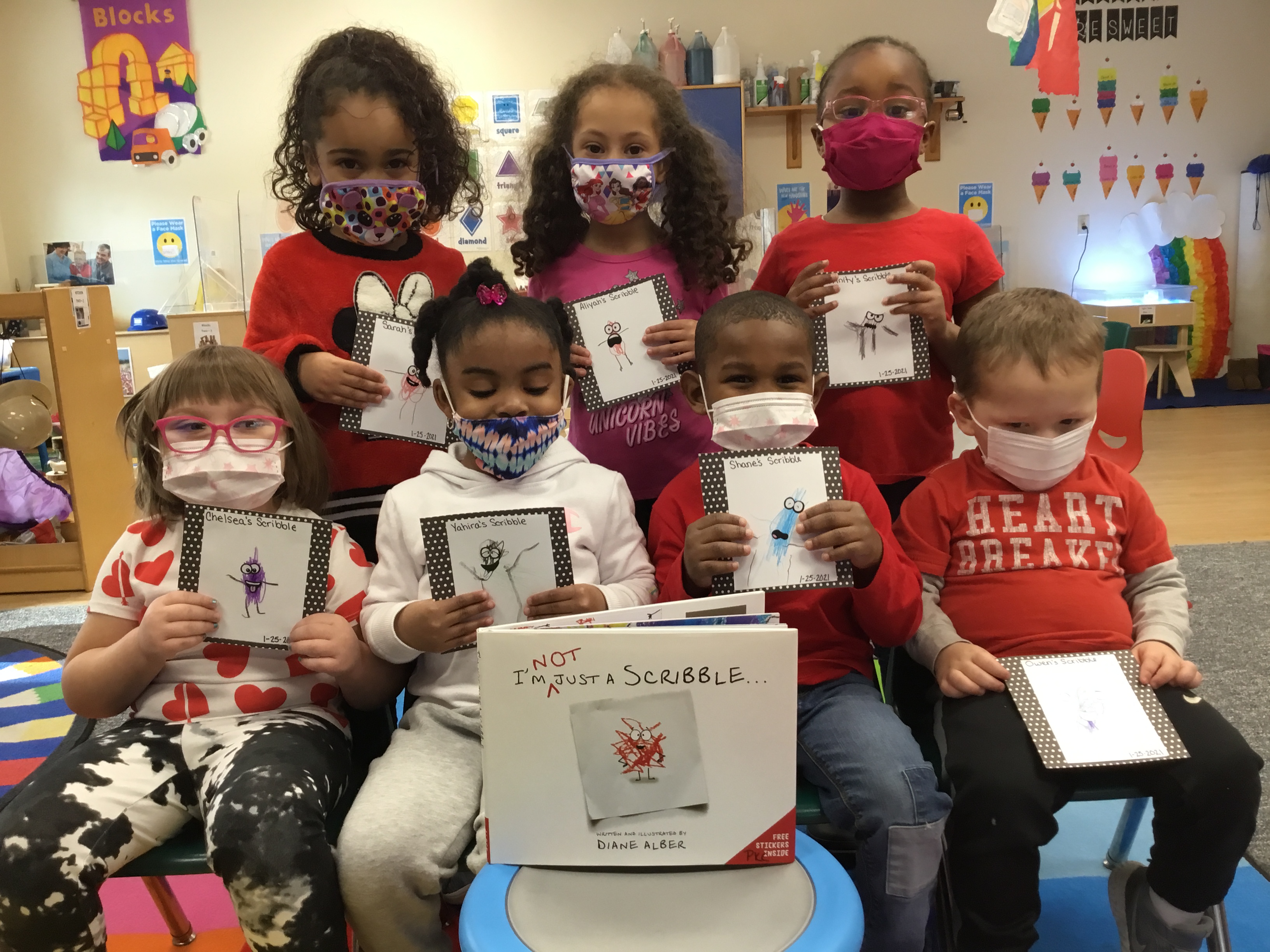
The program is designed for children three to five years of age who may be considered “at-risk” because of the family’s economic, language, cultural or other circumstances which may prevent the child from developing the skills necessary to enter kindergarten ready to learn.
We have seen many outstanding results as the children have progressed through the program and have numerous anecdotal comments from families about their child’s later success in school.
So, I was very interested in reading about the New Jersey Abbott Preschool Program longitudinal effects study through tenth grade. Twenty years ago, the New Jersey Supreme Court Abbott v. Burke mandated that the state establish high-quality preschool education in the thirty-one highest poverty school districts. Many of the features of their program are similar to Pennsylvania’s Pre-K Counts program.
Access to low-income families.
High expectations for learning
Teachers with four-year degrees and paraeducators with a minimum of associate degrees
Full day throughout the school year
No parent fees
Their program is offered in a mixed delivery system including Head Start, public and private schools. The Pennsylvania program is overseen by the Office of Child Development and Early Learning (OCDEL) whereas the school districts oversee the New Jersey program.
The study looked at initial effects at entrance to kindergarten based on individualized assessments and effects on statewide assessments from grades three through ten. The achievement effects were smaller in grades three through ten than at kindergarten entry but did not “fade out” and remained substantial through grade ten in language arts, literacy and math.
Attending the program for two years beginning at age three had roughly twice the effects of achievement as one year at age four.
Grade retention was fifteen points lower through grade ten and there was a seven percent point reduction in special education.
As we hear more and more discussion of universal preschool, I would think that Pennsylvania and New Jersey could serve as model programs for our nation.
Some people think of the lazy days of summer, but at the Barber National Institute, we’re actually busier than ever! Over the years, we have initiated a number of programs to ensure that children have both educational and recreational opportunities throughout the summer.
Happy Hearts Childcare
Working moms and dads don’t have the summer off to play with their children. Happy Hearts offers childcare early morning through late afternoon for ages 3-5. Weekly fieldtrips, arts and crafts, STEM, and lots of fun activities ensure children have a great time!
Early Intervention
Ideally, many children with developmental delays benefit from year-round education. At BNI, we offer a summer component with short breaks so that the children do have a “summer vacation” but not the traditional 3 months of summer. The children continue to receive educational services specified on their Individual Education Plans (IEP) including speech therapy and physical therapy.
Extended School Year (ESY)
For children 5-21 with disabilities, a 5-week summer program is provided to assure that children do not lose the skills that they have acquired during the school year. Services on a child’s IEP are continued throughout ESY.
Camps
BNI offers four distinct camps:
Learn to Ride Bike Camp is a 4-week program to help children develop skills to ride their bikes independently. The program is open to children 6 years of age and above who have not been successful riding without training wheels.
Camp Connections is a social skills development program for children and adolescents with a diagnosis of autism developing interpersonal skills, managing emotions, and making good decisions.
Camp Shamrock focuses on development of recreational skills for children with disabilities.
Expanding Social Opportunities (ESO) Camp is similar to Shamrock but is offered to young adults 18 and over with intellectual disabilities.
Today is graduation. Traditionally, we have a large graduation class and of course, an audience. This year, we have twenty-seven children graduating from Happy Hearts and Early Intervention, twelve from Pre-K Counts, and thirteen from High School.
Last year, we had a drive by event as our school was closed. Usually, we have 400+ people in the attendance, however since we would be required to limit size, we decided to break into three groups and hold the event outdoors. So today we had three ceremonies, one at noon, 2:00 PM and 6:00 PM. The weather looked questionable, but we kept our fingers crossed and kept praying to Dr. Barber. We successfully completed the noon session with raindrops only at the end. The 2:00 PM session will be happening momentarily …and it is not raining! We will have to see what transpires for the 6:00 PM???
Graduation is both happy and sad for us. We are happy that our students are moving on, but we are sad to say goodbye to these children who we have come to know throughout the years, and the parents with whom we have had the good fortune to work with as part of our team.
When Dr. Barber established the Barber National Institute 70 years ago, it was to ensure that all children and adults had every opportunity to go to school, get jobs, and become active participants in the community. Each of our graduates have met their goals through hard work, diligence and dedication. We are proud of what our students have accomplished and are inspired by each of them.
As the 2020-2021 school year comes to a close, I began thinking…
When the year started, some children were remote, while others were hybrid, attending two or three days a week. The students and staff remained in their “pods,” or classrooms, throughout the day. Since our class size is small with only eight students per room, with hybrid and remote programming there were only two or three children with the staff each day. Furthermore, to limit interactions outside of the classroom, the therapists and ancillary teachers (art, physical education) went to the rooms, and breakfast and lunch were also delivered and served in the classroom. Temperatures were taken upon entrance to school each day and children with any of the potential COVID-19 symptoms were isolated, sent home, and then quarantined for two weeks.
So where are we now, on June 2, 2021?
Most of the children are attending full time in class unless the parents prefer remote instruction. We are still in our classroom “pods,” but students do venture out to go to the gym and playground.
Temperatures are still taken upon arrival and we monitor the children for any symptoms.
I am thrilled to report that more than 80% of our staff are vaccinated. We have had very, very few cases of COVID-19 among our staff and less than .01% among our students. The extensive mitigation procedures and modifications worked, and our staff and students were able to stay safe. I am thoroughly proud of our staff and families who embraced technology and virtual learning. Evidently it worked, as very few of our students experienced a loss of skills.
We anticipate (and hope) that there will be revisions in the health and safety requirements for schools for school year 2021-2022 and we look forward to these changes. We plan to see our students fully engaged in school and therapies, and again be able to walk our halls. I do miss the children’s laughter!
I am looking forward to the 2021-2022 school year, and I know our parents and staff are, as well.
I appreciate the support of our staff, students, and our community as we met the challenges of COVID-19! It was quite a year!
I asked Maria Brown, M.S., BCBA, who is a Behavior Analyst at BNI to write this guest blog for Mental Health Awareness Month. I thought she would have invaluable input!
-Maureen
The Elizabeth Lee Black School at the Barber National Institute (BNI) has a unique program that treats children with dual diagnosis. This program is the Children’s Mental Health Partial Hospitalization program (CMHPHP). The individuals enrolled in this program have a developmental disability as well as a Mental Health diagnosis. The mental health challenges this program treats include anxiety, conduct disorder, attention deficit/hyperactivity, obsessive compulsive disorder, and other mood disorders. It can be particularly difficult to find appropriate treatments and interventions that adapt to the abilities and individual needs of these children.
This past year has been a challenge to all of us, considering COVID-19 restrictions, remote instruction, and all the precautions necessary for everyone to stay safe in this pandemic. Individuals with a mental health disorder can find these changes and restrictions even more difficult. Many children who have never had a mental health disorder are finding themselves experiencing emotional challenges during this pandemic. With all these changes to routine and environment, it does not need to be said that the children in the BNI CMHPHP have had unexpected changes in their mood that effect their overall functioning and mental health.
Despite these challenges, these children have come back to programing with more skills, better coping abilities, and supports that they would not have had access to if the COVID-19 pandemic had not occurred. During remote instruction, our children have learned how to attend to instructors, screens, and their parents to receive Mental Health treatment and educational instruction. Children who normally cannot sit for more than a few minutes have developed patience through technological issues and have increased their ability to complete work more independently. Our students have worked through and overcome sensory issues with wearing masks and more frequent cleaning and sanitizing procedures. We have even adapted to a different way to greet others, using elbow bumps in place of hive fives or hugs. This physical contact can be especially important for our children with mental health needs to keep their spirits high and support their emotional needs.
The most impressive positive effect of this pandemic is the increase in the children’s flexibility and ability to adapt to change. They have dealt with unexplainable stay home orders, return to in person instruction, transitions to hybrid instruction, and return to full programing. Most of our children have done this with very little disruption to their mental health symptoms or increases in disruptive of unsafe behaviors. Much of this success is attributed to the parents of the children in the program. These parents have learned skills teachers and therapists use in the classroom that they would not normally experience. Teachers, therapists, and parents have worked together to help the children develop replacement skills and work through emotional outbursts. This pandemic has brought many challenges to everyone, but for the children in the BNI’s CMHPHP we can also claim some success for the children and their parents in developing skills that will be lifelong tools to battle mental health issues and increase their success in the community.
Maria Brown is a Board-Certified Behavior Analyst who has worked at the Barber National Institute for the past 19 years. Her focus is helping students’ social emotional health and developing lifelong skills. Maria has presented on several topics in the Special Education field and is currently dedicated to helping train future Registered Behavior Technicians and Board-Certified Behavior Analysts.
Two years ago, the Barber National Institute (BNI) began a collaboration with the General McLane School District opening a Life Skills classroom within Parker Middle School for children with Autism and/or behavior challenges. It was our first venture into offering a classroom within another district’s building, and it was a great success – so much that Michael Cannata, Special Education Coordinator of the General McLane School District, again approached us to develop a Therapeutic Support classroom at McKean Elementary. The classroom opened at the beginning of this school year.
McKean Elementary
Why a therapeutic classroom? General McLane staff were serving elementary-level children with social-emotional learning (SEL) issues that resulted in externalizing behaviors, such as aggression and elopement. Often, students were referred to short-term out of district placement. However, General McLane saw this as a “band aid” approach and hoped to create an environment where the children would be taught the skills they needed for success within the regular education curriculum.
A Barber National Institute teacher, paraeducator and Behavior support staff are the classroom team, who work with General McLane personnel. The focus of the classroom, SEL, develops mindsets for success, social skills, and learning strategies that both promote positive mental health and student behavior as well as increase academic achievement. Due to the impact of COVID-19, SEL is extremely important now more than ever.
As Mr. Cannata explained, BNI staff are specialists. “When you are having a heart problem, you go to the cardiologist. These are behavior specialists who are experts in the field, so we find it very valuable to have a working relationship.”
Since the opening of the therapeutic classroom, there have been significantly less problem behaviors, zero rates of outside placement, no crisis phone calls to parents, and no hospitalizations. Students are learning positive replacement behaviors, such as coping skills, emotion regulation, and functional communication. Overall, disruption of the school community has decreased, and all students have a more consistent environment in the elementary school.
A win/win for BNI and General McLane School District!
Nurses have always played an important role in my life. My grandfather was the first male nurse at St. Vincent Hospital, and went on to become a physician. My Aunt Marion (Dr. Barber’s sister) was the Director of Nursing by day at St. Vincent, and at night was the caregiver of neighbors in need on Erie’s East side (then known as “Kingtown.”)
Aunt Marion was certainly a mentor for my late sister JoAnne, who knew that she wanted to be a nurse even as a preteen. To my Dad, a nursing degree meant that JoAnne could not go to St. Mary’s College, but she could go to Georgetown. JoAnne loved being the Litchfield school nurse, and often shared stories of helping children and families.
And so, as we celebrate Nurses Appreciation Week, I’d like to take a moment to recognize the Elizabeth Lee Black School nurses, Ellen Danowski and Kathy Babins. I know that we are fortunate to have such dedicated, caring nurses in our school. Ellie and Kathy can always be counted on to respond to student’s medical needs calmly, with expert nursing care and a smile.
Kathy Babins and Ellen Danowski
ELBS is unique in that we educate students from 22 school districts, many of whom have multiple, complex disabilities that require specialized treatments. Some students have a seizure disorder, so we know that when we hear a “Code Red” – our nurses are responding to a call for emergency treatment. Of course, our nurses complete semi-annual height, weight, and eye assessments along with dental exams, in addition to the numerous demands throughout their day.
The health and safety of our children are paramount. Thus, our nurses constantly communicate with our team, our families and other medical providers to ensure continuity of care. When I asked Ellie and Kathy about their role at the ELBS, they commented:
“Working for the Elizabeth Lee Black School is one of the most rewarding career paths we have found in our nursing careers. Being able to support the students both physically and emotionally is just one small part of our job. Experiencing the love the children have to give make all the paperwork and hard days worth it. We try our best every day to make a positive difference in their lives.”
On behalf of our students and faculty, thank you Ellie and Kathy for everything you do to help make dreams come true for our children and their families.