Building Bridges and Opening Doors: The Enduring Legacy of Dr. Gertrude A. Barber Continues 

Let the festivities begin! Friday, September 20 is Founder’s Day, a celebration held each year in honor of Dr. Gertrude Barber’s birthday and to commemorate our enduring mission. On this day, I often reflect on her accomplishments. 

If we take a look back in time to the year 1952, services for persons with disabilities were nonexistent.  As an Erie School District psychologist, it was Dr. Barber’s responsibility to tell parents that their son or daughter could not attend school because of their disability. Parents were left with two options: send their child to an institution or keep them at home. 

Both she and the children’s families wanted so much more – thus began the Barber Center. 

There wasn’t any funding in the early years. The program was supported by ice cream socials, card parties, and raffles. Dr. Barber used to say that all of their money could fit in a cigar box – and it did! It wasn’t until the mid-’60s that state funding finally became available through the MH/MR Procedures Act, as well as the Department of Education. Fortunately, our programs were already in place and could be immediately funded. One such program was our school. We were designated an Approved Private School, serving children whose school districts could not provide an appropriate education. We were many years ahead of others in the field.  

Much growth happened in the ’70s and ’80s. 1972 saw the first men and women return to Erie from Polk State Center on a yellow school bus carrying their life’s possessions in a brown paper bag. Most of them had been sent to Polk as young children because the belief at that time was that children with disabilities were best taken care of away from their families and in the institution. These 30 people were the beginnings of our community living programs. A groundbreaking ceremony was held for our new therapeutic swimming pool and our physical and occupational therapy facilities. 

We established an adult rehabilitation, employment, and training center, additional classrooms in our school, an Inclusive Day Care program and a Child Development Center. At times, it seemed as if our facilities could not grow fast enough to meet the needs of the community. By the ’90s we were ready to expand across the state and opened residential services for adults in Philadelphia. Not too long after, we opened the same services in Pittsburgh. 

Project 2000, Dr. Barber’s ultimate quest, was our first major capital campaign since 1966. This funding would provide a new school and facility for training. $7 million later… Dr. Barber announced the Project’s success!! 

Dr. Barber’s dream was that children and adults with disabilities would be able to learn and grow in their own community, in which they would find acceptance and opportunity. This vision has changed the lives of thousands of children and adults over the last 70 years. Through her example and leadership, she transformed a system. But even more significantly, she changed attitudes about people with disabilities. 

Following her passing, a group of those who knew Dr. Barber formally appealed to Bishop Lawrence Persico of the Diocese of Erie to begin the cause for canonization. In December 2019, Bishop Persico issued a decree opening the cause for canonization. Monsignor Thomas McSweeney was appointed diocesan postulator for the cause and is the point of contact for gathering of documents and interviews with anyone who is willing to discuss their interactions with Dr. Barber during her lifetime. This testimony will become part of the official documentation considered during the canonization process, all which will eventually be sent to the Vatican.  

Dr. Barber herself said it best: 

“Our focus has continued to be a mission of faith, hope, and love – to open the doors where they were closed – to bring sunlight where there was darkness – faith where there was despair. 

Let’s always lead with a mission to open doors.” 

Dr. Gertrude A. Barber, 1995 

Posted in Uncategorized | Leave a comment

Celebrating the Important Role of Direct Support Professionals 

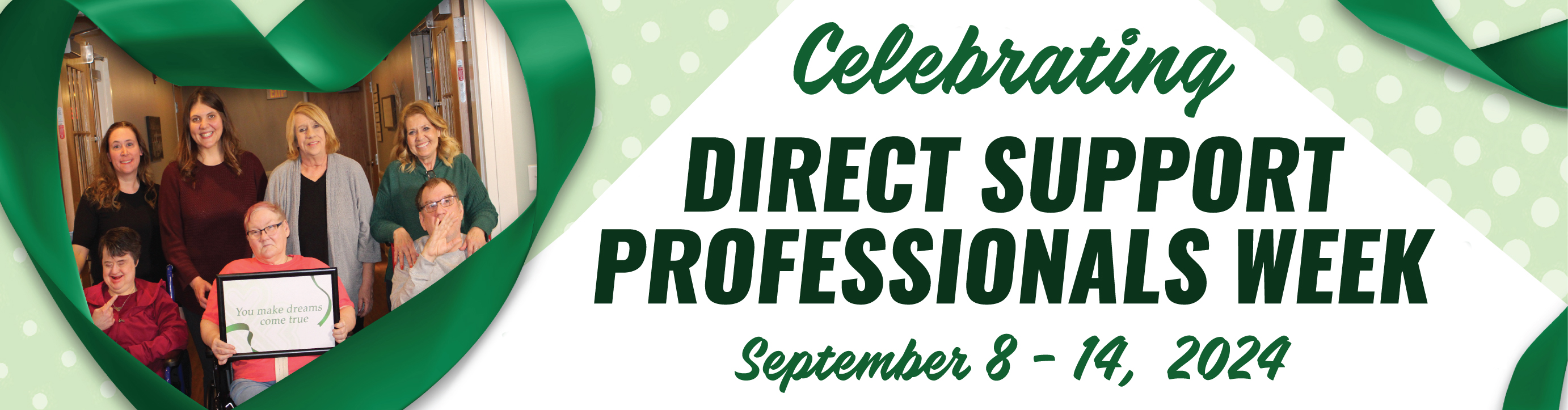
This week, we honor the remarkable contributions of Direct Support Professionals (DSPs) by showcasing the incredible work they do. DSPs should be celebrated as heroes for their efforts in creating meaningful change in the lives of people with disabilities and their families. 

Nationally, DSP Week is spearheaded by the American Network of Community Options and Resources (ANCOR), a nonprofit trade association representing over 1,600 private community providers of services to people with disabilities. This week aims to shine a light on the dedicated and innovative direct support workforce that forms the backbone of support for people with disabilities. 

We recognize the DSPs who make a significant impact in the lives of individuals with intellectual disabilities, autism, and behavioral health challenges. The role of a DSP is complex and highly specialized, as they support every aspect of an individual’s daily life. Their work, often in challenging conditions, demonstrates their commitment to the Barber National Institute’s mission and the wellbeing of the individuals we serve. 

DSPs are the frontline workers who serve as both caregivers and advocates for people with a wide range of abilities and needs. Whether it’s mornings, evenings, weekends, or holidays, you will find them in our day programs and group homes. This special week gives us the opportunity to advocate for them. We can recognize and reward them for their amazing talents and contributions, whether in Erie, Bedford, Philadelphia, Pittsburgh, Somerset or Warren. 

At the Barber National Institute, DSPs play a crucial role in helping our adults reach their full potential. Through their work, individuals live healthy, enriching lives where they can interact with others and gain a sense of independence. DSPs also provide families with a deep sense of comfort, knowing that their loved ones receive personalized attention and are engaged in life skills development such as cooking and financial management, as well as involvement in community events. 

Through their unwavering compassion, dedication, and commitment to providing the highest quality of care, DSPs truly embody the Barber National Institute’s mission of “making dreams come true for those we serve.” I would ask you to assist us by advocating for Direct Support Professionals all year long! 

Posted in Uncategorized | Leave a comment

Creating An Inclusive Future for Employment, Now  

This past Monday, we celebrated Labor Day, which honors the achievements and important contributions of American workers. Work offers the opportunity of financial stability, skill development, fulfillment in our personal and professional lives, socialization, and the chance to learn and grow. It’s my firm belief that everyone who has the potential to work should receive the resources, coaching, and support needed to successfully maintain employment.  

Workplaces across the country are seeing the value of creating more inclusive workplaces. Employers who adopt inclusive hiring and employment strategies are more likely to experience enhanced innovation, improved employee engagement, and a welcoming culture where diverse skillsets, perspectives, and experiences are celebrated.  

The Supported Employment Program at the Barber National Institute provides a range of services to help ensure an appropriate match for both adults seeking employment and prospective employers. The program serves individuals with intellectual disabilities, autism, deafness or hearing impairment, mental health diagnosis, and visual impairment.  

Adults enrolled in the Supported Employment Program first receive a community-based work assessment to determine their skills, job readiness, and appropriate job matches. Training and assistance in all phases of the job search, including creating a resume, applying to jobs, and preparing for the interview process, are provided.  Once a good match is found and specific job responsibilities have been identified, a highly trained and professional employment specialist, also known as a job coach, works with each individual to provide on-site guidance, support, and real-time feedback related to the work being done to ensure the best possible outcomes.  

Support services are also provided to employers as well. For example, employment specialists pre-screen candidates to ensure a good fit for the employer’s needs, saving time and resources during the hiring process. Additionally, employers receive expert advice on managing and integrating employees with disabilities, promoting an inclusive and product workplace culture. Services are provided at no cost to the employer, offering financial benefits and encouraging workforce diversity without barriers.  

I’m happy to share that 250 adults have been successfully placed within a wide range of positions thanks to the proven effectiveness of the Supported Employment Program. Family-owned businesses and large corporations alike have benefited from this service.  

The Barber National Institute also offers Small Group Employment (SGE) to persons with a variety of intellectual disabilities, autism, mental health challenges, and visual or hearing impairments. Training and work opportunities are provided to individuals who wish to transition from school or unemployment into an integrated, competitive workforce. 

The program offers a variety of work experiences and specialized training in landscaping, food service, janitorial work, and machine operation. These and other opportunities give participants the experience needed to gain employment. 

I ask each of you how you can promote inclusion through the organizations you represent and in your daily lives. Please think about the important role you have in finding ways to create channels for greater inclusivity wherever possible.  

Inclusivity doesn’t happen overnight. It takes time and effort from the whole community. It’s a long-term commitment that has tremendous benefits for everyone involved.  

As Ruth Bader Ginsburg said, “We will all profit from a more diverse, inclusive society, understanding, accommodating, even celebrating our differences while pulling together for the common good.”


Posted in Uncategorized | Leave a comment

New Possibilities for A New School Year

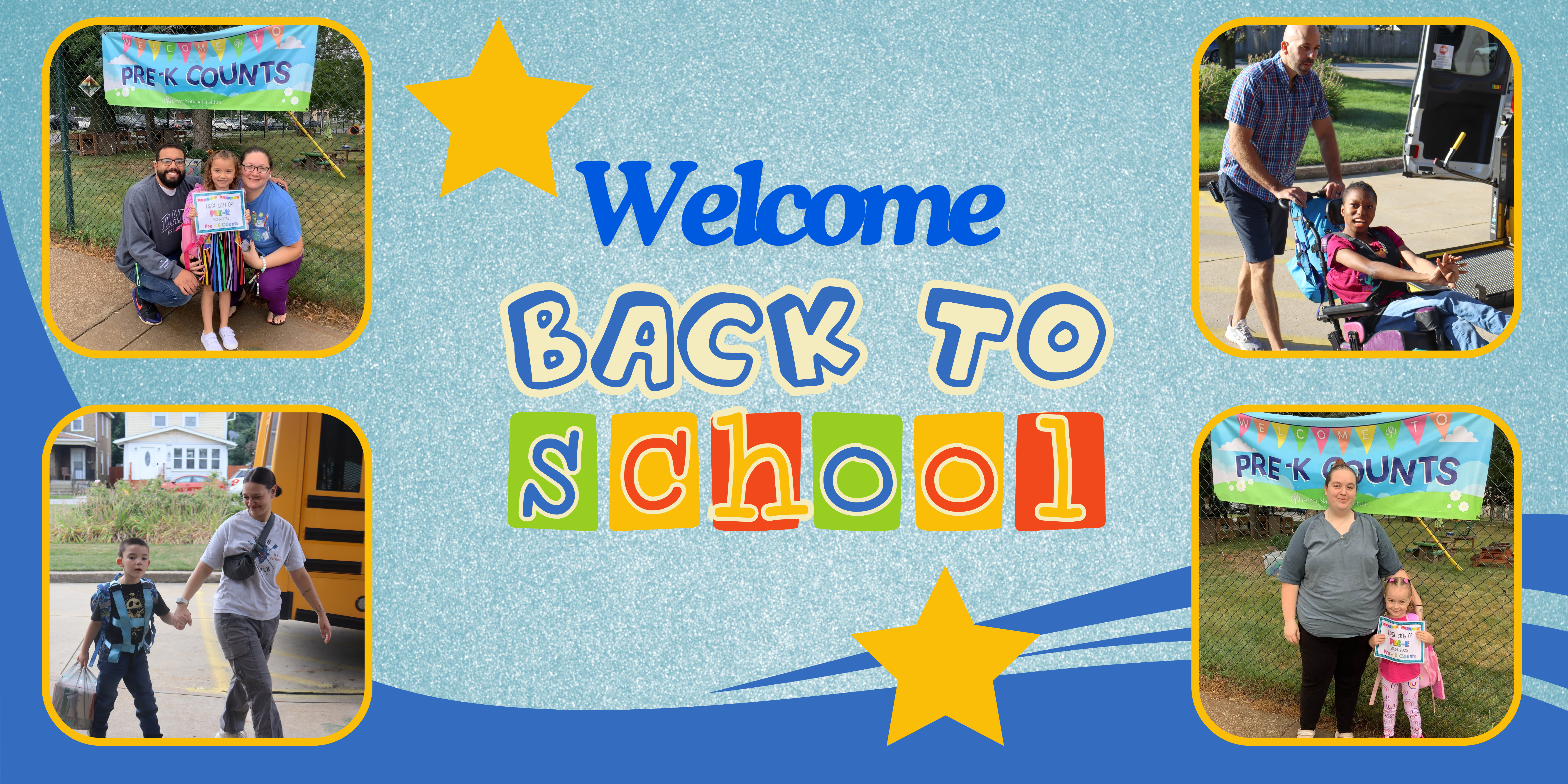
The start of the school year is an exciting time for students, staff, and parents.  It is a time for new opportunities, new beginnings, and new challenges.  I always encourage everyone to celebrate each and every one of your successes.  It is important to stop and appreciate everything that you have achieved.  We have many students who are new to our school and many new staff as well.  There will be a learning curve for both of them.  For our students, this may be their first school experience or perhaps they struggled at their former school.  Our role as teachers, paraeducators, therapists, and behavior specialists is to identify the strengths of each of the children and the various challenges that they experience. We always remember that if the child is not learning, it is our responsibility to teach them so that they do learn.  

For the parents, I would ask that we keep open lines of communication whether that may be through Microsoft Teams, daily notes, or phone calls. You are a key member of the team.  We want to know what your goals are for your child and how we can work together to achieve them.  You are your child’s first teacher, and you know him/her best.  It is only through working together that we will achieve what I know will be a successful school year!  I am always available to answer your questions or if you would simply like to talk. 

Welcome to the 2024-2025 school year! 

Posted in Uncategorized | Leave a comment

Driving Inclusivity: A Path to Success 

The Elizabeth Lee Black School provides opportunities for students to explore their surroundings, learn, enjoy themselves, and achieve their highest potential. We are breaking barriers that hinder student participation in academic and recreational activities by developing programs and infrastructure with inclusivity at the forefront. These initiatives include:  

Cooking Up Practical Life Skills  

The ability to plan meals, understand kitchen and safety best practices, make smart food choices, and prepare healthy entrees and snacks is a skill that requires hands-on experience.  

Thanks to a grant from the Edith L. Trees Charitable Trust, the Elizabeth Lee Black School will establish a fully accessible kitchen with practical adaptations designed to meet our secondary students’ needs.  

This state-of-the-art kitchen will feature wheelchair accessible countertops, a spacious floor plan, and a wide range of meal preparation equipment perfectly designed to help students move toward greater independence and self-sufficiency while also giving them a taste of job opportunities in hospitality and service-related roles.  

Anticipated completion is spring 2025. 

Building A Playground of the Future, Now 

From left, Odyssey Hall and Inclusive Whirl. Source: https://www.miracle-recreation.com/

The Elizabeth Lee Black School has enhanced its playground with ADA-compliant equipment, ensuring all students, regardless of ability, can enjoy outdoor activities. This upgrade was made possible through the Emergency Assistance to Non-Public Schools (EANS) Grant. 

The new additions, Odyssey Hall and Inclusive Whirl, which are both made by Miracle Recreation™, provide a rich sensory experience. Students can engage with various tactile elements, listen, see, and play in their own unique ways. 

The Odyssey Hall includes features like textured roto panels and twisting treads, offering multiple play paths. It also has a wheelchair-accessible route, allowing every student to explore and have fun. 

The Inclusive Whirl offers a safe and comfortable spinning experience, designed to be level with the ground for easy wheelchair access. It also includes additional seating for more inclusive play.  

For more information about Miracle Recreation™ and its product line, visit www.miracle-recreation.com.  

Helping Students Beat the Beast  

The Barber Beast on the Bay is approaching its 11th year on Saturday, September 7. The 10-Mile Course features over 30 rigorous obstacles that challenge even the most well-trained athletes.  

The Adaptive Course, which features over 15 unique obstacles the involve pulling, pushing, carrying, and navigating, is fully accessible and coincides with the 10-Mile Challenges. Many of our students participate in the Adaptive Course.  

Regardless of which course someone participates in during the race, everyone can Beat the Beast and be a champion for the Barber National Institute’s mission of making dreams come true for the students and individuals we serve.  

I will be taking a break from blogging for the month of August. See you back in September!  

Posted in Uncategorized | Leave a comment

Combating Obesity in Children with Special Needs

Obesity is a global issue. I was fascinated yet disappointed as I read some of the findings from the 31st European Congress on Obesity. 

Highlights included:  

  • Children who use screens during mealtimes are more likely to be obese as they are less likely to understand when they are full and keep eating because they are distracted by the screens.  
  • The percentage of obese children and adolescents worldwide has quadrupled among both girls (1.7% to 6.9%) and boys (2.1% to 9.3%) between 1990 and 2022.  
  • The prevalence of obesity in children with special needs is notably higher compared to their peers without special needs. According to the CDC, 20% of children aged 10 through 17 years who have special health care needs are obese, compared with 15% of children of the same age without special health care needs. Additionally, estimates suggest that 21.1% of children and adolescents (ages 10–17) with disabilities have obesity.  
  • Childhood obesity is considered a life-threatening disease as modeling has shown that the life expectancy of a child with severe obesity is 39 years, about half the average. 

There are several contributing factors to obesity in children with special needs. Some of the key factors include:  

  • Medications: Many children with special health care needs take prescription drugs that contribute to weight gain.  
  • Family Stress: High stress within the family can lead to unhealthy eating habits and reduced physical activity.  
  • Genetic Disorders: Certain genetic conditions can predispose children to obesity.  
  • Social Isolation: Children with special needs may experience social isolation, leading to decreased physical activity and increased sedentary behavior.  
  • Lack of Physical Activity: Barriers to physical activity, such as lack of interest, lack of developmentally appropriate programs, and behavioral challenges, can lead to obesity.  
  • Unhealthy Eating Habits: Increased food portion sizes, greater consumption of sugary drinks, and limited nutritional options can also play a role.  

These factors can interact and compound the risk of obesity in children with special needs, making it important to address them comprehensively.  

Parents and caregivers can take several steps to address the contributing factors to obesity in children with special needs:  

Healthy Eating Habits  

  • Provide Nutritious Foods: Stock the fridge and pantry with vegetables, fruits, whole grains, and other nutritious foods.  
  • Limit Unhealthy Foods: Keep low-quality foods and drinks, like sugary soda, sweets, and super-processed foods, to a minimum and out of reach of children at home.  
  • Family Meals: Eat dinner together as a family to encourage healthy eating habits.  
  • Physical Activity: Create a home where being active daily is the norm, such as walking or biking. Choose activities that are both fun and age appropriate.  

.  Behavioral Interventions  

  • Family-Based Behavioral Treatments: Participate in family-based behavioral treatments that target both children and their caregivers to promote weight management through healthy eating and exercise.  
  • Behavioral Counseling: Engage in behavioral counseling to increase the likelihood of sustained weight loss.   
  • By implementing these strategies, parents and caregivers can help children with special needs maintain a healthy weight and overall well-being.  

Yes, this is a challenging problem for many children and parents. However, working together, we can combat obesity and its impact on children with special needs, their families, and the community. 

Posted in Uncategorized | Leave a comment

Parent Autism Support Group Offers Resources, Hope for Families

Parents of children with a diagnosis of autism can find themselves with a myriad of questions and may feel overwhelmed as they work to find the appropriate treatment and care for their children. It’s easy to have uncertainty about the future, but a Parent Autism Support Group, facilitated by Barber Behavioral Health Blended Case Manager, Robin Fox, is changing the narrative surrounding how families support each other and better understand the wide range of resources available to them in the community.  

What can parents expect when participating in the Parent Autism Support Group?  

  • An opportunity to connect with those families who are likely facing similar circumstances and adjust to changing dynamics together.  
  • A chance to feel seen, heard, and understood in a safe and welcoming environment. 
  • A support network comprised of fellow parent advocates and professionals alike who have you and your child’s best interests in mind.  
  • Open and honest discussions surrounding the topics of helping your child navigate school, behavioral challenges, and fostering interpersonal relationships. 
  • Guidance on how to approach the topic of autism with school staff, medical professionals, and caretakers who may interact with your child.  
  • Information about insurance services and therapies that may be beneficial to your child and his or her unique abilities and needs.  
  • The knowledge and skills to make decisions confidently about what works best for your child.  

The Parent Autism Support Group meets the second Tuesday of the month from 6-7 p.m. at the Barber National Institute’s main campus located at 100 Barber Place, Erie, PA, 16507. These sessions are free to the public, but registration is required. 

The August 13 session will focus on IEPs and the important role they play in outlining specific goals, support strategies, and accommodations tailored to meet the unique needs of children with autism. A member from the Arc Erie County will be available to answer questions.

Contact Barber Behavioral Health at (814) 453-7661 for more information.  

Posted in Uncategorized | Leave a comment

Can Autism Be Reversed with Diet and Lifestyle Changes?  

Recently, I was dismayed when I read an article that made claims that environmental and lifestyle factors are a key contributor to the rise in autism in recent years. The article, which was written by someone in the field of pediatrics with a gravitation toward holistic medicine, goes so far as to make the claim that with lifestyle modification strategies, including changing the diets of children with autism, these children may lose their autism diagnosis entirely.  

While I understand the importance of a well-balanced diet, exercise, and an appropriate sleep schedule as part of a healthy lifestyle, this claim is quite unsettling in that it gives false hope to those families seeking a cure for autism while also going against research within the medical community that supports autism is a complex genetic disorder. Lifestyle changes, while beneficial and necessary at times, will not cure autism.  

The fact is that there is an increase in the number of articles being published by people purporting to have expertise in the study of autism who are making baseless claims surrounding the cause, management, and cure for autism. For example, many people have been frightened into thinking that vaccines cause autism, resulting in many parents taking the extreme and dangerous measure of not vaccinating their children. This undoubtedly has increased the risk of children developing life-threatening diseases while having no relevant impact on the mitigation of autism.  

We all have a vested interest in better understanding the causes of autism and the appropriate treatment once diagnosed, but it’s imperative that information about the factors contributing to autism is shared responsibly so as not to mislead people and portray a false narrative that contradicts well-trusted research.  

As a parent of a child, now an adult with autism, at the time of his diagnosis, I, too investigated the best treatment approaches supported by research. Applied Behavioral Analysis (ABA) was the recommended approach and continues to be 28 years later. Ryan still has autism, but I believe that because of ABA treatment, he is a highly successful person. Ryan’s dreams have come true and so have mine! 

Posted in Uncategorized | Leave a comment

Data Supports Special Education Enrollment Has Reached All-Time High

The Individuals with Disabilities Education Act (IDEA) ensures students throughout the country are provided with free appropriate public education. Recent data suggests that 15%, or 7.5 million, children ages 3 to 21 are receiving services under IDEA. 

During the 2012-13 year, 6.4 million students (about twice the population of Nevada) received services under IDEA. While this figure seems high, the fact is that the number of students requiring an Individualized Education (IEP) based on a qualifying diagnosis has only increased. This demand for services under IDEA has grown significantly due to factors such as earlier and more accurate diagnoses of autism, speech and language impairments, and intellectual disabilities, a decreased stigma associated with receiving special education, and the known benefits of special education on students who require such services to reach their full potential. Providing support for students with special needs and helping them maximize learning opportunities and foster essential skills for lifelong success is so important.  

It’s important to note that special education enrollment varies, sometimes significantly, from state to state. For example, students with IEPs in Pennsylvania, New York, and Maine account for 21% of the population. This figure represents states seeing high enrollment. On the other hand, only 12% of students in Idaho and Hawaii receive IDEA services.  

We are at a time in history when special education is a critical component of our education system, yet we are facing potential budget cuts that could put these services in jeopardy. For example, the House Republicans’ Labor, Health and Human Services, Education, and Related Agencies Appropriations Bills has been the center of significant discussion and debate recently. The bill recommends $72 billion in discretionary spending for the Education Department, which is $10 billion below President Biden’s budget request.  

We are amid a challenging time where budget cuts could mean fewer educators to meet the growing need for special education and reduced availability of services in areas where the need is most evident. The most effective way to ensure that funding remains available to support special education well into the future is to urge political figures to advocate for the passage of legislation that benefits students, their families, and the community.  

Contact your legislator and ask him/her to support funding for special education! One vote can make all the difference! 

Posted in Uncategorized | Leave a comment

The Growing Landscape of AI in Education and Its Potential  

It’s hard to go a day without noticing information in the news and online about the advances in technology and artificial intelligence (AI) tools. Educators are one group who are benefiting from AI and its seemingly endless array of features. I’d like to highlight the tech companies that are driving AI forward.  

Google has introduced Gemini that helps boost creativity and productivity by offering AI-powered chat for planning, learning, writing, and teaching. It has multiple capabilities, including the ability to understand and decipher different types of information, including text, images, audio, video, and code. Who doesn’t enjoy being more efficient?! 

Khan Academy and Microsoft have partnered to provide free access to Khanmigo, an AI-powered teaching assistant for teachers. Using Khanmigo, teachers can easily prepare tests, create homework with on-demand features, and simplify tasks that are critical for creating engagement and fostering cutting-edge activities. This platform is a real difference-maker for busy teachers who juggle a myriad of tasks. I’m sure we all know many teachers who fit this description.  

OpenAI has produced ChatGPT, a chatbot that has endless functions, including brainstorming ideas, generating social media posts, summarizing reports, enhancing writing, and translating text. This easy-to-navigate platform has many teachers using it – and loving it.  

While the prospect of having these AI tools at our fingertips is exciting and offers profound possibilities, it is especially important that teachers learn how to use these tools properly and responsibly to ensure their experience – and the experience of their students – is as meaningful and secure as possible. Schools would be wise to offer professional development opportunities for teachers that center on using AI in the classroom.  

For teachers, AI should be relevant to them and their students. It should offer the functionality that makes sense to them. AI is here to stay. With such rapid advancements in AI, it won’t be long before AI is an integral part of all schools. It is our job to better understand how AI can create positive change while supporting teachers as much as possible.  

Posted in Uncategorized | Leave a comment