From Dreams to Reality: The Impact of Project SEARCH  

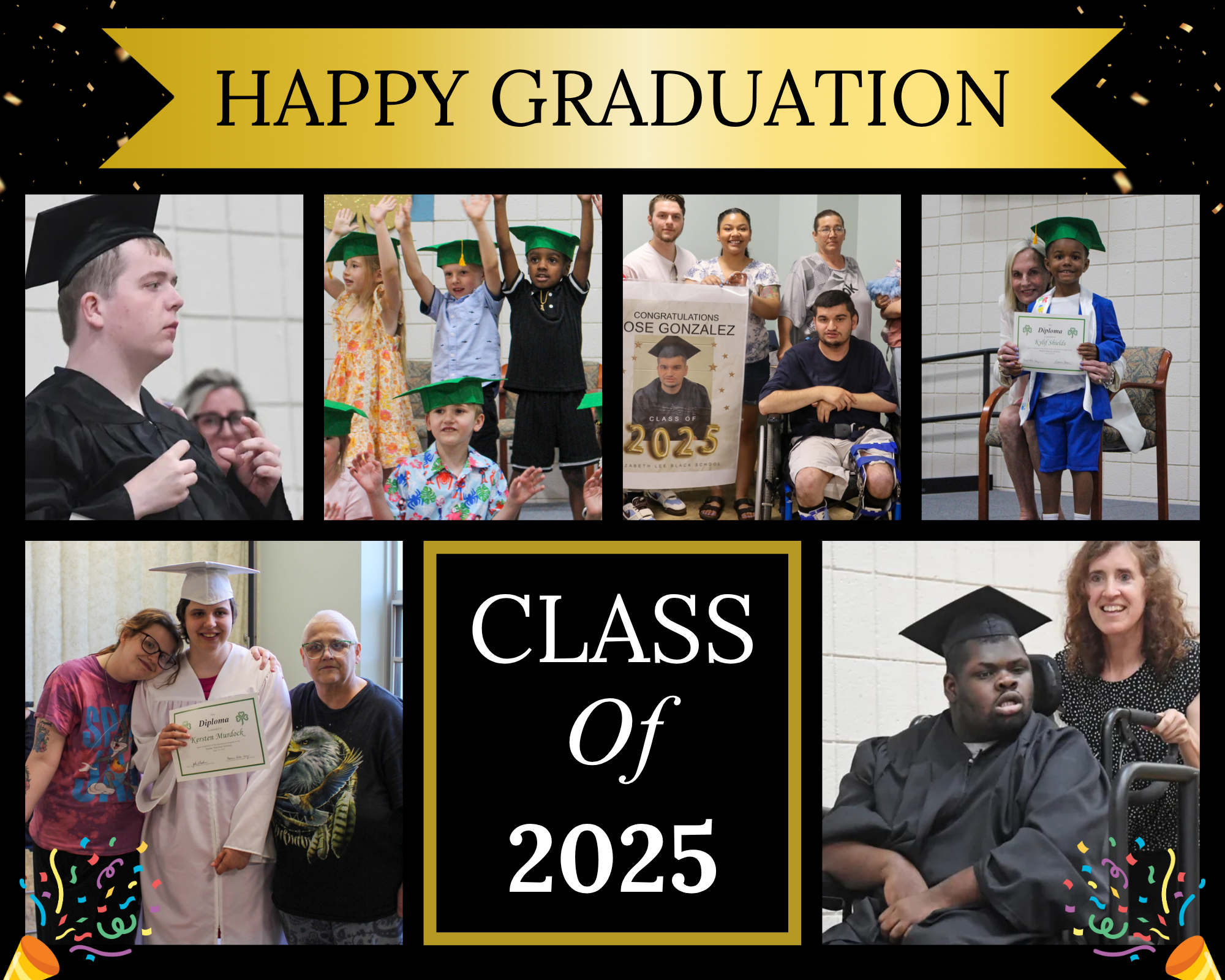
I had the distinct honor of speaking at the Project SEARCH graduation held on the campus of AHN St. Vincent Hospital last week.  

Project SEARCH is proudly supported by local sponsors including AHN St. Vincent Hospital, the Erie School District, the Office of Vocational Rehabilitation, Erie County Department of Human Services, and the Barber National Institute. 

Project SEARCH began almost 30 years ago at Children’s Hospital in Cincinnati. It was designed to assist students with disabilities in their final year of school as they transition to the workforce. Students participate in the program for a full school year at the host business (AHN St. Vincent), where they immerse themselves in the organization’s culture, explore various job opportunities, and contribute as team members. Through worksite rotations, supportive job coaching, and individualized career exploration, students receive hands-on training. This training facilitates the development of essential skills in communication, problem-solving, technology, and team building. These competencies are vital for securing employment post-graduation. 

Project SEARCH also benefits employers by fostering a diverse and inclusive work culture. Organizations that employ individuals with disabilities gain the advantage of varied perspectives and ideas, which contribute to a more resilient, innovative, and adaptable workforce. Much has been written about the numerous benefits of employing people with disabilities, and a workforce reflecting the diversity of the community is strong and vibrant.  

When Dr. Barber established the Barber Center over 70 years ago, the goal was for all individuals to become active participants in their community and be recognized as valued contributors. What was once a dream is now a reality, thanks to initiatives like Project SEARCH. 

Posted in Uncategorized | Leave a comment

Unlocking Independence: Empowering Communication through AAC 

In May, we celebrate National Speech-Language-Hearing Month.  

At the Elizabeth Lee Black School, our exceptional speech-language pathologists (SLPs) ensure students have access to the communication tools that best meet their needs, including augmentative and alternative communication (AAC). AAC encompasses all forms of communication, except for oral speech, that are used to express wants, needs, thoughts, feelings, and ideas. Many of our students have complex communication needs and require alternate ways to communicate. The use of AAC allows individuals the opportunity to become more independent and efficient communicators with those around them.  

We generally classify AAC devices into three categories: Low-tech, Mid-Tech, and Hi-Tech.  

Examples of AAC: 

  • Low-tech 
  • Picture Exchange Communication System (PECS)  
  • Core communication boards  
  • Activity-based communication boards  
  • Mid-tech 
  • Big Mack 
  • Step-by-Step  
  • Go Talk  
  • High-tech  
  • iPad with communication software  
  • eye gaze technology 

Benefits of AAC 

  • Increased Language Opportunities: AAC encourages social interaction and language development by providing students with more ways to communicate with classroom staff, peers, and family. 
  • Improved Communication: Students can better express themselves and feel included in all classroom and social activities. 
  • Empowerment and Independence: Access to AAC builds confidence and allows students to communicate their needs and ideas more effectively. 

We are so fortunate to have SLPs who are highly experienced and trained so that they can bring AAC to our students. 

Check out the photos below to see AAC in action! 

Diego uses a dedicated voice output communication device to talk about brushing teeth during a speech session during Dental Health Month. 

Robby uses his communication device during a social activity to request his turn during Crocodile Dentist game 

These students are using three very different types of AAC (Big Mack, Twin Talk, and Eye-gaze) to participate in a classroom activity 

Speech Language Pathologist Colleen and student Ryder are using a Tobii Dynavox eye gaze device to comment during a story 

Posted in Uncategorized | Leave a comment

The Re-emergence of the ‘R-Word’: Implications and Strategies for Change

I find it difficult to believe that the R-word has resurfaced after years when its use would have been a red flag. Recently, it has “popped up” in discussions by various celebrities and on some platforms.  I feel that this development brings with it far-reaching consequences for individuals with disabilities and perpetuates stereotypes thereby undermining their dignity. 

The ‘R-Word’: A Historical Perspective 

Originally used in clinical settings to describe developmental disabilities, the ‘R-word’ gradually evolved into a term of ridicule and insult. Recognizing its harmful impact, the word was replaced over time by more precise and respectful terms in professional and medical contexts. Despite these advancements, its renewed usage today reveals ongoing challenges in fostering inclusive and respectful communication. 

Implications of Its Revival 

The reappearance of the ‘R-word’ carries serious implications. It reinforces harmful stereotypes and systemic discrimination against individuals with intellectual and developmental disabilities, often acting as a barrier to inclusion and equality. Moreover, normalizing such language risks desensitizing society to the weight of offensive terms, potentially paving the way for other slurs to re-enter mainstream conversation. In this context, language becomes a powerful tool—one that can either uplift or harm. 

Strategies to Address Harmful Language 

1. Raising Awareness 

Education is key to addressing the use of the ‘R-word.’ Many individuals may not fully grasp its offensive nature or the harm it causes. Schools, workplaces, and community organizations should lead discussions about the historical context of language and its impact on society. Sharing personal stories from those affected can help build empathy and understanding. 

2. Encouraging Respectful Alternatives 

Intellectual disability or developmental delay are terms that reflect respect and accuracy. Everyday conversations should avoid generalizations or derogatory expressions altogether. 

3. Confronting Usage 

If you hear the R-word, I suggest that you take a standby explaining calmly why it is inappropriate and suggesting better alternatives. Social media platforms also offer opportunities to challenge harmful language and advocate for change on a broader scale. 

4. Implementing Policies 

Organizations, schools, and workplaces should adopt clear policies prohibiting the use of offensive terms like the ‘R-word.’ Training sessions can help ensure everyone understands the importance of inclusive communication, supported by enforcement mechanisms to encourage compliance. 

5. Holding Media Accountable 

The media plays a central role in shaping societal norms. Advocacy efforts should focus on holding content creators, publishers, and influencers accountable when they use harmful language. Supporting inclusive media content can also help shift cultural attitudes over time. 

6. Utilizing Technology 

Technological tools, such as AI-driven moderation systems, can help filter and flag offensive language in online spaces. Continued investment in refining these tools can contribute to creating safer and more respectful digital environments. 

Conclusion 

The resurgence of the ‘R-word’ is a stark reminder of the profound impact language can have on individuals and society. Its usage is not merely a matter of words—it affects lives, perpetuates discrimination, and hinders progress toward equality. By raising awareness, promoting respectful alternatives, challenging harmful usage, and leveraging policies and technology, we can collectively work to eliminate offensive terms from our discourse. 

As we strive for progress, let us remember that language reflects our values and shapes the communities we build. Through intentional and united efforts, we can create a world where words are tools for empowerment, not harm, fostering inclusivity and respect for all. 

Posted in Uncategorized | Leave a comment

The Importance of Positive Reinforcement of Staff 

We’re celebrating Staff Appreciation Week at the Elizabeth Lee Black School from May 5-9, and we’re featuring a wide variety of activities. Educators, administrators, nurses, and support staff play critical roles in shaping the lives and futures of students, and their performance and morale are directly influenced by the recognition and encouragement they receive. 

Why is positive reinforcement critical to the engagement of our staff? 

Boosting Morale and Motivation 

Positive reinforcement, such as praise, recognition, or tangible rewards, serves as a powerful tool for boosting staff morale. As the challenges staff face on a daily basis can be overwhelming, consistent acknowledgment of their efforts can help them remain motivated and engaged. Staff   who feel appreciated for their hard work are more likely to foster creativity and enthusiasm in the classroom. 

Encouraging Excellence 

Recognizing achievements and milestones encourages staff to pursue excellence in their roles. Whether it’s a teacher implementing an innovative teaching method or a housekeeper ensuring a clean and safe environment for students, reinforcement highlights the value of their contributions and inspires them to continue their efforts. 

Building a Positive Culture 

In schools, positive reinforcement contributes to creating a thriving culture of collaboration and mutual respect. When staff feel valued, they are more likely to work together harmoniously, fostering an environment where students, educators, and administration can thrive. 

Improving Retention Rates 

Satisfied and appreciated employees are less likely to leave their positions. Positive reinforcement has been shown to improve staff retention rates, which is vital for maintaining consistency and quality in education. 

Enhancing Student Experiences 

When educators and staff are motivated and supported, students benefit directly. Positive reinforcement helps teachers bring their best to the classroom, creating engaging and effective learning experiences. Moreover, a happy and valued staff contributes to a nurturing school environment that supports every child’s growth. 

In conclusion, positive reinforcement in school settings is not merely about rewarding individual achievements; it is a strategy for cultivating a vibrant, supportive, and high-performing educational community. By celebrating the contributions of staff members, schools can create a foundation for success that benefits everyone involved. 

Posted in Uncategorized | Leave a comment

Exploring Adult Program Options at Barber National Institute 

As graduation approaches, many families begin to consider the next steps for their son or daughter with intellectual disabilities. The transition from school to adult services can be challenging, but the Barber National Institute is here to help. 

We are excited to invite parents, students, teachers, transition coordinators, and support coordinators to our Intellectual Disabilities Services Open House on Friday, May 2, from 9:30 to 11:30 A.M. at our main campus located at 100 Barber Place, Erie

This informational session will provide valuable insights into the adult day programs, funding and the referral process available at Barber National Institute. Attendees will have the opportunity to tour our adult training facilities and speak directly with our knowledgeable staff and individuals.  

Whether you’re looking for day programs that offer engaging activities or skill development, our open house is the perfect opportunity to explore the possibilities. 

Don’t miss out on this chance to learn more about the services we offer and how we can support your son or daughter’s transition to adulthood. Please RSVP by Tuesday, April 29, to Elizabeth Gill at ElizabethGill@barberni.org or call 814-878-4030. 

We are here to help your son or daughter have a smooth and positive transition.  

Posted in Uncategorized | Leave a comment

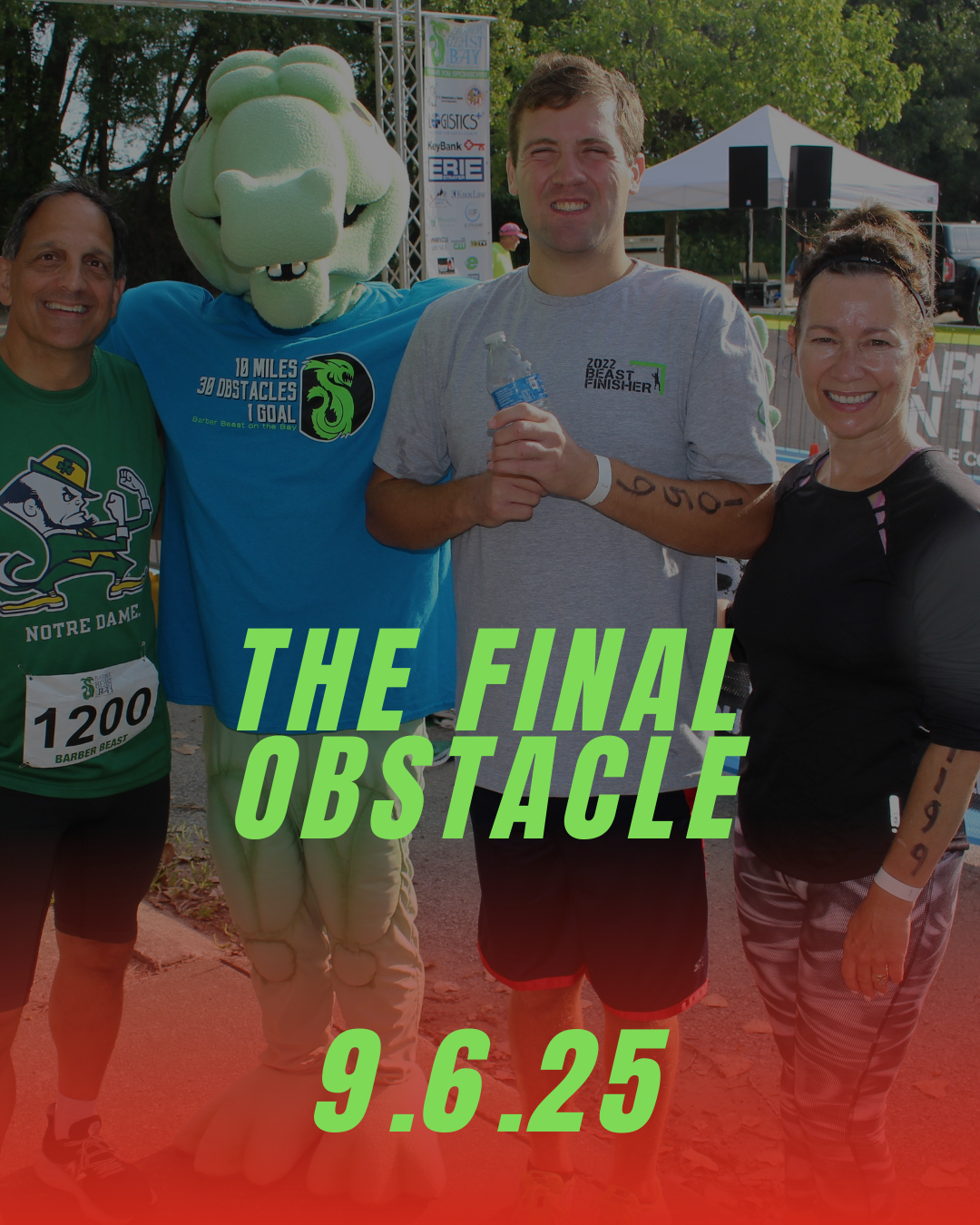
The Mini Beast Is in Full Swing at the Elizabeth Lee Black School 

Each September for the last 11 years, the Barber National Institute hosts the Beast on the Bay, a rigorous 10-mile course with 30 obstacles that challenge even the most skilled athletes. 

While many are gearing up for the Beast, which is several months away, the Mini-Beast is in full swing this week. You might be wondering, “What exactly is the Mini-Beast?” It’s an opportunity for Elizabeth Lee Black School students to hop, jump, skip, toss, and push their way through unique and fun obstacles at their own pace. 

After all, everyone deserves the chance to Beat the Beast! 

The Mini-Beast features a variety of activities that are accessible to all students and provide a high level of engagement. Brent Manti, our school’s physical education teacher, has been instrumental in creating an inclusive physical education program that supports each student’s development. 

Thanks to the Emergency Assistance for Non-Public Schools (EANS) Grant, the Elizabeth Lee Black School acquired the Lü Interactive Playground. This innovative system transforms traditional school environments into immersive and interactive spaces using a wide range of applications combined with world-class audiovisual equipment. The Lü Interactive Playground will certainly add an extra level of engagement to this year’s Mini-Beast!  

Rest assured that while the Beast on the Bay is ending, the adapted course will continue on as an annual event. I want to extend a very special thanks to those who participated in the Beast on the Bay since its inception as well as the countless volunteers and supporters who made this epic event happen.  

Learn more about the 12th and Final annual Barber Beast on the Bay taking place on September 6 by visiting www.barberbeast.org.  

Posted in Uncategorized | Leave a comment

Health Secretary Seeks to Uncover Root Cause of Autism by September

In a bold and unprecedented move, Health and Human Services Secretary Robert F. Kennedy Jr. has announced a comprehensive initiative aimed at uncovering the cause of autism by September 2025. This ambitious endeavor, described as a “massive testing and research effort,” will mobilize hundreds of scientists and researchers to delve into the complexities of autism spectrum disorders. This week, the Centers for Disease Control and Prevention reported that 1 in 31 children in the U.S. are diagnosed with autism spectrum disorder by their 8th birthday. In 2000, the rate was 1 in 150, and in 2024 autism spectrum disorder affected 1 in 36 children.  

Kennedy’s approach is driven by a sense of urgency and a commitment to addressing the rising rates of autism diagnoses. Despite decades of research, the exact cause of autism remains elusive, with genetic factors and various environmental influences being considered potential contributors. Kennedy’s initiative seeks to bring fresh perspectives and innovative methodologies to the forefront, hoping to achieve breakthroughs that have so far been out of reach.  

You may be asking, “hasn’t this already been done?” Yes, it has.  There are more than two dozen studies that have looked at the MMR vaccine and autism and have not found a link.  These include a massive 2019 study in the Annals of Internal Medicine, which looked at more than 600,000 children in Denmark. These studies have been done in different styles and in different countries. All have reached the same conclusion. Scientists tell us that genetics plays the dominant role-both inherited traits and spontaneous mutations in early conception. Kennedy recently doubled down on Fox News, claiming that previous vaccine safety studies were insufficient.  

“We’re going to look at facts,” he said. “We’re going to look at everything. Everything is on the table: our food system, our water, our air, different ways of parenting, all the kind of changes that may have triggered this epidemic.”  

Many in the autism community are concerned that Mr. Kennedy, a longtime vaccine critic, who has promoted the discredited theory that routine childhood vaccinations cause autism, is now leading Health and Human Services. It’s worth reminding everyone that not too long ago, the theory of “refrigerator moms” was believed to be the cause of autism. Is Mr. Kennedy now suggesting that different ways of parenting could cause autism?  We can be sure that there will be more to come on this issue.  

Posted in Uncategorized | Leave a comment

Celebrate Early Childhood Week: A Joyful Journey of Learning and Growth!

Early Childhood Week, also known as the Week of the Young Child (WOYC), is an annual celebration sponsored by the National Association for the Education of Young Children (NAEYC). This year, it will be observed from April 5 to April 11. The event underscores the significance of early childhood education and honors young children, their educators, families, and communities.

Research highlights the profound long-term effects of early childhood education on a child’s development. Studies indicate that high-quality early education is linked to positive outcomes such as lower rates of criminal justice involvement, higher likelihood of completing high school and pursuing further education, fewer chronic diseases, and improved overall health. Furthermore, early childhood education fosters cognitive development, social skills, and learning abilities, which directly impact children’s readiness to succeed in formal schooling and beyond.

The COVID-19 pandemic severely impacted America’s childcare community. Many childcare programs faced financial challenges due to tuition losses and low enrollment, compounded by the rising costs of new safety measures. By March 2021, nearly 16,000 childcare programs had closed, and a significant portion of the early learning workforce had lost their jobs or left the field. Additionally, the pandemic led to chronic absences, student depression, and a shift in parental perspectives on the role of education. Many children missed opportunities to develop and practice social and emotional skills during this time.

During Early Childhood Week, our children and staff in the Early Childhood Programs will engage in various enjoyable activities:

  • Music Monday: Students will create instruments and participate in a parade. Dress in purple!
  • Tasty Tuesday: Explore taste buds with a treat by following a recipe and cooking.
  • Work Together Wednesday: When children build together, they experience teamwork and develop their social and early literacy skills.
  • Artsy Thursday: Children will explore different mediums and create a masterpiece.
  • Family Friday: A Garden Party for families.

We look forward to celebrating this special week!

Posted in Uncategorized | Leave a comment

Bridging Gaps: Understanding Autism and Providing Support 

As we celebrate World Autism Day on April 2, let’s take a moment to review some essential facts about autism spectrum disorder (ASD). 

What is ASD? Autism spectrum disorder (ASD) is a developmental disability that typically appears before the age of 3 and lasts throughout a person’s lifetime. It affects brain development in areas such as social interaction, communication skills, and cognitive function. Early identification, treatment, and support are crucial, as they can significantly improve outcomes for children with autism. 

Key Facts about ASD: 

  • Prevalence: ASD affects 1 in 36 children, with boys being nearly five times more likely to be diagnosed than girls. 
  • Diagnosis: Girls are often underdiagnosed and misdiagnosed with other conditions. 
  • Growth: ASD is one of the fastest-growing developmental disorders in the United States. 
  • Detection: There is currently no medical detection blood test or cure for autism spectrum disorder. 
  • Causes: The causes of autism are not fully understood, but research suggests a combination of genetic and environmental factors. 
  • Diversity: Autism spectrum disorder affects all nationalities, creeds, religions, and races. 
  • Risk Factors: Family history, genetic mutations, parental age, pregnancy and birth complications, and disruptions in early brain development are all associated with a higher risk of ASD. 
  • Communication: Many individuals with autism have difficulties with communication, ranging from significant challenges with spoken language to challenges with social communication. 

The Barber National Institute’s Involvement with ASD Programs: In 1993, my brother, Dr. Joe Barber, a local pediatrician and pediatric neurologist, and I noticed an increasing number of children with ASD. We met with Dr. Gertrude Barber at her home to discuss this phenomenon and the need for additional training to provide the necessary interventions. Although we were skilled in providing education and services for children with intellectual disabilities, these children needed something more. Dr. Barber agreed to support the funding for training, which began our journey of sending staff to conferences across the country and bringing in experts for hands-on training. It’s hard to believe that was 30 years ago! The training has never stopped as we continue our goal of providing the very best services to children and adults with ASD. 

In my next blog, I will discuss some of the services we offer for children and adults with ASD. 

Posted in Uncategorized | Leave a comment

Fitness First: Transforming Lives through Exercise  

The Elizabeth Lee Black School is proud to offer a comprehensive education that extends beyond the classroom. Our students not only expand their academic knowledge but also enhance their real-world skills. We place strong emphasis on students’ health and well-being, investing in a wide range of exercise equipment and technology that allows students to engage in physical activity at their own pace. By introducing the many health benefits of exercise early on, we ensure that our students can adopt a healthy lifestyle that includes physical activity throughout their lives. 

Brent Manti, our school’s physical education teacher, says “I think what keeps students engaged is the sense of accomplishment. Progression through exercise is something that can not only be seen but also felt. Students can feel this sense of accomplishment and achievement by being challenged in the fitness room and progressing through those challenges. Goal setting is a major part of our fitness curriculum. Most of the students want to challenge themselves to see how far they can go.”  

“I have seen many students make physical improvements in increasing their fitness levels, but I have also seen students improve in their abilities to use different fitness equipment. Our goal for all our students is to be as independent as possible. Many of our students don’t have the knowledge or skills set to use a lot of fitness equipment, but after many sessions of guidance and training, they are able to work towards fitness goals on a mostly independent basis,” says Manti.  An additional win is that after learning how to use the equipment in the school fitness center, they can go to the Y or gym with a parent and use the equipment independently.  

There are several reasons why fitness remains so important, including:  

* Physical Health: Regular exercise helps maintain a healthy weight, reduces the risk of chronic diseases like heart disease, diabetes, and hypertension, and improves overall physical health. 

* Mental Well-being: Fitness activities release endorphins, which are natural mood lifters. Exercise can reduce stress, anxiety, and depression, and improve cognitive function and sleep quality. 

* Academic Performance: Physical activity has been linked to better concentration, memory, and classroom behavior, which can enhance academic performance. 

* Social Skills: Participating in fitness activities can improve teamwork, communication, and leadership skills, fostering a sense of community and belonging. 

* Lifelong Habits: Developing a fitness routine early in life encourages healthy habits that can last a lifetime, promoting long-term well-being. 

* Self-esteem: Achieving fitness goals can boost self-confidence and self-esteem, empowering individuals to tackle other challenges in life. 

On average, about 50 students visit the fitness room each week. We’re thrilled to inspire students to embrace exercise as a fun and effective way to relieve stress, connect with others, boost self-esteem, and develop healthy, lifelong habits. 

Posted in Uncategorized | Leave a comment