National School Choice Week 2024 begins on Sunday, January 21, and ends on Saturday, January 27.
This will be the fourteenth annual celebration of National School Choice Week. The first celebration of National School Choice Week was in January 2011.
Why do we celebrate School Choice Week?
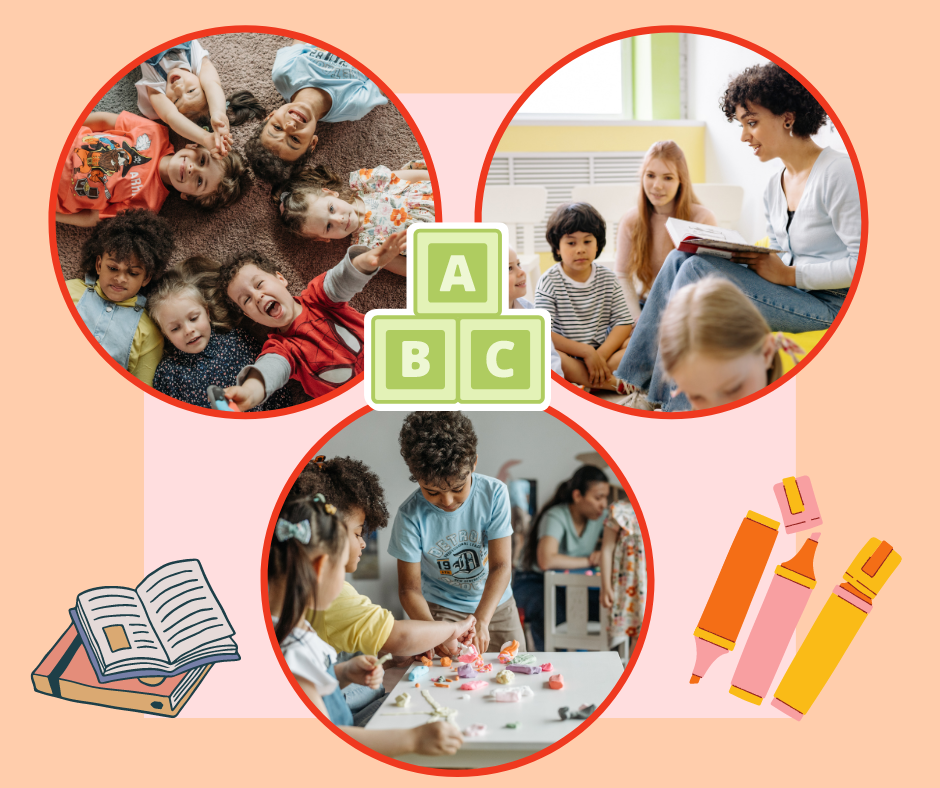
The goal of National School Choice Week is to raise awareness about the K-12 education options available to families in communities across the country. During the Week at the Elizabeth Lee Black School, we spotlight the many benefits of an education at our school for preschool and school aged students. We choose to highlight the achievements and accomplishments of our students.
The Week is held in January, as for many families this is the time when parents start the process of selecting a school. If you are interested in understanding the educational options available in each type of school state-by-state, you will find them at schoolchoiceweek.com/mystate.
The educational landscape is ever evolving for children with special needs and typical children. The event hopefully offers responses to parents’ questions, helping them navigate and discover the most suitable school options for their children.
We celebrate School Choice week at the Elizabeth Lee Black School by wearing our school color, green. The children and staff were “decked” out in this color on Monday. Let’s celebrate our school!
We have been discussing the negative impact of COVID on school aged students. A group that is often not discussed are children who were not yet three years of age, and who should have been entering preschool between 2019 and 2021. One might think that these children were so young. How could they experience the impact of COVID? However, we are now seeing that they certainly did. Some of these children would have attended preschool. Instead, they were at home with very limited opportunities for social interaction with their peers or adults who were not family members. Their parents or caregivers were losing their jobs, routines changed daily. Some of these children lost loved ones. All of the above factors certainly lead to stress for the child and his/her family.
New data suggests kindergarteners tested in 2023 had scores that placed them two percentage points less likely to begin school at grade level than peers tested in 2019. Math and reading levels are in decline among kindergarteners, which is concerning educators and researchers alike.
Beyond academic decline, we’re seeing an increase in behaviors among young students entering school. More students are requiring one-on-one attention to help mitigate behavioral challenges and help keep these students engaged and able to learn as effectively as possible.
What have we experienced at the Elizabeth Lee School? First and foremost, many children come to us at five or six years of age and have never been to school. Yet, preschool is a critical stage in a child’s development, where they are introduced to a structured environment that fosters social and emotional growth. It provides children with a platform to learn how to interact with others. It is an environment where children learn to share, take turns, and cooperate with others. These skills are crucial for building positive relationships and are fundamental in developing social skills.
Preschool also teaches children how to solve problems and make decisions. Children learn how to think critically, analyze situations, and make sound decisions. This skill is essential in developing emotional intelligence, where children learn how to understand themselves and others better. Emotional intelligence helps them navigate social situations and make meaningful connections with others.
Furthermore, preschool helps children build confidence and self-esteem. Through play and exploration, they learn to trust their abilities and develop a sense of pride in their accomplishments. This helps to build resilience, which is a crucial aspect of emotional development
These are the challenges all of us are facing as we move forward in our attempts to provide a high-quality education for our young children.
Did you know that January is National Thank You month? What better way to start the month than with a thank you! It was started in 1977 by author Marsha Friedman as a way to promote the power of saying thank you. However, this is not something that “just began.” Actually, the ancient cultures around the world had traditions and rituals expressing gratitude and thanksgiving often in relation to successful harvests or blessings from the gods. The tradition carried on in the 1600’s with the Pilgrim’s First Thanksgiving in 1621. By 1863, President Lincoln proclaimed Thanksgiving a national holiday to be celebrated on the final Thursday of November.
So, what do we know today?
Expressing gratitude is linked with many mental and physical benefits. Studies have shown that feeling thankful can improve sleep, mood and immunity. Gratitude can decrease depression, anxiety, difficulties with chronic pain and risk of disease.
What’s the right amount of gratitude?
Simply put, gratitude should be practiced daily. Try starting your day by thinking of someone you’re grateful for as soon as you wake up. It could be a teacher who recognizes your child’s gifts, an employee that is especially kind to his peers. Later, thank that person with a text, note or kind word when you see the person. I am “old fashioned” and would say a written note can have the most powerful impact.
Did you know that behavior changes biology?
Positive gestures benefit you by releasing oxytocin, a hormone that helps connect people.
You’ll also benefit the person on the other end of the gesture. After all, who doesn’t like to be thanked for their efforts or just for being who they are? Sharing kindness can make you healthier and happier.
Why not track your gratitude?
Ryan and I have done a gratitude journal in the past. I decided that it’s time to dust it off the shelf and begin again. We have the most time during dinner, so that is when we will begin. I will keep you posted as to how he embraces this concept and if it has any positive impact on his behavior. We have so much to be thankful for!
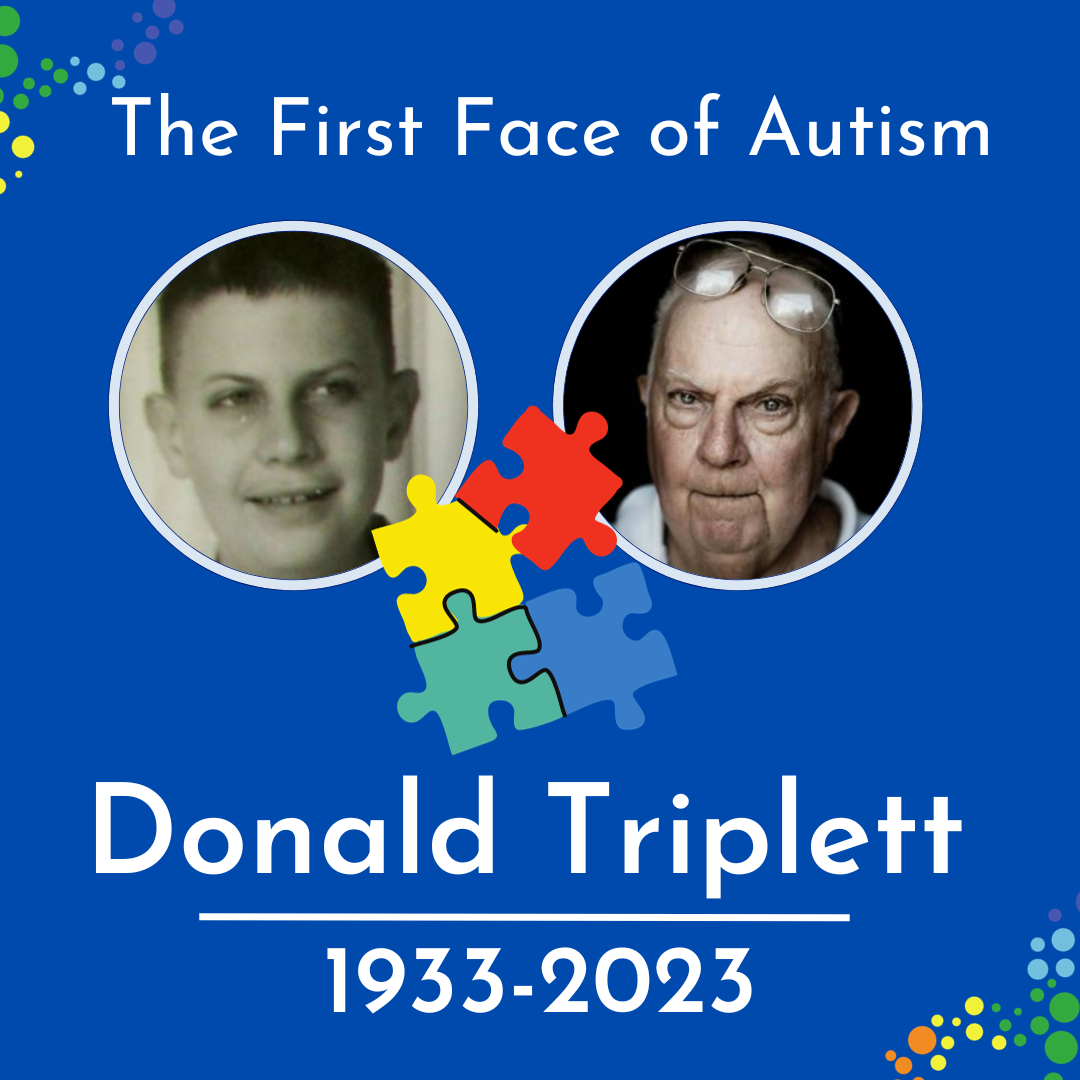
The New York Times recently published a list of notable deaths in 2023, covering a wide spectrum of figures from the world of literature, politics, popular culture, technology, sports, medicine, and the list goes on. As I read the biographies of these men and women, I came to one name that stood out for me, Donald Triplett, the first person diagnosed with autism in 1943.
Donald was born in 1933 and from the young age of two, he engaged in behaviors that today we associate with autism. He was singing Christmas carols before 2, enjoyed memorizing numbers, reciting them and then quickly moved on to multiplication faster than a calculator. There were no programs at that time for children who were “different”, so at the recommendation of his doctors, he was sent to a nearby institution. It would be 40 years before the Individuals with Disabilities Education Act (IDEA) was passed. However, Donald’s parents, who were only permitted monthly visits, soon saw that he was no longer the spirited child that they knew and brought him back home. His parents became his strongest advocates, and sought treatment with Dr. Kanner, the world-renowned psychiatrist at Johns Hopkins Hospital. It was he who diagnosed him with autism. Donald’s mother strongly encouraged the local public schools to allow him to attend and he completed high school. Later, Donald graduated from college and worked in his family’s bank for decades. He developed two full time hobbies, golfing and world travel. Donald was a happy man. People liked Donald and as he approached old age, in his little community he was beloved. His Mother wrote, “Donald had turned out much better than we hoped for.” That sounds so familiar!
Donald’s story is one that more and more people today are experiencing. 1 in 36 children are diagnosed with autism today. His story is one of hope, support, and an unwavering commitment from the community, which gave Donald the compassion and support he needed to live a life of authenticity and acceptance. We’re still learning so much about autism. As I always say, “If you know a person with autism, you know a person with autism.” Throughout his 89 years, Donald showed us that people with autism have gifts to share with the world and that we must learn to embrace people with autism and all they have to offer.
Donald Triplett passed away on June 15, 2023, and leaves a legacy behind that will last for years to come. May his story be an inspiration to us as we continue to learn more about autism and help support those impacted by it. It certainly inspires me today as I see numerous parallels between Ryan’s life and Donald’s.
For further information on Donald Triplett, read “In a different key, the story of Autism” by John Donvan and Caren Zucker.
Human rights, including the right to be treated with dignity and respect, the right to reach one’s fullest potential, and the right to live without prosecution and injustice, is the foundation of our society and helps shape the world in which we live.
It was 75 years ago that one of the Universal Declaration of Human Rights was released. I find it interesting that our founder Dr. Gertrude Barber founded the BNI 72 years ago. With 562 different translations, this document is the most translated document in the world according to the United Nations. The last 75 years have certainly shown us that we are fully capable of working collectively to ensure the wellbeing of everyone, regardless of race, color, religion, gender, or ability. While we have been able to make great strides in helping ensure freedom, equity, and justice for all, we still have steps to take to make sure we continue these efforts by working together to foster awareness of critical issues facing those whose inalienable rights are threatened.
I am hopeful that 2024 will give us ample opportunities to keep working to embody the values that the Universal Declaration of Human Rights captures. To learn more, visit https://www.un.org/en/observances/human-rights-day.
I want to thank you for your continued support of the All About Autism Blog. 2023 has been an opportunity to share experiences and build a richer understanding of topics that impact our lives and those we love.
I will be taking a break from blogging until after the start of the new year.
The Barber National Institute has gained countless supporters over the years. In addition to helping raise critical funds to support life-changing programs for our adults and children, our annual fundraisers are also, without question, friend raisers.
So many of our annual fundraisers are a huge success thanks to an outpouring of community support. This year, we had so many key stakeholders come together to make the following possible:
The 21st Annual Ladies Only Luncheon was held at the Kahkwa Club on Saturday, November 18. We welcomed over 400 women to enjoy a delicious meal prepared by the Kahkwa Club culinary team, inspiring stories of how the Barber National Institute is making dreams come true so many children and their families, and our much-anticipated raffle featuring gorgeous gift baskets all donated by very generous supporters.
“Shining Bright, Winter Night” Barber Christmas Ball, which took place on Saturday, December 9 at the Bayfront Convention Center, marked 59 years of this annual gala that benefits programming at the Barber National Institute. Thanks to the efforts of our chair couple John Bloomstine, his wife Colleen and their family, we were able to raise funds for our pool renovation project, which is currently underway. A record crowd of over 1200 attended this sold-out event.
Operation Warm delivers winter coats to young children in need in our communities at no cost to families. With the motto of “more than a coat”, the nonprofit organization believes that it is important to focus on meeting the needs of the whole child. A winter coat provides physical warmth and protection just as it proves confidence and hope for a brighter future. Our partners at PNC Financial Services have collaborated with Operation Warm to help the Elizabeth Lee Black School obtain coats for our preschool students in need.
The Elizabeth Black School Christmas Showcase is an opportunity for our students to share their holiday spirit with the community. This is the first showcase we’ve had since the COVID pandemic, and we’re happy to be offering this hybrid event both in person and through Teams on Thursday, December 14.
Dollar General stores in our region are collecting new toys and personal items that will benefit the Elizabeth Lee Black School. Customers have an opportunity to purchase items while shopping in 11 stores in the Erie area and donate those items directly toward the drive at checkout.
Holidays and family events can be both joyous and stressful for both parents and children. If you have a child with special needs, these celebrations can become challenging. Here are some tips that may help you prepare for a not-so-stressful holiday season. They are tips that I learned over the years. I hope you find them helpful.
Look at the Holidays through Your Child’s Eyes
What aspects of the holiday does your child enjoy? Many parents simply enjoy buying gifts for their child. However, too many gifts can be too stimulating for some children. When Ryan was two, I began the tradition that baby Jesus received three gifts for Christmas and so he would receive three gifts as well. Twenty-eight years later we still are following that tradition. The key to remember is to focus on what your child finds interesting. That is most important. As an example, clothes were never interesting to Ryan although I enjoyed buying them.
Adapt an Advent Calendar
Ryan and I often did a countdown which focused on the religious aspect of Christmas. I also prepared Ryan for visits with family and social outings by using social scripting. By creating a countdown and practicing expectations, Ryan was better prepared for the events.
Decorate Throughout the House
If your child is over stimulated by sensory experiences, you may wish to limit the number of decorations in one room and/or gradually decorate your home. Decorations are fun, but they are a change, and with change, can come anxiety. In our house, Ryan loved lots of decorations and continues to do so. We had snowmen inside, outside, and everywhere, an outdoor lighted Santa, wreaths, and of course, a large tree with lights and decorations.
Keep it Simple
Limit your schedule. When Ryan was about three years old, I noticed that he was quickly bored when visiting other’s homes, causing various behavioral challenges. At that point, I made visits shorter. We followed the same routine starting early around 4:30 p.m. and ending by 6:30 p.m. Talking to your family about your schedule and why you need to keep your visits short and structured will not only help you but allows them to understand.
Two Cars are Better Than One
By driving two cars (if possible) you can allow the other family members to remain at a family function or outing and you can leave early. This will alleviate your feelings of guilt and sadness.
Be Aware of Repetitive Behaviors
Keep an eye out for signs of anxiety. This could be the cause of an increase in your child’s repetitive behaviors. If you do see signs, know that your child’s anxiety is increasing and give your child a break.
Bring a Favored Activity
Whether it’s a toy, iPad or his favorite game, select something your child really enjoys and take it with you on your visits. This can create a comfort zone for your child and you amid the hustle and bustle of an event or outing.
Attending Worship Services
When Ryan was little, the Church or crowds at Church and unclear expectations seemed to trigger some behaviors. It was best for us to plan, sit with a friend and start a routine. Years later, we continue to maintain the same program. Every week, Ryan and I attend church. We sit in the same row near the back of the church. Prepare your child – go early to get a seat, perhaps at the end of the row. Taking a supportive friend or family member will allow your other children to remain in case you need to leave early.
Relax and Laugh
Take time to dwell on the possibilities of yesterday, today and tomorrow. Acknowledge and celebrate when things are going well for your child, yourself and for others. Gratitude strengthens hearts and minds.
I hope that your holiday season is full of encouragement and gratitude!
Oh my goodness! Ryan turns 30 this Saturday!!!!!!!!!!!!!!!!!!!!!!!!!!!!!!!
Yes, this is impossible for me to truly believe. 30 years have passed since he came home from the hospital!
I still remember it like it was yesterday… We were living in North East and, of course, we were in the midst of a snow storm.
I recall turning up the heat to make sure that his bedroom was warm. My brother, Joe, who lived next door came by and said that the house felt like a steam room. I turned the heat down, needless to say!
Jeanne and Dianne came out to assist with his first bath. Dianne, the oldest in her family of 12, had lots of experience with bathing babies. So, I entreated her to help – everything was so new to me! We even did a video of “Ryan’s first bath” which I still have today.
In the blink of an eye, the next 30 years have passed. There have been peaks and valleys in this journey, but I am truly proud of Ryan’s many successes. He has had a GREAT 2023!
Between working at Bello’s and BNI, exercising at Planet Fitness, swimming at the Y, skiing at the Peek in the winters and golfing at Kahkwa in the summers, I am trying, usually unsuccessfully, to keep up with him!
Ryan’s most favorite activity is reading to our Happy Hearts preschool children. He will tell you that he is a teacher because he” reads to the kids” and “cleans their classrooms.” Those are his 2 jobs and with Bello’s he has 3. He firmly believes that he does not need more! He will also tell you “Mom and I are not retiring. We are planning on working at the Barber Center until we are 90 and then we will work at the Center in heaven, and he will read to the kids there.”
As I look back over the years, I know that I have so much to be grateful for: family, friends, outstanding staff, and the Erie community that welcomes children and adults with disabilities. And the future???? My expectations continue to be high and who knows what the future will bring. He has accomplished much more than even I would have dreamed!
I continue to believe that nothing is impossible and as Audrey Hepburn so simply said, “the word itself says I’m possible!”
The recent passing of writer, activist and former first lady Rosalynn Carter has shed light on this amazing woman’s accomplishments and her legacy that will endure.
Mrs. Carter supported many worthy causes, including equality for people with disabilities. The United Nations proclaimed 1981 as the International Year of Disabled Persons, which raised public awareness and understanding of the issues and rights of people with disabilities across the world. It also encouraged people from all walks of life to act in helping improve the lives of people with disabilities through legislation and efforts in their own communities.
Learning of Erie’s commitment to driving positive change for people with disabilities and their caregivers, Mrs. Carter personally visited the Barber National Institute and was hosted by Dr. Gertruda Barber that same year.
With the leadership of Dr. Barber and the support of countless stakeholders, Erie was and continues to be a progressive city that values the diverse contributions of people with disabilities. I recently spoke about quality and how it’s personified at the Barber National Institute. Below are my remarks:
What is quality at the Barber National Institute? It is our staff who are so committed to the children and adults. It is the world class expertise of these men and women who are the very best at what they do. It is a state-of-the-art technology rivaling all others which allows us to individualize innovative programming for each and every person. This is the culture of excellence that drives the Barber National Institute.
I believe Mrs. Carter also saw the value of the Barber National Institute and organizations like it. I am especially thankful to Mrs. Carter for helping promote the importance of ensuring that people with disabilities have fair and equitable access to education, healthcare, acceptance in the community, and resources throughout the course of their lives. I’m also grateful for her commitment to ensuring caregivers and professionals working closely with people with disabilities don’t go unnoticed.
I hope this information was helpful to you. If you have any other questions, please feel free to ask me.
Do you have any personal interest or connection to the topic of disability? I would love to hear your thoughts and opinions on this important issue.
In response to an increase in requests from a wide variety of stakeholders throughout the community, BNI has developed a parent support group to support parents of children with autism and intellectual disabilities in our region. Research tells us that parent support groups help parents:
develop healthy parenting skills
experience a sense of empowerment and feelings of belonging
foster coping skills early on for optimal results
Learn how social factors impact behavior
When to seek help for their child
The group will help parents access critical information on early intervention services, Intensive Behavioral Health Services (IBHS), and other resources that their children may need.
The support group will be held on the second Tuesday of each month from 6:00-7:00 p.m. at the Barber National Institute main campus beginning on December 12. Please call 814-823-5366 to RSVP! RSVP is Required.
The support group is funded by a grant through the Dr. Gertrude A. Barber Foundation.
Together, we can piece this together!
As we make final preparations for the 21st Annual Ladies Only Luncheon on November 18, I will not be blogging next week. I’ll be back the week of Thanksgiving!