
Martin Roosaare and Kate Flowers, both passionate dancers and married partners, have faced unique challenges in their journey to share their artistic talents. As individuals on the autism spectrum, they understand the difficulties that come with finding a safe and supportive space for creative expression. They know firsthand the struggles many people on the autism spectrum face in social situations, the need for sensory breaks due to overstimulation, and the discomfort with eye contact and bright lights.
Driven by their experiences and a desire to create a more inclusive environment, Martin and Kate founded Azara Ballet in Sarasota and Bradenton, Florida. This dance studio is a haven for neurodiverse individuals, designed to accommodate the needs of both performers and audience members. At Azara Ballet, performances are thoughtfully crafted with neurodiversity in mind. The music is played at a calming volume, and instructions are delivered in a supportive and encouraging tone, making participants feel motivated rather than hesitant.
Understanding the sensory needs of their audience, Martin and Kate provide sensory kits that include fidget toys, earplugs, and noise-canceling headphones. These kits help create a comfortable and enjoyable experience for everyone. By addressing these sensory needs, Azara Ballet ensures that dance can be a source of joy and connection for all.
Martin and Kate’s efforts highlight the critical role dance can play in increasing social connections and reducing anxiety. Their commitment to inclusivity has opened new opportunities for people on the autism spectrum, giving them a place where they can truly be themselves and thrive. Through Azara Ballet, Martin and Kate are not only sharing their love for dance but also fostering a community where everyone is welcome and supported.
Earlier this week, I had the privilege of speaking to over 600 high school students at Cathedral Preparatory School about the life and legacy of Dr. Barber and her journey towards sainthood. As a school psychologist and administrator, Dr. Barber faced the heart-wrenching task of informing parents that their children with disabilities could not attend school. Witnessing this injustice, she resolved to be the change she wished to see in the world.
In 1952, Dr. Barber opened the first school for children with disabilities in a room at the YWCA. She envisioned a future where individuals with disabilities would attend school, secure meaningful employment, and be valued members of their communities. Despite limited resources, Dr. Barber’s relentless efforts to build lasting relationships with community leaders, politicians, and a network of supporters helped turn her dreams into reality.
Today, we have made significant strides in fulfilling Dr. Barber’s vision of a world where people with disabilities and autism can reach their fullest potential. Organizations like Azara Ballet and the Barber National Institute continue to serve the needs of individuals on the spectrum, and we remain committed to creating a more inclusive world.
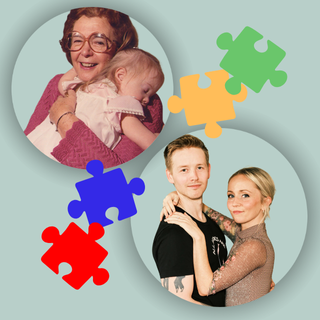
Dr. Gertrude A. Barber helped facilitate the first classrooms for children with disabilities in 1952. Married couple Martin Roosaare and Kate Flowers help create a welcoming environment for people with autism through their dance studio Azara Ballet.
Credit: Wall Street Journal


 All About Autism