
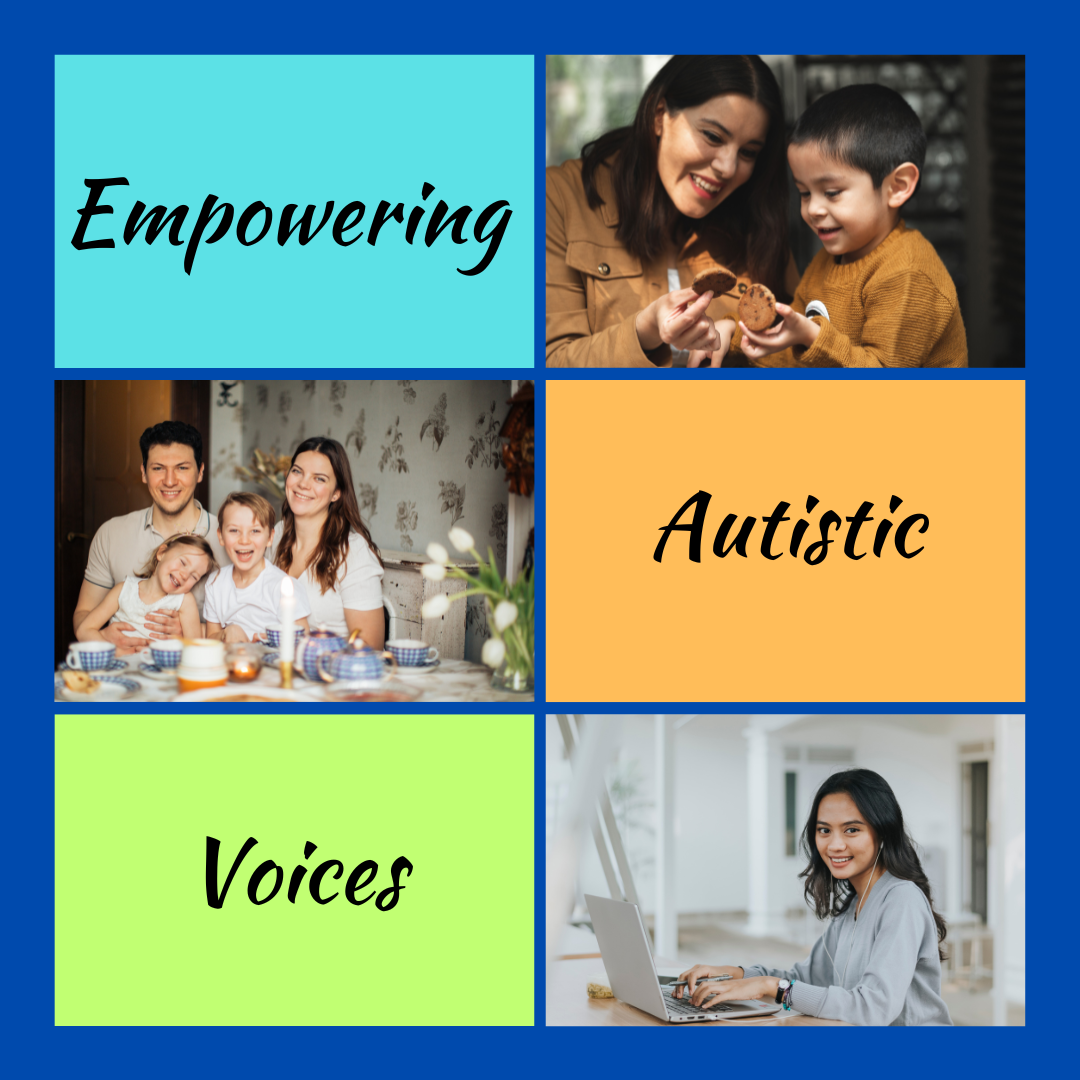
Yesterday was Autism Awareness Day, observed annually to spread awareness about autism and eliminate the stigma associated with the autism spectrum disorder. The theme of the 2024 World Autism Day is Empowering Autistic Voices. This theme aims to provide greater support and empowerment for individuals with autism and their families. It also helps celebrate the unique contributions of people with autism.
As we celebrate April is Autism month, we can look back and see how far we have come since it was first recognized as a distinct disorder in the 1940’ s. The 1950’s saw few if any services for children with autism. The Individuals with Disabilities Education Act (IDEA) was passed in 1975, but autism was not included as a distinct disability category. Autism began to be recognized as a disability by governments and organizations during the 1980’s. When the IDEA was reauthorized in 1990, for the first time, children with autism became eligible to receive special education services and accommodations in schools.
According to the Centers for Disease Control and Prevention (CDC), the prevalence of autism in the United States has risen from 1 in 150 children in 2000 to 1 in 36 children in 2023. There are several factors that may contribute to this increase, including increased awareness and improved diagnostic methods. Additionally, changes in diagnostic criteria and the inclusion of milder cases of autism spectrum disorder may also play a role. Early Intervention services are available for toddlers and preschool students diagnosed with autism, but we have seen decreases in the number of children identified since COVID. Yet, the earlier diagnosis allows for initiation of services and support which are critical at a young age. Looking at children 5-22 years of age, 14 percent of the public-school students are receiving special education and 12 percent of those students have an autism diagnosis.
What happens when you reach adulthood?
It is estimated that around half of adults with autism are employed. Of those, many have only part-time jobs or are doing work for which they’re overqualified. There are also many people working as volunteers or in programs outside the mainstream. Others are on waiting lists for adult day programs.
So, what can we expect, hopefully, as we look to the future?
- Earlier identification of children on the autism spectrum. Increased numbers of children under 5 years have been identified which allows for earlier intervention and treatment.
- Best practices in educating children with autism will be further established through research.
- Increased employment opportunities and adult day programs with higher reimbursement for services.
- Expansion of alternate living arrangements.
Together we must work to ensure that the theme of Autism 2024 becomes a reality.
As a parent of a child with autism, I truly believe that Erie, Pa. is the very best community in which to live because of the wealth of services and the acceptance that the community has for children and adults with autism and disabilities.


 All About Autism