
We have been discussing the negative impact of COVID on school aged students. A group that is often not discussed are children who were not yet three years of age, and who should have been entering preschool between 2019 and 2021. One might think that these children were so young. How could they experience the impact of COVID? However, we are now seeing that they certainly did. Some of these children would have attended preschool. Instead, they were at home with very limited opportunities for social interaction with their peers or adults who were not family members. Their parents or caregivers were losing their jobs, routines changed daily. Some of these children lost loved ones. All of the above factors certainly lead to stress for the child and his/her family.
New data suggests kindergarteners tested in 2023 had scores that placed them two percentage points less likely to begin school at grade level than peers tested in 2019. Math and reading levels are in decline among kindergarteners, which is concerning educators and researchers alike.
Beyond academic decline, we’re seeing an increase in behaviors among young students entering school. More students are requiring one-on-one attention to help mitigate behavioral challenges and help keep these students engaged and able to learn as effectively as possible.
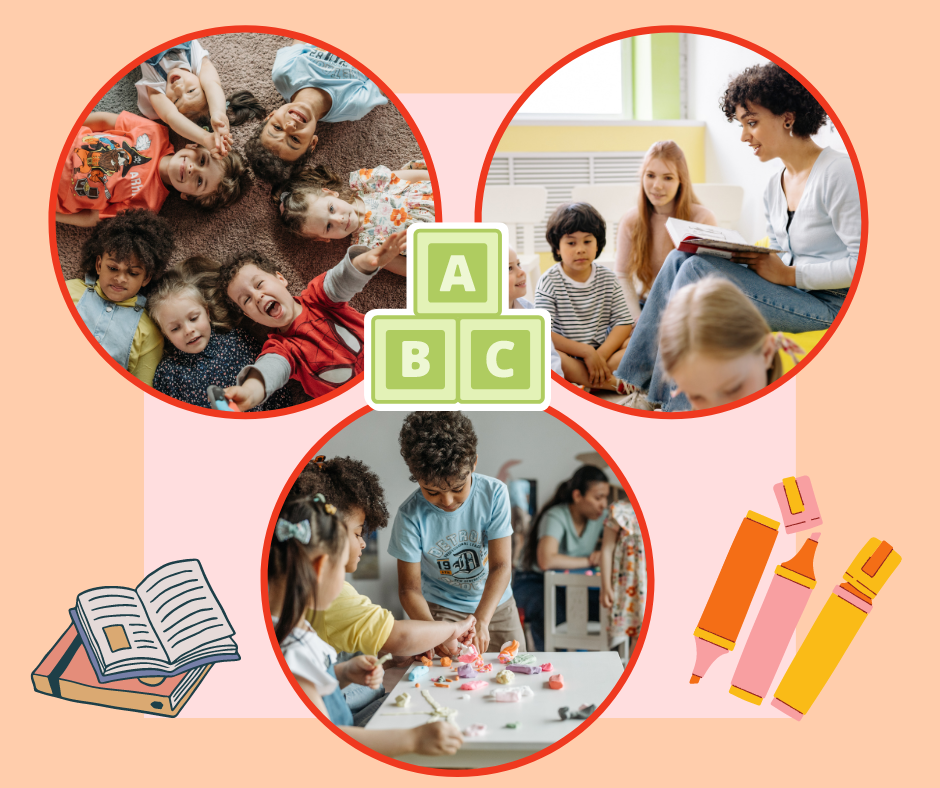
What have we experienced at the Elizabeth Lee School? First and foremost, many children come to us at five or six years of age and have never been to school. Yet, preschool is a critical stage in a child’s development, where they are introduced to a structured environment that fosters social and emotional growth. It provides children with a platform to learn how to interact with others. It is an environment where children learn to share, take turns, and cooperate with others. These skills are crucial for building positive relationships and are fundamental in developing social skills.
Preschool also teaches children how to solve problems and make decisions. Children learn how to think critically, analyze situations, and make sound decisions. This skill is essential in developing emotional intelligence, where children learn how to understand themselves and others better. Emotional intelligence helps them navigate social situations and make meaningful connections with others.
Furthermore, preschool helps children build confidence and self-esteem. Through play and exploration, they learn to trust their abilities and develop a sense of pride in their accomplishments. This helps to build resilience, which is a crucial aspect of emotional development
These are the challenges all of us are facing as we move forward in our attempts to provide a high-quality education for our young children.


 All About Autism